Hay un hecho que observamos desde el comienzo de las masacres en Gaza, el cual se ha venido profundizando y consolidando desde entonces: Israel ha perdido poder narrativo y adherentes en todo el mundo.
¿Cómo? ¿Por qué ahora? El mundo ha sido un espectador impotente pero masivo del genocidio perpetuado por Israel bajo la narrativa de su “derecho a defenderse” (de quienes resisten a su propia ocupación) luego del brutal y misterioso ataque de Hamas el 7 de octubre de 2023.
Estos brutales eventos han puesto el foco del mundo en Israel y en su historia, lo cual ha producido un fuerte revisionismo histórico y moral por parte de cientos de millones de personas alrededor del mundo.
Entre estos revisionismos han surgido preguntas sobre el cuestionamiento del presidente Kennedy al programa del régimen israelí y especulaciones sobre las trágicas consecuencias de su posición.
Ahora el National Security Archive desclasifica documentos que muchos esperaban. Lo que sigue es un resumen del histórico instituto de George Washington University, uno de los más prestigiosos del mundo y de los más valiosos en cuanto a fuentes primarias que los académicos y escritores solemos usar en distintos tipos de investigación.
Jorge Majfud, junio 2025.
La inteligencia estadounidense estimó que, para mediados de la década de 1960, Dimona podría producir suficiente plutonio para «una o dos armas al año».
Washington D. C., 2 de mayo de 2019 – Durante 1963, el presidente John F. Kennedy estuvo preocupado por asuntos como Vietnam, las negociaciones para la prohibición de los ensayos nucleares, las protestas por los derechos civiles y Cuba. Sin embargo, es menos conocido que una de sus principales preocupaciones era si Israel buscaba desarrollar armas nucleares, y con qué rapidez, y qué debía hacer Estados Unidos al respecto. A partir de abril de 1963, Kennedy insistió en que los líderes israelíes aceptaran inspecciones estadounidenses bianuales regulares, o en lenguaje diplomático, “visitas”, al complejo nuclear israelí en Dimona, en el desierto del Néguev. El primer ministro David Ben-Gurion y su sucesor, Levi Eshkol, intentaron evadir las inspecciones, pero Kennedy ejerció una presión sin precedentes, informándoles sin rodeos, en un tono casi ultimátum, que el compromiso y el apoyo de Washington a Israel podrían verse seriamente comprometidos si se creía que el gobierno estadounidense no podía obtener información fiable sobre el reactor de Dimona y las intenciones nucleares de Israel.
El intercambio completo de cartas y comunicaciones relacionadas entre Kennedy, Ben-Gurion y Eshkol, publicado hoy por primera vez por el Archivo de Seguridad Nacional, ilustra tanto la tenacidad de Kennedy como la reticencia de los líderes israelíes en el asunto de Dimona. Sorprendido por las firmes exigencias de Estados Unidos, Eshkol tardó siete semanas, con tensas consultas internas, en acceder a regañadientes. Retirándose de una crisis casi diplomática, ambas partes mantuvieron sus comunicaciones sobre Dimona con gran secretismo. La publicación hoy de documentos desclasificados del sistema de Archivos Nacionales de EE. UU., incluidas las bibliotecas presidenciales, ofrece una mirada tras bambalinas al proceso de toma de decisiones y revisión de inteligencia que orientó la presión de Kennedy sobre los primeros ministros israelíes durante 1963. Entre los documentos se encuentran:
La Estimación de Inteligencia Nacional 30-63, “El problema árabe-israelí”, de enero de 1963, que estimaba que si el reactor de Dimona “operaba a su máxima capacidad… podría producir suficiente plutonio para una o dos armas al año”. Esta Estimación de Inteligencia Nacional (NIE) fue desclasificada en 2017.
Una carta de un diplomático estadounidense en Tel Aviv que concluyó que la detección de una decisión israelí de iniciar un programa nuclear de emergencia de emergencia requeriría “una vigilancia bastante cuidadosa de las actividades de la docena de científicos de alto nivel”. Este documento fue desclasificado en 2018.
Un memorando del Departamento de Estado que apoya las inspecciones semestrales del reactor de Dimona para supervisar el uso de combustible nuclear. Sin las inspecciones estadounidenses, Israel podría descargar combustible gastado a intervalos de seis meses “para producir un máximo de combustible irradiado para su separación en plutonio apto para armas”.
La declaración de Kennedy al ministro de Asuntos Exteriores francés, Couve de Murville, de que el programa nuclear de Israel había puesto a ese país en una situación “estúpida” al dar “un pretexto a los rusos, que se están retirando de la región, para acusarnos ante la opinión pública mundial, y quizás con razón”.
Un memorando de conversación de agosto de 1963 en el que un diplomático británico informó sobre “nuevas señales inquietantes” del interés oficial israelí en las armas nucleares. Desclasificado en 2016.
El informe detallado de la inspección estadounidense de Dimona en enero de 1964, resultado de la presión de Kennedy sobre Ben-Gurion y Eshkol. Algunos de los documentos publicados hoy, como la correspondencia entre Kennedy, Ben Gurión y Eshkol, fueron desclasificados en archivos estadounidenses o israelíes durante la década de 1990, pero no han estado ampliamente disponibles. Otros, como se indicó anteriormente, fueron desclasificados en los últimos años. Además, la traducción al francés de la declaración de Kennedy en la reunión de Couve de Murville nunca antes se había traducido al inglés. Otros documentos relacionados con el enfrentamiento entre Ben Gurión y Kennedy permanecen clasificados en los Archivos Nacionales de Estados Unidos. Documentos importantes de la CIA y de la comunidad de inteligencia están siendo apelados o a la espera de su desclasificación.
Considerando la proliferación nuclear como un gran desafío para el poder estadounidense, John F. Kennedy creía firmemente que Estados Unidos debía usar su influencia para impedir que Israel desarrollara armas nucleares. El reactor de Dimona se había descubierto tan solo dos meses antes de que asumiera la presidencia en enero de 1961, y Kennedy ya estaba profundamente preocupado por las aspiraciones nucleares de Israel (para más detalles, véase “Kennedy, Dimona y el Problema de la Proliferación Nuclear: 1961-1962” en el Libro Informativo Electrónico del Archivo de Seguridad Nacional n.º 547). Estas primeras preocupaciones dieron lugar a la primera visita de inspección estadounidense a Dimona, a mediados de mayo de 1961, y a una posterior conversación cara a cara entre Kennedy y el primer ministro israelí, David Ben-Gurion, el 30 de mayo. La cuestión nuclear también se abordó en la reunión entre Kennedy y la ministra de Asuntos Exteriores israelí, Golda Meir, a finales de diciembre de 1962. Ben-Gurion aseguró explícitamente a Kennedy que el programa nuclear israelí tenía fines pacíficos, y Meir insistió en que Israel no estaba en vías de desarrollar armas nucleares. A principios de 1963, resurgieron las preocupaciones estadounidenses. En enero, Kennedy recibió una nueva Estimación Nacional de Inteligencia (ENI) que destacaba el potencial armamentístico de Dimona. Señalaba que era probable que el complejo de Dimona entrara en funcionamiento a finales de ese año. Según la ENI, una vez que Dimona operara a plena potencia, Israel podría estar en vías de producir suficiente plutonio para una o dos armas al año. Semanas después, a mediados de marzo, el director de la Oficina de Estimaciones Nacionales, Sherman Kent, firmó una estimación de inteligencia que señalaba las consecuencias negativas para Estados Unidos, tanto a nivel regional como global, de la adquisición israelí de armas nucleares. El 25 de marzo, Kennedy se reunió con el director de la CIA, John McCone, para hablar sobre el programa nuclear israelí y, poco después, solicitó al asesor de Seguridad Nacional, McGeorge Bundy, que reforzara la capacidad de recopilación de inteligencia estadounidense dirigida tanto al programa nuclear israelí como a los “programas de armas avanzadas” de Egipto. Al día siguiente, Bundy emitió el Memorando de Acción de Seguridad Nacional (NSAM) 231, una directiva formal dirigida a los departamentos de Estado, Defensa y la CIA para que estudiaran las “Capacidades Nucleares de Oriente Medio”. A principios de abril, Kennedy y sus asesores tradujeron sus preocupaciones sobre Dimona en una exigencia política discreta pero afirmativa: insistieron en que Israel aceptara inspecciones estadounidenses bianuales (o “visitas”, como se las denominaba en un lenguaje más diplomático) a Dimona. Inicialmente, Kennedy presionó mediante mensajes diplomáticos. El 2 de abril, el embajador en Israel, Walworth Barbour, presentó a Ben-Gurion la solicitud estadounidense de visitas semestrales; dos días después, el embajador israelí, Avraham Harman, fue citado al Departamento de Estado para un mensaje similar.
Se esperaba que Ben-Gurion respondiera a la solicitud de Kennedy sobre Dimona durante su siguiente reunión con Barbour, pero no estaba preparado para un enfrentamiento directo con un presidente estadounidense decidido. Tampoco estaba dispuesto a aceptar el objetivo de Kennedy de realizar visitas semestrales; eso habría hecho que Dimona dejara de ser la encarnación de la póliza de seguro existencial de Ben-Gurion. En cambio, intentó evitar una confrontación desviando la atención de Kennedy. El 17 de abril de 1963, surgió la oportunidad de hacerlo: Egipto, Siria e Irak firmaron la Proclamación de la Federación Árabe, que exigía una unión militar para lograr la liberación de Palestina. Esta retórica no era nueva en aquel entonces, pero Ben-Gurión la aprovechó para iniciar un intercambio con el presidente Kennedy sobre la difícil situación general de seguridad de Israel, evadiendo al mismo tiempo la solicitud específica de Kennedy sobre Dimona. No está claro si Ben-Gurión realmente consideraba la Proclamación de la Federación Árabe una amenaza existencial para Israel, pero justificó tácitamente los esfuerzos de Israel por crear una opción de último recurso sin el rechazo rotundo de la solicitud de Kennedy.
Considerando la proliferación nuclear como un gran desafío para el poder estadounidense, John F. Kennedy creía firmemente que Estados Unidos debía usar su influencia para impedir que Israel desarrollara armas nucleares. El reactor de Dimona se había descubierto tan solo dos meses antes de que asumiera la presidencia en enero de 1961, y Kennedy ya estaba profundamente preocupado por las aspiraciones nucleares de Israel (para más detalles, véase “Kennedy, Dimona y el Problema de la Proliferación Nuclear: 1961-1962” en el Libro Informativo Electrónico del Archivo de Seguridad Nacional n.º 547). Estas primeras preocupaciones dieron lugar a la primera visita de inspección estadounidense a Dimona, a mediados de mayo de 1961, y a una posterior conversación cara a cara entre Kennedy y el primer ministro israelí, David Ben-Gurion, el 30 de mayo. La cuestión nuclear también se abordó en la reunión entre Kennedy y la ministra de Asuntos Exteriores israelí, Golda Meir, a finales de diciembre de 1962. Ben-Gurion aseguró explícitamente a Kennedy que el programa nuclear israelí tenía fines pacíficos, y Meir insistió en que Israel no estaba en vías de desarrollar armas nucleares. A principios de 1963, resurgieron las preocupaciones estadounidenses. En enero, Kennedy recibió una nueva Estimación Nacional de Inteligencia (ENI) que destacaba el potencial armamentístico de Dimona. Señalaba que era probable que el complejo de Dimona entrara en funcionamiento a finales de ese año. Según la ENI, una vez que Dimona operara a plena potencia, Israel podría estar en vías de producir suficiente plutonio para una o dos armas al año. Semanas después, a mediados de marzo, el director de la Oficina de Estimaciones Nacionales, Sherman Kent, firmó una estimación de inteligencia que señalaba las consecuencias negativas para Estados Unidos, tanto a nivel regional como global, de la adquisición israelí de armas nucleares. El 25 de marzo, Kennedy se reunió con el director de la CIA, John McCone, para hablar sobre el programa nuclear israelí y, poco después, solicitó al asesor de Seguridad Nacional, McGeorge Bundy, que reforzara la capacidad de recopilación de inteligencia estadounidense dirigida tanto al programa nuclear israelí como a los “programas de armas avanzadas” de Egipto. Al día siguiente, Bundy emitió el Memorando de Acción de Seguridad Nacional (NSAM) 231, una directiva formal dirigida a los departamentos de Estado, Defensa y la CIA para que estudiaran las “Capacidades Nucleares de Oriente Medio”. A principios de abril, Kennedy y sus asesores tradujeron sus preocupaciones sobre Dimona en una exigencia política discreta pero afirmativa: insistieron en que Israel aceptara inspecciones estadounidenses bianuales (o “visitas”, como se las denominaba en un lenguaje más diplomático) a Dimona. Inicialmente, Kennedy presionó mediante mensajes diplomáticos. El 2 de abril, el embajador en Israel, Walworth Barbour, presentó a Ben-Gurion la solicitud estadounidense de visitas semestrales; dos días después, el embajador israelí, Avraham Harman, fue citado al Departamento de Estado para un mensaje similar.
Se esperaba que Ben-Gurion respondiera a la solicitud de Kennedy sobre Dimona durante su siguiente reunión con Barbour, pero no estaba preparado para un enfrentamiento directo con un presidente estadounidense decidido. Tampoco estaba dispuesto a aceptar el objetivo de Kennedy de realizar visitas semestrales; eso habría hecho que Dimona dejara de ser la encarnación de la póliza de seguro existencial de Ben-Gurion. En cambio, intentó evitar una confrontación desviando la atención de Kennedy. El 17 de abril de 1963, surgió la oportunidad de hacerlo: Egipto, Siria e Irak firmaron la Proclamación de la Federación Árabe, que exigía una unión militar para lograr la liberación de Palestina. Esta retórica no era nueva en aquel entonces, pero Ben-Gurión la aprovechó para iniciar un intercambio con el presidente Kennedy sobre la difícil situación general de seguridad de Israel, evadiendo al mismo tiempo la solicitud específica de Kennedy sobre Dimona. No está claro si Ben-Gurión realmente consideraba la Proclamación de la Federación Árabe una amenaza existencial para Israel, pero justificó tácitamente los esfuerzos de Israel por crear una opción de último recurso sin el rechazo rotundo de la solicitud de Kennedy. La atención de Ben-Gurión a la amenaza que representaba la Proclamación de la Federación Árabe, en comparación con la de Kennedy al peligro del proyecto nuclear israelí, generó un intercambio de cartas y mensajes orales notablemente discordantes entre ambos líderes a lo largo de la primavera de 1963. Ben-Gurión invocó el espectro de “otro Holocausto” e insistió en la necesidad de Israel de recibir garantías externas de seguridad. Sin embargo, tal acuerdo no estaba previsto, ya que Kennedy creía que una señal tan clara de favoritismo hacia Israel socavaría las relaciones de Estados Unidos con los países árabes.
Kennedy no cedió en el asunto de Dimona y estaba decidido a no permitir que Ben-Gurión cambiara la conversación. Desestimó la alarma del primer ministro sobre la Proclamación de la Federación Árabe, considerándola nada nuevo y prácticamente sin sentido, e insistió en que el verdadero peligro para la región era la introducción de sistemas ofensivos avanzados, especialmente armas nucleares. Para abordar esta preocupación, Kennedy estaba dispuesto a explorar un plan de control de armamentos que abarcara tanto a Israel como a Egipto. Era evidente, sin embargo, que su principal objetivo era detener el programa nuclear israelí.
En retrospectiva, este intercambio equivalió a una confrontación entre el presidente de Estados Unidos y los primeros ministros de Israel sobre el futuro del programa nuclear israelí. El punto álgido de dicha confrontación fue la carta de Kennedy del 15 de junio, que el embajador Barbour debía entregar a Ben-Gurión al día siguiente. La carta incluía condiciones técnicas detalladas bajo las cuales Kennedy insistía en que se realizaran las visitas bianuales de Estados Unidos. La carta era similar a un ultimátum: si el gobierno estadounidense no podía obtener “información fiable” sobre el estado del proyecto Dimona, el “compromiso y apoyo de Washington con Israel” podría verse “seriamente comprometido”. Pero la carta nunca fue entregada a Ben-Gurión porque ese día sorprendió a su país y al mundo al anunciar su renuncia.
El embajador Barbour, quien estaba preparado para entregar la carta, notificó al Departamento de Estado y solicitó instrucciones. Recomendó posponer la entrega hasta que se resolviera el problema del gabinete y luego dirigir la carta al siguiente primer ministro, recomendación que Kennedy y sus asesores siguieron.
El 5 de julio, menos de diez días después de que Levi Eshkol asumiera el cargo de primer ministro, Barbour le entregó una carta de tres páginas de Kennedy. Era prácticamente idéntica a la carta del 15 de junio a Ben-Gurion, acompañada de unas líneas de felicitación al nuevo líder. Desde el mensaje del presidente Dwight Eisenhower a Ben-Gurion, durante la crisis de Suez en noviembre de 1956, ningún presidente estadounidense había sido tan directo con un primer ministro israelí. Las exigencias específicas que se presentaron a Ben-Gurion sobre cómo debían llevarse a cabo las visitas de inspección estadounidenses a Dimona se mantuvieron textuales en la nueva carta. Muchos de los asesores de Eshkol interpretaron la carta como un verdadero ultimátum, una crisis en ciernes.
Sorprendido por las duras exigencias de Kennedy a Dimona a los pocos días de asumir el cargo, la primera respuesta de Eshkol fue solicitar más tiempo para consultas. Solo el 19 de agosto, más de seis semanas después de recibir la carta, Eshkol presentó una respuesta, a veces vaga. Bajo presión de Kennedy, Eshkol accedió a regañadientes, en principio, a permitir visitas regulares de científicos estadounidenses a Dimona. Sin embargo, no aceptó una visita anticipada y evitó comprometerse con las inspecciones bianuales estadounidenses que Kennedy solicitaba.
El enfrentamiento epistolar entre el presidente Kennedy y dos primeros ministros israelíes resultó en una serie de seis inspecciones anuales estadounidenses al complejo de Dimona (1964-1969), hasta que el presidente Richard Nixon las suspendió. (La primera inspección, en enero de 1964, pudo haberse retrasado debido al asesinato de Kennedy). Si bien Lyndon Johnson no estaba tan dispuesto a reprender a los israelíes, le preocupaba la proliferación nuclear y apoyó las inspecciones. Sin embargo, los israelíes lograron su avance en materia de armas nucleares durante la década de 1960 a pesar de las inspecciones, que evidentemente tuvieron poco impacto prohibitivo o disuasorio.
Un informe de inteligencia de 1960 afirmaba que el sitio nuclear israelí era para fabricar armas. “No somos un satélite de Estados Unidos”, fue la respuesta de Ben-Gurion a las preguntas de Estados Unidos sobre el reactor de Dimona. Ahora, se han dado a conocer los informes desclasificados sobre las inspecciones de Estados Unidos a Dimona de 1965, 1966 y 1967
Informe de inteligencia de 1967: ¿Israel estaba produciendo plutonio apto para armas y engañando a Estados Unidos?[1]
Washington, D.C., 17 de diciembre de 2024. Un informe del Comité Conjunto de Inteligencia de Energía Atómica (JAEIC) de diciembre de 1960, recientemente desclasificado, es el primer y único informe de inteligencia estadounidense conocido que afirma de manera correcta e inequívoca que el proyecto nuclear israelí Dimona, que Estados Unidos había descubierto recientemente, incluiía una planta de reprocesamiento para la producción de plutonio relacionado con armas. Todos los análisis de inteligencia estadounidenses posteriores conocidos del programa nuclear de Israel trataron la cuestión del reprocesamiento como no resuelta hasta finales de la década de 1960, cuando Estados Unidos e Israel llegaron a un acuerdo secreto para aceptar su condición de “Estado con armas nucleares no declaradas”.
El informe de inteligencia recién publicado por es uno de los 20 documentos desclasificados que aparecen en el Libro Informativo Electrónico del Archivo de Seguridad Nacional de George Washington University. Se trata del último de una serie de colecciones de documentos desclasificados editados por el analista principal del Archivo William Burr y el profesor Avner Cohen (Instituto Middlebury de Estudios Internacionales en Monterey) sobre la política estadounidense hacia el programa de armas nucleares israelí y los complejos problemas que planteó para la diplomacia estadounidense durante los años 1960 y 1970.
Un análisis de inteligencia estadounidense igualmente intrigante y desclasificado reveló que varias fuentes israelíes habían informado a la embajada estadounidense en febrero de 1967 que Israel “tiene o está a punto de completar” una planta de reprocesamiento en Dimona y que “el reactor de Dimona ha estado funcionando a plena capacidad”. La conclusión era que Israel estaba a “6-8 semanas” de la bomba. Este es el primer documento conocido que trata como posible que Israel estuviera engañando sistemáticamente a los Estados Unidos sobre Dimona.
Los documentos recién publicados pero fechados en la década de 1970 ilustran cómo el gobierno estadounidense se adaptó a la nueva realidad de las armas nucleares de Israel. Entre ellos se encuentra el texto del “documento no oficial” del Secretario de Estado norteamericano Cyrus Vance, entregado al embajador soviético Anatoly Dobrynin a principios de 1978, en el que se afirma que Estados Unidos “acepta las garantías [de Israel]” de que no posee armas nucleares y de que “no será el primero en introducir armas nucleares en Oriente Medio”.
Un informe de entonces, generado por el Departamento de Estado sobre los riesgos de proliferación nuclear, sugería por qué Washington había abandonado la presión sobre Israel para que firmara el Tratado de No Proliferación: “La alta prioridad de Estados Unidos de alcanzar un acuerdo de paz en la zona es primordial e inhibe a la búsqueda efectiva de los objetivos de no proliferación en Israel”.
Dios puso las bombas en nuestras manos
A principios de 1978, después de que la CIA publicara por error una estimación de inteligencia que afirmaba que Israel había producido armas nucleares, el embajador soviético Anatoly Dobrynin preguntó si era cierto que Israel poseía tales armas. Como respuesta, el secretario de Estado Cyrus Vance le entregó a Dobrynin un “documento no oficial” en el que afirmaba que Estados Unidos “acepta las garantías [de Israel]” de que no poseía armas nucleares y “no será el primero en introducir armas nucleares en Oriente Medio”. Otro documento de principios de 1978, un informe del Departamento de Estado sobre los riesgos de proliferación nuclear planteados por varios países (“la Docena Sucia”), indicaba por qué Washington había abandonado la presión sobre Israel para que firmara el Tratado de No Proliferación: “La alta prioridad de Estados Unidos de encontrar un acuerdo de paz en la zona es primordial e inhibe la búsqueda efectiva de los objetivos de no proliferación en Israel”.
Los documentos de esta publicación proceden de la Administración Nacional de Archivos y Registros de Estados Unidos (NARA) y fueron descubiertos entre los registros del Comité Conjunto de Energía Atómica (RG 128), la Comisión de Energía Atómica (RG 326), el Departamento de Estado (RG 59) y en la Biblioteca Presidencial Lyndon Johnson. Casi todos ellos son el resultado de solicitudes de Revisión de Desclasificación Obligatoria (MDR) o de solicitudes de Indexación a Demanda presentadas por el Archivo de Seguridad Nacional.
Nuevos documentos estadounidenses sobre el programa nuclear israelí William Burr y Avner Cohen, editores
Desde principios de los años 1960 hasta los años 1970, la actitud del gobierno estadounidense ante el programa de armas nucleares de Israel cambió notablemente. Durante los años 1960, las preocupaciones sobre la no proliferación y la estabilidad geopolítica en Oriente Medio alimentaron el temor de que Israel utilizara su reactor nuclear de Dimona para producir plutonio para la bomba. Un ejemplo de ello son los documentos recientemente desclasificados sobre las inspecciones de Dimona, en las que funcionarios del gobierno estadounidense buscaron indicios de producción de plutonio. En 1969, los documentos desclasificados indican que la no proliferación dio paso a un acuerdo secreto bilateral entre el presidente Richard Nixon y la primera ministra Golda Meir, en virtud del cual Washington se acomodó a la condición no declarada de Israel en materia de armas nucleares.
El informe de la AEC y otros documentos recientemente desclasificados de los registros del Comité Conjunto sobre Energía Atómica del Congreso ilustran cómo Washington empezó a descubrir la existencia del reactor de Dimona. En junio de 1960, funcionarios de la AEC visitaron Israel para inspeccionar el recién construido reactor de investigación Soreq que Washington había proporcionado en el marco del programa Átomos para la Paz. Todo estaba en orden: Israel cumplía plenamente con las salvaguardias. Sin embargo, una reunión con funcionarios estadounidenses en la embajada de Tel Aviv trajo noticias inesperadas: “informes de que un equipo conjunto israelí-francés estaba haciendo algo en el campo de la energía atómica en Beersheba o cerca de allí”. Los funcionarios de la AEC dijeron que no habían oído nada al respecto y que intentarían obtener más información de su personal de inteligencia en Washington. Este nuevo documento se relaciona con otro material sobre el descubrimiento de Dimona publicado en una publicación anterior en 2015.
Como se mencionó, uno de los nuevos documentos es un informe del Comité Conjunto de Inteligencia de Energía Atómica de diciembre de 1960. Sus declaraciones de que el proyecto nuclear franco-israelí en el desierto del Néguev incluiría una “planta de separación de plutonio” y que el reactor de Dimona estaba destinado inequívocamente a fines armamentísticos eran afirmaciones poco comunes. Hasta donde saben los editores, este es el primer y único documento de inteligencia estadounidense que sostiene de manera categórica y explícita que el sitio de Dimona incluiría una planta para separar el plutonio del combustible gastado del reactor con el fin de fabricar armas. Informes desclasificados posteriores trataron la planta de reprocesamiento como algo que aún no existía y dijeron que su construcción probablemente requeriría una nueva decisión política por parte de los líderes israelíes.
Otros documentos de archivo desclasificados sobre el descubrimiento del reactor de Dimona se centran en la reacción irritada del Primer Ministro David Ben Gurion ante las declaraciones y las indagaciones de la administración de Eisenhower sobre el reactor y los propósitos israelíes. Por ejemplo, los comentarios públicos del director de la Comisión de Energía Atómica, John McCone, en “Meet the Press” de que Israel no había informado a Washington sobre Dimona enfurecieron a Ben-Gurion, quien le dijo al embajador estadounidense Ogden Reid a principios de 1961 que “no lo merecíamos y no aceptaremos ese trato”, y agregó: “no somos un satélite de Estados Unidos… y nunca seremos un satélite”. El embajador Reid informó que había hablado con Ben-Gurion sobre el trabajo de inteligencia de los Estados Unidos en Israel y le dijo que “no había ningún espionaje en curso”. Reid repasó con Ben-Gurion los esfuerzos de la Embajada por establecer una “relación de trabajo” entre los dos países, pero señaló que Israel no había ayudado en nada al no “informarnos sobre el reactor, en particular a la luz de la asistencia económica que habíamos estado brindando”. [1]
Entre otros documentos nuevos se incluyen los informes detallados de las visitas de inspección de los Estados Unidos al reactor de Dimona en 1965 y 1966. Para evitar disputas con sus anfitriones, las inspecciones se denominaron “visitas”, pero fueron tan detalladas como los israelíes permitieron. Publicados por primera vez, los documentos ilustran la preocupación del gobierno de los Estados Unidos durante la década de 1960 de que el programa nuclear israelí fuera un riesgo de proliferación que hiciera necesario determinar si el reactor representaba un proyecto de armas nucleares, especialmente si había indicios de que los israelíes ya tenían o estaban tratando de construir una planta para convertir el combustible gastado del reactor en plutonio para armas.
El equipo de la AEC que inspeccionó el reactor de Dimona en 1966 fue lo suficientemente cauteloso como para señalar la posibilidad de un engaño israelí: “el equipo puede haber sido engañado deliberadamente, pero se cree que esto es poco probable”. El informe de inspección señaló las razones por las que el engaño era improbable, pero el equipo no se dio cuenta de que el engaño era, de hecho, continuo y sistemático. No sólo eso, en algún momento de 1966 Israel había comenzado a producir plutonio apto para armas y en vísperas de la Guerra de los Seis Días de 1967, como una cuestión de máxima emergencia, Israel reunió, por primera vez en su historia, dos o tres dispositivos nucleares. Esta preparación fue para una demostración en caso de que ocurriera el peor escenario posible. Fue entonces, a todos los efectos, que Israel había cruzado el umbral y se había convertido en un estado con capacidad nuclear.[2]
Otro documento clave desclasificado también muestra preocupaciones sobre la posibilidad de engaño en Dimona. Un informe de inteligencia del Departamento de Estado de marzo de 1967, suprimido en gran parte por la CIA, analizaba acusaciones sorprendentes hechas, aparentemente por fuentes israelíes, a la embajada de Estados Unidos en Tel Aviv, de que los israelíes habían instalado o estaban a punto de instalar una planta de reprocesamiento para producir plutonio en Dimona y habían estado operando el reactor de Dimona a alta capacidad para ese propósito. Los redactores del informe (al menos el texto que ha sido desclasificado) vieron claramente la nueva información como dramática, pero se mostraron reacios a sacar conclusiones firmes. En cambio, sugirieron que la próxima visita de la AEC a Dimona examinara de cerca el problema del reprocesamiento. Pero la inspección de abril de 1967 no arrojó nada nuevo.
Los documentos de la década de 1960 corresponden a un período en el que las preocupaciones por la no proliferación tuvieron un impacto significativo en la política estadounidense hacia Israel, aunque nunca llegaron al punto de un choque o confrontación abierta. Los israelíes reconocieron las aprensiones de los EE. UU., pero eso no les impediría avanzar en secreto en el desarrollo de una capacidad de armas nucleares, incluido el reprocesamiento secreto del combustible gastado. El Primer Ministro Levi Eshkol y otros altos funcionarios no estaban dispuestos a decirle a Washington que se estaban acercando al umbral nuclear, y mucho menos a dar un paso abierto en esa dirección, aunque la inteligencia estadounidense percibió que los israelíes estaban haciendo progresos.
Un grupo de documentos desclasificados de la administración Carter ilustraba el cambio de actitud que había dado el gobierno estadounidense durante la década de 1970. El presidente Richard Nixon dio baja prioridad al TNP y a las preocupaciones por la proliferación en general, pero alta prioridad a la libertad de acción de los socios de seguridad regionales. En consonancia con ello, en septiembre de 1969 Nixon se reunió personalmente con la primera ministra Golda Meir, en la que llegaron a un acuerdo altamente secreto según el cual Estados Unidos dejaría de ejercer presión sobre la cuestión nuclear, por ejemplo poniendo fin a las solicitudes de inspección de las instalaciones nucleares israelíes y de que Israel firmara el TNP.[3]
Aunque nunca ha surgido un registro directo de la reunión Meir-Nixon, se puede inferir que los dos líderes acordaron mantener en secreto el estatus de Israel en materia de armas nucleares. Israel no probaría armas nucleares ni declararía que las tenía. En cualquier declaración oficial sobre sus capacidades, utilizaría un lenguaje ambiguo o lo que Avner Cohen ha llamado “opaco”. Washington aceptaría y apoyaría las declaraciones de Israel de que no tenía armas nucleares y de que no sería el “primero en introducir armas nucleares” en la región. Esa redacción había sido la posición oficial israelí desde principios de los años 1960, cuando Ben-Gurion, Eshkol, Shimon Peres y otros altos funcionarios la formularon.[4]
El acuerdo Nixon-Meir sobrevivió a sus arquitectos. Según un relato, a petición del gobierno israelí en 1977, Henry Kissinger informó a Jimmy Carter sobre el acuerdo Nixon-Meir.[5] Si bien Kissinger se reunió y habló con el presidente Carter varias veces durante agosto de 1977, fue principalmente en relación con el Tratado del Canal de Panamá. Sin embargo, lo que es particularmente revelador es que Kissinger se reunió con el presidente Carter el 25 de enero de 1978. Después de una discusión privada de veinte minutos en la Oficina Oval, almorzaron con Rosalynn Carter.[6] La visita de Kissinger se produjo en vísperas de la cobertura mediática de una respuesta aparentemente errónea de la CIA a una solicitud de la FOIA por parte del Consejo de Defensa de los Recursos Naturales (NRDC). La Agencia desclasificó la mayoría de las principales conclusiones de la Estimación Especial de Inteligencia Nacional (SNIE) de 1974, “Perspectivas de una mayor proliferación de armas nucleares”. Una de las conclusiones fue que “Israel ya había producido armas nucleares”, o al menos había una “creencia” de que Israel lo había hecho.
La divulgación de la CIA aparentemente violó uno de los aspectos operativos del acuerdo Nixon-Meir: que Estados Unidos nunca reconocería en público la posesión de armas nucleares por parte de Israel. Las preguntas de los periodistas sobre el SNIE pueden haber animado a los diplomáticos israelíes a ponerse en contacto con Kissinger y pedir su intervención. Ciertamente, la prensa estadounidense y extranjera cubrió la divulgación de la FOIA, incluido el hecho de que había sido un “error” y que un funcionario de la CIA había temido que pudiera causar un “incidente internacional”. [7]
La cobertura de la prensa motivó a la Embajada de Estados Unidos en Israel a pedir instrucciones a Washington en caso de que los medios de comunicación hicieran preguntas. El Departamento de Estado brindó inmediatamente orientación resumiendo las “firmes” declaraciones del Gobierno de Israel de que “no será el primero en introducir armas nucleares en Oriente Medio” y las declaraciones del Primer Ministro Rabin en 1974 y 1975 de que “no tenemos armas nucleares” y que “Israel es un país no nuclear”. Según el Departamento, esas fueron “declaraciones autorizadas” y “no tenemos nada que agregar”. Esa orientación era consistente con el entendimiento Nixon-Meir, y la Embajada de Israel no se habría opuesto a ella.
Si Kissinger informó al Presidente Carter sobre el entendimiento Nixon-Meir, es difícil saber cuán decisivo fue. La administración Carter era consciente de que Israel tenía plena capacidad de armas nucleares [Véase el Documento 13], pero durante su primer año, mientras perseguía su agenda de no proliferación, evitó cuidadosamente cualquier presión sobre Israel. Sin embargo, cualquier informe de Kissinger sobre el acuerdo Nixon-Meir puede haber sido un recordatorio útil de la importancia del tema y del enfoque que los predecesores inmediatos de Carter habían adoptado respecto del programa nuclear de Israel.
En los días y semanas que siguieron a las noticias de la prensa, la administración Carter siguió los principios básicos del acuerdo Nixon-Meir al validar las negaciones israelíes de que poseía la bomba. Un caso de prueba puede haber sido la curiosidad expresada por un alto diplomático soviético sobre el documento poco después de que aparecieran las noticias de la prensa. El 21 de febrero de 1978, el embajador Anatoly Dobrynin entregó un «documento no oficial» al secretario de Estado Cyrus Vance en el que Moscú pedía a Estados Unidos que aclarara el asunto: «en qué medida son ciertos [sic] los informes… de que las agencias del gobierno de Estados Unidos llegaron a la conclusión de que Israel está en posesión de armas nucleares». Vance observó que los israelíes habían negado que poseyeran la bomba y que la CIA estaba dividida sobre el asunto, pero aceptó revisar el documento soviético.
Unas semanas después, cuando Dobrynin preguntó por la respuesta del Departamento de Estado a su pregunta, Vance fue un poco más allá de la posición habitual al reconocer que “nuestra comunidad de inteligencia estaba de acuerdo en que Israel tenía la capacidad de fabricar armas nucleares, [pero] estaba dividida sobre la cuestión de si ya lo había hecho”. En respuesta, Dobrynin dijo que “tenía ‘una opinión más alta de la gente de inteligencia de los EE. UU.’ de lo que implicaba la respuesta”, lo que sugería sus dudas sobre una “división”.
El 16 de marzo de 1978, Vance proporcionó a Dobrynin un documento oficioso que incluía una declaración de que “aceptamos las garantías israelíes de que no habían producido armas nucleares”. El Departamento también aceptó la garantía israelí de que “no serán los primeros en introducir armas nucleares en Oriente Medio”. Claramente escéptico, Dobrynin “cuestionó persistentemente si realmente creemos lo que dicen los israelíes”. Vance respondió que “no había evidencia de que las garantías israelíes fueran falsas”. En este ejemplo de diálogo entre gobiernos sobre el estatus nuclear de Israel, el Departamento de Estado mantuvo la postura israelí de opacidad nuclear. Esto plantea interrogantes sobre cuánta información –cuán precisa y detallada– tenía el propio gobierno de Estados Unidos sobre el programa nuclear israelí en ese momento.
El artículo concluye con un largo informe del Departamento de Estado sobre los países que generan preocupación en materia de proliferación nuclear, “La docena sucia” (en realidad once), que incluía una evaluación de las capacidades de armas nucleares de Israel y las cuestiones políticas y diplomáticas que planteaban. Si bien es probable que los autores del informe no conocieran el acuerdo Nixon-Meir, reconocieron que el programa nuclear de Israel estaba en una categoría especial que lo hacía inmune a las presiones diplomáticas habituales, sobre todo porque “la alta prioridad de Estados Unidos de encontrar un acuerdo de paz en la zona es primordial e inhibe la búsqueda efectiva de objetivos de no proliferación en Israel”.
Es necesario investigar más sobre qué sabía exactamente el gobierno de Estados Unidos y cuándo lo sabía sobre el programa de armas nucleares israelí y cómo los responsables de las políticas evaluaban cualquier nuevo conocimiento. Como sucede con cualquier asunto de política exterior especialmente sensible y controvertido, los registros sobre ese tema no son fáciles de desclasificar e invariablemente pasan por una prolongada revisión de seguridad. Algunas solicitudes tardan años en procesarse; los registros de la JCAE que se muestran en la publicación de hoy se solicitaron en 2012 y se publicaron en septiembre de 2024. Otras solicitudes relacionadas con las actividades nucleares de Israel fueron denegadas por completo y esperan un largo proceso de revisión de apelaciones. Importantes registros de archivo del Departamento de Estado de finales de la década de 1960 se encuentran en la cola de apelaciones del sobrecargado Panel de Apelaciones de Clasificación Interinstitucional (ISCAP) y es muy posible que el ISCAP nunca llegue a ellos debido a la falta de personal. También están estancados en el proceso de desclasificación y apelación los informes sobre las visitas a Dimona en 1967, 1968 y 1969.
También es muy relevante que parece haber una regulación secreta que advierte a los empleados actuales o anteriores del gobierno federal con medidas disciplinarias si divulgan información sobre las actividades de armas nucleares israelíes.[8] No está del todo claro hasta qué punto esta prohibición se relaciona con la desclasificación de material histórico de archivo, pero sin duda el Departamento de Defensa está decidido a plantear objeciones a la desclasificación de material incluso de hace 60 años o más relativo a la política estadounidense y al estado de conocimiento sobre el programa nuclear israelí. Según la actual orden ejecutiva sobre información clasificada de seguridad nacional, el Pentágono tiene libertad de acción para hacerlo; todavía está por ver si eso cambiará en el futuro previsible.
National Archives, Record Group 128, Joint Congressional Committees (RG 128), Records of the Joint Committee on Atomic Energy, Subject Files, Box 16, Foreign Activities- Israel 1957-1976
Before the discovery of the secret nuclear reactor at Dimona during November-December 1960, the Atomic Energy Commission had provided Israel with a small five-megawatt research reactor under the “Atoms for Peace Program,” with fuel provided by the AEC. Located at the Soreq Nuclear Research Center formerly referred to as Nabi Rubin site, some fifteen miles south of Tel Aviv the recently constructed reactor (designed by Philip Johnson and inaugurated in June 1960) was subject to inspection under an Agreement for Cooperation between the AEC and the Israeli Atomic Energy Commission.
For the first inspection of this reactor, AEC officials John J. Downing and James H. Herring visited the site on 9 June 1960. Their report concluded that the operations of the reactor and the use of U.S. fuel were in “accordance with safeguards provisions.” Discussion at the embassy a few days later indicated that the reactor could produce only miniscule amounts of plutonium, 5 grams per day, and most likely far less. Under the inspection requirements there was “no risk of material diversion except for the production of isotopes for radiological warfare.”
Two days after the inspection, the AEC team met with U.S. diplomats at the U.S. Embassy in Tel Aviv, where there was vocal support for two inspections per year, the maximum permitted. The discussion quickly shifted to Israel and nuclear weapons. Perhaps not wholly appreciative or supportive of the Eisenhower administration’s developing concern about nuclear proliferation, Embassy officials focused on Israel’s security needs. With Israel surrounded by hostile states, “maximum effect” weapons were the “most effective means of self-protection.” Either Israel could build nuclear weapons, or France could supply them.
France may have been mentioned because embassy officials had heard “reports of a joint Israeli-French team doing something in atomic energy in or near Beersheba.” The AEC officials knew nothing about that and wanted to learn more. The discussion concluded with an understanding that, with “new separation techniques” (used for producing plutonium), Israel could “become a nuclear power.” Yet, keeping a nuclear weapons program a secret “would be difficult … in so small a country.”
When AEC General Manager Luedecke subsequently provided, six months later, reports of the inspection and the embassy meeting to the Joint Committee on Atomic Energy, he observed that the discussion at the Embassy of French-Israeli atomic activities was in the nature of “rumor type reports” that had circulated during 1960. According to Luedecke, when the CIA’s Herbert Scoville testified to the JCAE on Israeli nuclear activities in December 1960, he had mentioned such reports.[9]
RG 128, Records of the Joint Committee on Atomic Energy, Subject Files, Box 16, Foreign Activities- Israel 1957-1976
This recently declassified intelligence report, shared in December 1960 with Congress’s Joint Committee on Atomic Energy, used newly acquired information to go far beyond the earlier rumors by confirming not only the joint French-Israeli construction of a large reactor in a site near Beersheba but also by noting that the joint project would include a “plutonium separation plant.” We believe this is the first – and possibly the only – U.S. intelligence document that unequivocally and explicitly declared that the French-Israeli joint nuclear project included those two major components: a production reactor and a plutonium separation plant.
All subsequent U.S. intelligence estimates treated the issue of a separation plant as an unresolved matter of concern, most often taking the view that it did not yet exist, and that its construction most likely would require a new political decision. Yet the Committee did not explain how it reached the judgement that Dimona would include a separation plant. In any event, by positing the construction of a separation plant, the report assumed that the reactor’s purpose was weapons production, not research.
The Committee estimated that the power of the reactor was about 200 MW (thermal), which is almost 10 times larger than the declared nominal power, 24 MW. Tracing the construction of the site to 1959, it estimated that the reactor would be operational by mid-1961. The latter date was an overestimate, by far, as the document forecasts that, by mid-1962, Dimona could produce about 30 kilograms of weapons grade plutonium, given they conduct their first weapons test by late 1962 or early 1963. It also speculated that the French could provide a test site but that if they provided weapons designs no tests would be necessary. According to the report, the French and Israelis would be making a statement in a few days.
National Archives, Record Group 326, Records of Atomic Energy Commission, John McCone Records, box 90, Israel
This AEC intelligence report was far less categorical than the JAEIC had been about the purposes of the French-Israeli project, but when the Commission’s analysts considered various interpretations they believed that the “secrecy surrounding the project suggested that the complex was intended for the production of weapons-grade plutonium, whether or not generation of electric power is involved.” One of the interpretations, that the purpose was a research reactor with little capacity to produce plutonium, they deemed “incompatible with the security of the site and the large scale of the entire project, and particularly the large size of the dome-shaped containment building.”
At that point, the AEC’s analysts were not sure what type of French reactor Dimona was modeled after and their report listed four different reactor types and their potential to produce plutonium, including the Marcoule and the EL-3 models. Some months later, however, Dimona plant director Mannes Pratt told the AEC officials examining the reactor in May 1961 that it was “very much influenced by the French EL-3 model.”[10] Whatever French model was relevant, AEC intelligence, unlike the JAEIC, did not specify that a reprocessing plant would be part of the Dimona complex, although the weapons grade plutonium interpretation would require the availability of one.
National Archives, Record Group 326, Records of Atomic Energy Commission, Records of John McCone, Box 90, Israel
The JCAE hearing on 9 December 1960 that AEC General Manager Luedecke mentioned had its contentious moments. The hearing record remains classified, but this heavily excised account provides a little of the flavor. The testimony by the State Department’s Phillip Farley conveyed the gravity of the concerns about Dimona: that the “security of the United States” was involved and that the reactor’s existence had produced “needless suspicion and risk.”
Senator John Pastore (D-RI) “showed agitation” that the U.S. had been “‘snooping around’ [excised] our supposed friends” and said that as soon as it had the earliest evidence it should have “confronted Israel directly.” By contrast, Senator Albert Gore, Sr. (D-TN) “defended the subterfuge.” Both, “for different reasons,” blamed the CIA and the State Department “for tardy action.” Committee members were generally concerned that, if the existence of Dimona leaked out, the U.S. “would be blamed because of its close economic ties” with Israel. In particular, they did not want it to become general knowledge that the U.S. government had known about Dimona “before it was public.”
Despite those concerns, on 18 December 1960, AEC Chair John McCone appeared on “Meet the Press,” where he disclosed that the U.S. had “informal and unofficial” information about the reactor, acknowledged that it came as a “surprise” to the U.S., and said that Washington was seeking more information from Israel. Those statements incensed Ben-Gurion (See Document 5).
On 21 December 1960, Ben-Gurion made a statement to the Knesset acknowledging the reactor and declaring that its purpose was research for peaceful purposes. He did not mention the French connection. For the Eisenhower administration, this was not enough; top State Department officials found Ben-Gurion to be “evasive” in answering questions about plutonium and access to Dimona by U.S. scientists, and for his “failure to confide” with President Eisenhower. Seeking more candor, Under Secretary of State Douglas Dillon sent the Embassy in Tel Aviv, on 31 December 1960, specific questions to pose to the Israeli leadership – either Prime Minister Ben Gurion or Foreign Minister Meir – about the reactor, safeguards, and visits by “qualified scientists from the IAEA or other friendly quarters.”
As part of the follow-up to the Department’s request, on 4 January 1961, Ambassador Reid was summoned to Sde Boker (Ben Gurion’s Negev’s residence) and had a lengthy discussion with the Prime Minister, which he reported in a detailed five-part “eyes only” message. Ben-Gurion was plainly aggravated by the publicity given to the Dimona reactor and the detailed questions about Israel’s purposes, especially the demand for a categorical statement that Israel “has no plans for producing nuclear weapons.” Ben-Gurion said his answer was a “categorical yes,” that Israel had no such plans. He went on to discuss at length what he thought was the “greatness” of the United States, for example, as a “refuge for tens of millions of people of Europe,” for its war against slavery, and its early recognition of the State of Israel. But then he went on to say that “we are equals of America in terms of moral respect.” Soon, “drawing himself up in his chair,” he said, “We didn’t deserve it and we will not accept such treatment.”
That was Ben Gurion’s irate and emotional response to the way that the Eisenhower administration had handled the Dimona issue. What especially rankled him was AEC Director John McCone’s statements on “Meet the Press” on 18 December 1960 that Dimona was a “surprise” to the U.S. and that Washington had asked Israel for more information. Evidently, Ben-Gurion did not think that such matters should be public, especially after his subsequent statement to the Knesset, on 21 December, which was as “trustworthy as any made by the highest [U.S.] officials.” Suggesting that U.S. officials should not raise doubts about Israel’s purposes, he declared that, “We are not a satellite of America… and will never be a satellite.” Later he observed that McCone’s comments had contributed to the “deterioration of the atmosphere in the Middle East” by increasing concern about Dimona, noting that, “If [Egyptian leader] Nasser wins, every Jew will be exterminated in this country.”
When the discussion turned to safeguards about plutonium produced from the reactor and possibilities for inspection, Ben-Gurion said, “I refuse” because he did not want Soviet inspectors as “part of an international body,” referring to the IAEA. Yet, when Reid asked why Dimona could not have inspections when Israel had accepted them for the Soreq research reactor, he could not get straightforward answers from Ben-Gurion, who wanted to avoid acknowledging that he wanted freedom of action for Israel to use Dimona as it saw fit. Ben-Gurion allowed that “access” by a “friendly” power could be possible under some conditions, for example, if McCone made no further statements.
Reid and Ben-Gurion discussed the “spying question.” Ben Gurion was the one who raised the issue and asked whether the U-2 flew over Dimona. Reid responded that he had never been “officially informed” about U-2 flights and that the only photographs of Dimona he knew about were taken from the roadside. While taking “full responsibility” for the activities of the CIA and military attaches, Reid assured Ben-Gurion that “there was no spying going on.”
Noting the Embassy’s efforts to establish a “working relationship” between the two countries, Reid said that Israel had not helped matters by failing to “inform us of the reactor—particularly in light of the economic assistance we had been providing.” Reid believed that point, among others that he made, “registered” with the Prime Minister. After noting the severe impact of cabinet crises and the related Lavon Affair on Ben-Gurion, Reid believed that the conversation had “largely” helped clear the air, although Washington would want more information in response to its questions about the Israeli nuclear project.
II. Inspections during the Mid-1960s and Proliferation Concerns
RG 128, Records of the Joint Committee on Atomic Energy, Subject Files, Box 16, Foreign Activities- Israel 1957-1976
As detailed in previous postings, U.S. concern about Dimona and the risk it posed to nonproliferation policy persisted during the Kennedy administration. Under nagging pressure for months from President John F. Kennedy, Ben-Gurion finally agreed to the first U.S. visit to the Dimona site in May 1961. Then, after an improvised and unsatisfactory visit in September 1962, President Kennedy resumed his pressure in the spring and summer of 1963 for an arrangement involving regular visits, to which Ben-Gurion (and subsequently his successor Levi Eshkol) reluctantly assented in August 1963. The first of those visits took place on 18 January 1964 under president Lyndon Johnson, and the full report on the visit was published for the first time in a previous posting. While President Johnson shared President Kennedy’s concern about nuclear proliferation, he was certainly not as persistent and demanding with the Israelis as his predecessor had been.
The 1965 Dimona visit was the second of those annual visits. Its arrangement involved as many diplomatic complications as the earlier ones. Prime Minister Eshkol delayed the visit, and the Israelis imposed restrictions on its length. The fundamental findings of the 1965 visit are outlined in a previously released short summary made available to the State Department and the White House. The full 30-page report by the 1965 U.S. team – Ulysses Staebler with the AEC, Clyde McClelland with the Arms Control and Disarmament Agency, and Floyd L, Culler with Oak Ridge Laboratory – is even more interesting, in part because of its detailed coverage of the limited capacities the Israelis presented to the visitors in the areas of reprocessing and plutonium. The construction, apparently completed during this period, of a large underground reprocessing facility at Dimona was the big secret of Dimona that the Israelis had successfully concealed. As noted, State Department and CIA officials recognized that an Israeli bomb was possible only if spent reactor fuel could be chemically processed into plutonium. Trying to identify such a facility was high on the U.S. agenda, but U.S. officials had no idea that the secret 1957 French-Israeli agreement for the Dimona nuclear package had provided for a reprocessing plant that the French constructed and the Israelis completed in a secret underground structure. [11]
Hosted by Professor Igal Talmi, a prominent nuclear physicist at the Weizmann Institute, the January 1965 visit was rushed; it lasted only one day, a little less than 11 hours. The Israelis would not agree to provide more time, let alone an additional day. Nevertheless the team members believed that they had seen enough to draw reliable conclusions. Among the main findings of the report (also included in the summary and in Howard Brown’s cover letter) was that even though they thought there was “no near term possibility of a weapons development program,” the reactor “has excellent development and production capability and potential that warrants “continued surveillance at intervals not to exceed one year.” Among the points consistent with such “potential” was that the amount of uranium onsite was enough to “produce on the order of 10 to 30 Kgs of plutonium after 1 1/2 to 2 1/2 years of irradiation, depending upon the irradiation level desired for the plutonium.” In their assessment, a chemical separation plant to produce the plutonium “could be constructed …. within perhaps two years as an internal modification within an existing building.”
As long as Dimona remained a “secret facility,” the team recommended that future visits try to establish, for example “whether the reactor operating schedule is indicative of ‘weapons grade’ plutonium production” and to find “any evidence of the construction of a chemical separations plant.” Another sign of weapons potential became evident from the visit to the small plutonium hot cells laboratory, which included three rooms “equipped for work with dangerous alpha-active substances such as plutonium.” The lab was then working with 56 grams of the 150 grams of plutonium received from the French for research purposes. According to the report, the “plutonium facilities are very complete and are suitable for an extensive research or small production program.” While the glove box equipment needed for safe operations is “relatively small scale …. it would be possible ….to equip the [glove] boxes with equipment suitable for the fabrication of the plutonium components required for a nuclear weapon.”
In connection with the plutonium issue, the team visited the “ventilation, filtration, decontamination building” where a pilot plutonium separation plant “was to have been constructed.” But Director Mannes Pratt said that he doubted that “it will ever be constructed,” and the team found no evidence “that the radiochemical processing pilot plant does exist … or is planned.” Thus, the Israelis maintained the narrative that despite their initial plans reprocessing capability did not exist.
An important issue was how Israel would handle the first reactor core that had been irradiated and removed. According to Pratt, the core would be returned to France for chemical processing, but that issue had not yet received “detailed consideration.” He did not make clear exactly what would happen with the core and responded to a “direct question about the disposal of the plutonium recovered from the Israeli fuel” only by stating that it “was a question of policy.” According to Pratt, the French could continue to supply small quantities of plutonium for research purposes under the same conditions that they had supplied the 150 grams, but those conditions were not explained. When a team member “mentioned that a four-year cooling period would reduce transportation costs, Mr. Pratt acknowledged that [Dimona lacked] facilities for such long cooling times” and he “worried about the consequences of an air attack” if irradiated material was onsite.
The uranium metal production facility that produced material used in the fuel elements was part of the visit, but the U.S. team was informed that the plant had been shut down because of a shortage of uranium supplies. At that point, one of the team members asked about Israeli procurement of uranium concentrate from foreign sources. While the team did not mention uranium from Argentina, it is what they had in mind when the issue was raised. The Israelis, however, refused to discuss “foreign sources” declaring that it was “outside the scope of this visit.”
Before the U.S. team arrived at Dimona, it lodged at the Desert Inn Hotel in Beer Sheba. There, as it turned out, Harvard Professor Henry Kissinger, previously an adviser to the Kennedy White House, was also staying (apparently meeting Israelis connected to the nuclear project). That caused some consternation until it was determined that none of the team members were acquainted with him. A few days later, Kissinger met with U.S. diplomats in Tel Aviv and during that meeting said that the Israelis had “embarked on a nuclear weapons construction program.”
RG 128, Records of the Joint Committee on Atomic Energy, Subject Files, Box 16, Foreign Activities- Israel 1957-1976
When Howard Brown sent the report of the April 1966 visit to Dimona, his cover letter considered two possibilities about the reactor’s actual operations. One was the “bare possibility that the reactor may have operated to produce about 3 kilograms of plutonium since the time of the last visit in January 1965.” But the other possibility, indeed what the team saw as the overall “most probable conclusion” was “that the reactor was operating as a research reactor,” since there was “no evidence of any nuclear weapons research and development work being conducted at the Dimona site.”
The 17-page report did not name the team’s three members, but from other documents we know it consisted of W. Kelly Woods, a General Electric employee at the AEC Hanford works in Richland, WA; Donald E. Erb, with the Division of Reactor Development and Technology at the AEC’s Headquarters, and Floyd L. Culler, the Oak Ridge scientist who participated in the 1965 visit to Dimona.[12]
Professor Amos De-Shalit, a prominent nuclear physicist at the Weizmann Institute for Science where he was also the Scientific Director, served as the visit’s host on behalf of the Prime Minister. Before Dimona was constructed, De-Shalit had been a critic of Israel’s pursuit of nuclear weapons. During the course of the visit, De-Shalit told a team member – believed to be Floyd Culler – that the Israeli government had “long recognized that it cannot develop weapons to the displeasure of either US Jews who contribute heavily to Israel’s support or, more particularly, the US Government.”[13] From the report. it is impossible to assess whether De-Shalit made this remark as a personal opinion or as a factual claim. That concern, along with Nasser’s threating statements about Dimona at that time, may have contributed to Prime Minister Eshkol’s cautiousness on Dimona during this period.[14]
It was not for want of looking that the 1966 U.S. team found no evidence that “Israel is or intends to produce nuclear weapons in the facilities which we have seen” (emphasis in the original). To support that conclusion it cited several considerations, including the apparent absence of a reprocessing facility at the Dimona site, the lack of a “capability in installed equipment for producing PU [plutonium] metal in any appreciable quantity,” the fact that the irradiation objectives at Dimona “will not produce PU that is particularly useful for nuclear weapons,” and that the “reactor has not been pushed to … full power operation at its design power of 26 MWT with any urgency.” Moreover, the past presence of French technicians, although in lessening numbers “mitigates against diversion or deviation from the patterns which we have observed.” There also was no evidence that diversion of the uranium inventory at Dimona had occurred. Some of those considerations were not as conclusive as the team may have assumed; for example, because the French were in on the secret of the underground reprocessing plant, the U.S. team was too sanguine in assuming that their presence acted as a check on Israeli weapons goals.[15]
The 1966 report prudently acknowledged the “possibility that the team may have been deliberately deceived,” but added that the team “believed that this is unlikely.” Now we know that Israel concealed the existence of its underground super-secret reprocessing plant and that plutonium production trials started in 1966. In retrospect, it is well understood that the U.S. visits at Dimona necessitated a systematic effort to deceive U.S. inspectors by concealing major operations, most prominently the reprocessing plant and the reactor’s actual power level.[16] One also wonders whether the official host on behalf of Prime Minister Eshkol, Professor Amos De Shalit, was fully aware of Dimona’s big secret, the underground reprocessing plant. We do not know.
In considering a theoretical possibility of deception, the report made several points. One was that the team could not affirmatively rule out whether there was a reprocessing plant in site or even another reactor elsewhere in Israel.[17] Thus, U.S. intelligence needed to “maintain a constant surveillance of the country to determine whether such a plant or plants exists or are being built.” Also relevant was the need to determine “as conclusively as possible” the disposition or shipment of the irradiated fuel discharged from the reactor” to ensure that it was not used for plutonium production.
Another concern about the possibility of deception was that nothing could be learned about the 80 or more tons of uranium from Argentina and how Israel was using it.[18] When asked about the uranium, Dimona’s new director, Joseph Tulipman said he “knows nothing and acted as though it was the first time he had heard of it when asked.” In its report, the U.S team correctly pointed to the risk that it “could be a supply of uranium that has been or could in the future be run through the reactor between our visits and not be detected so long as the indicated reactor utilization is low.” Israel would be doing something very much like that in its efforts to acquire weapons-grade plutonium during this period.
Besides the central question of whether the Israelis were using Dimona for weapons production purposes, the report covered a visit to the Soreq research reactor, the possibility of inspection by the IAEA or other international organizations, and the intense concern for secrecy about Dimona. A major worry was that the reactor’s vulnerability made the Israelis “very concerned about a possible leak to the media which again might draw Nasser’s attention to the reactor.” According to De-Shalit, “Israelis fear there may be an unannounced large strike at Dimona.” Those concerns made them so apprehensive about the security of the irradiated fuel from bombing that they wanted to ship the fuel elements to France as soon as the French were ready for them to do so. The team asked De-Shalit if the U.S. could observe the loading of the fuel, and he agreed to look into it.
De-Shalit believed that “open inspection” of Dimona would be to Israel’s advantage, but it could not be by the IAEA because any information its inspectors obtained would become available to Arab countries. Suggesting that the visits to Dimona by U.S experts were too “unstable” with their “potential for embarrassing both parties,” De-Shalit proposed inspections by EURATOM or NATO as an alternative. Once again, one cannot but wonder whether De-Shalit was fully aware of Dimona’s big secrets.
RG 59, Bureau of Near Eastern and South Asian Affairs. Office of the Country Director for Israel and Arab-Israeli Affairs. Records Relating to Israel, 1964-1966, box 8, Israel Nuclear Dimona 1967 (also in DNSA)
Just less than a year after the 1966 inspection, the State Department was considering the possibility that Israel had begun to reprocess spent fuel from the Dimona reactor. In early February 1967, U.S. Ambassador to Israel Walworth Barbour sent an airgram, not yet declassified, discussing allegations made by two local sources suggesting, according to Secretary of State Dean Rusk, that “Israel could be much closer to nuclear weapons capability than we had supposed.” Around the same time, Director of the Office of Near Eastern Affairs Rodger P. Davies wrote that, “Some recent intelligence reports suggest that Israel may be constructing a chemical separation facility and proceeding so far in the production of bomb components that assembly of a nuclear weapon could be completed in 6-8 weeks.”[19]
Secretary of State Dean Rusk wanted intelligence offices to assess these startling claims, and one result was a memorandum that Thomas Hughes, director of the Bureau of Intelligence and Research (INR), sent to Davies. The CIA excised large portions of the document, but enough information was left to see the major points. Drawing on statements made by several secret sources, at least one of which may have been a member of the Committee for Nuclear Disarmament (better known as the Committee for Denuclearization of the Middle East)[20], Hughes stated that the conclusions from the 1966 inspection visit about the lack of a reprocessing plant were not necessarily valid because the Israelis “have had enough time to install separation facilities.”[21] INR’s analysts did not consider the possibility that Israel had a secret reprocessing plant at Dimona that had been operating for several years; they characterized the facility as a “relatively small plant” that was probably installed after the last visit and that could “handle perhaps 100 KG per day of spent fuel, sufficient to process material for one or two nuclear bombs a year.”
Hughes discussed how that could happen. If the reactor “were run at full power and the fuel elements were changed frequently, maximum output of weapons grade plutonium would result.” In that scenario, the “missing 80 tons of uranium concentrate reported purchased from Argentina” is very significant because it would give the Israelis the ability to use the reactor that way with a “reasonable chance of not having this detected.” Also relevant to plutonium production was that the “reactor can and has been operated at various power levels, short of full capacity, and that weapons grade plutonium can be extracted at these levels over a period of time.” Hughes’ interpretation strongly suggested that Israel had been conducting a deception operation at Dimona, but he did not draw that conclusion.
Hughes doubted the source’s claim that Israel could produce a weapon in six to eight weeks, but he allowed the possibility that the French “might be willing to test an Israeli device or that Israel on its own might assemble and stockpile a small number of untested devices.” For Hughes, the next U.S. inspection of Dimona was critically important to help resolve the question of reprocessing capability. Moreover, Hughes recommended “cultivating” the Israeli sources to obtain more details.
Lyndon B. Johnson Presidential Library, National Security File, Files of Harold Saunders, box 20, Israel – Nuclear – Dimona – Desalting, 1/1/67 – 2/29/68
The full report for the 1967 visit by U.S. inspectors is not available, but this 11-page declassified “preliminary” summary and the conclusions indicated that U.S. inspectors were categorically told that Dimona lacked a reprocessing facility and that Israel had no intention to build one at the Dimona site. While the inspecting team accepted the Israeli denial of a reprocessing plant and their overall presentation of Dimona as a “research center,” the U.S. team noted that as long of tons of irradiated fuel “remains in Israel, the risk of diversion is present.”
Questions and comments handwritten on the back of the report, possibly by National Security Council staffer Harold Saunders, indicated serious concerns about Dimona. For example, could Dimona «be completely divorced from military program?» «What are chances of cheating»? «What questions about Israel’s overall nuclear capability are left unanswered?» «Do your findings mean there can be no other plutonium in Israel?» «If fuel not shipped to France in a year, should worry.»
Those were the right problems to worry about, but the comment in the report about “risk of diversion” was beside the point because only six weeks later, on the eve of the June 1967 Six Day War, Israel assembled two or three nuclear implosion devices for the first time using plutonium cores produced secretly at Dimona.[22] This unprecedented “operational alert” was designed for the “most extreme scenario,” where Israel’s existence might be in extreme danger; under that circumstance, a nuclear device could be exploded in the eastern Sinai to demonstrate a capability.[23] That move was utterly secret and, as far as can be known, undetected by other powers, although U.S. intelligence agencies were becoming aware of Israel’s developing nuclear capabilities. But the reason for the nuclear contingency plan deployment, as a deterrent for the worst-case situation, was Israel’s basic justification for possessing the weapons.[24]
III. Continuing Secrecy With Press Stories About Israeli Nuclear Weapons Capabilities
RG 128, Records of the Joint Committee on Atomic Energy, Subject Files, Box 16, Foreign Activities- Israel 1957-1976
When a JCAE official wrote this memorandum, Richard Nixon was becoming U.S. president. Downplaying proliferation concerns generally, in less than a year Nixon took a new approach to important regional ally Israel by accepting Prime Minister Golda Meir’s assurances that Israel would keep its nuclear status ambiguous and unacknowledged while the U.S. would end pressures for inspection at Dimona and NPT commitments.[25]
What motivated the writing of this heavily excised memorandum were recent news stories that Israel “already had … or would shortly have a number of nuclear weapons.”[26] On 8 January 1969, NBC news reported that, two years earlier, Israel had begun a “crash program” to produce the weapons. Both U.S. and Israeli sources denied or “discounted” the reports. In point of fact, they were correct in spirit because, as already noted, Israel had assembled several devices on the brink of the Six Day War.[27]
To check out the story, JCAE staffer Murphy asked the CIA whether there had been an Israeli “breakthrough” in the nuclear weapons field. The CIA withheld the rest of the memorandum, except for the AEC’s biographic sketch of Raymond Fox, a U.S. nuclear physicist residing in Israel. Fox, who would make a career in Israel as an expert on plasma astrophysics, had formerly been on the staff of Lawrence Radiation Laboratory, where he may have had some access to weapons information. He had taken a fellowship at the Weizman Institute and decided to stay in Israel. By inference, the CIA’s information may have concerned Fox’s possible contributions to the weapons program or his knowledge of it.[28]
After India’s “peaceful nuclear explosion” in May 1974, concern about its impact and implications put nuclear proliferation on the front burner in U.S. government policymaking. In late August 1974, the intelligence establishment published a top secret Special National Intelligence Estimate (SNIE), “Prospects for Further Proliferation of Nuclear Weapons.” The document was closely held, but its conclusions, such as the ones about Israel, were distributed to senior officials at the Atomic Energy Commission and probably other agencies. Some years ago, the SNIE was substantially declassified including the section on Israel.
This is the excised version of the SNIE’s concussions that went public in early 1978 in response to a FOIA request by the Natural Resources Defense Council. Well covered in the news media was the CIA’s evaluation that Israel had produced nuclear weapons, a judgment based on “Israeli acquisition of large quantities of uranium, partly by clandestine means; the ambiguous nature of Israeli efforts in the field of uranium enrichment, [and] Israel’s large investment in a costly missile system designed to accommodate nuclear weapons.” [29]
RG 128, Records of the Joint Committee on Atomic Energy, Subject Files, Box 16, Foreign Activities- Israel 1957-1976
The comprehensive withholding by the CIA of the entire text of this recent release is another example of the deep secrecy surrounding information about Dimona.
RG 59, MDR release from Access to Archival Databases 1978
In a telegram sent in early February 1977, most likely for use as a briefing paper for a forthcoming trip to Israel by Secretary of State Cyrus Vance, the U.S. Embassy provided an overview of the U.S.-Israeli nuclear relationship, including a pending bilateral nuclear power agreement with the United States involving the construction by Westinghouse of two large power plants.
The Embassy pointed to the secrecy surrounding Dimona. While the Israelis had permitted U.S. “informal inspections” during the 1960s, no U.S. officials had been allowed to visit since 1969. In the fall of 1976, they forbade a request for a visit by Senators Abraham Ribicoff (D-Ct) and Howard Baker (R-TN).
Assuming that Israel had plenty of capability to produce nuclear weapons, the Embassy left open the question of whether it had actually done so: Theoretically, Israel “has the capacity to have generated the material for a dozen or so 20-kiloton nuclear weapons” since the Dimona reactor went critical in 1963. It also had the “scientific and technological capability to have developed these weapons.” Yet, Israel had denied that it had nuclear weapons and the government’s “basic line” was that “Israel is a non-nuclear country” and “will not be the first to introduce nuclear weapons into the area.”
On the NPT, the Embassy quoted a statement made by Foreign Minister Yigal Allon to a Congressional delegation that he favored signing it, but that the world in which Israel lived was one “where its neighbors sign but claim those signatures do not apply to their relations with Israel, and Israel, therefore, has not [sic] faith in the NPT.” It is worth noting that was not true at least with respect to Egypt. When Egypt signed the NPT, it made no spoken or written statement or reservation.[30]
IV. A FOIA Release and Press Stories Raise Diplomatic Problems
RG 59, Access to Archival Databases (AAD), 1978 telegrams
The judgement in the 1974 SNIE that Israel had the bomb became public through the CIA’s FOIA release to the NRDC. When reporters made inquiries, a CIA official stated that the release had been a “mistake” because some of the information should have remained classified. According to one account, a CIA officer had said that the error could cause an “international incident.”[31]
Noting the stories, the U.S. Embassy in Israel asked Ambassador Samuel Lewis, then in Washington, for guidance and instructions in the event that the Israeli Foreign Ministry brought up the matter officially. It is possible that the Israelis expressed discontent about the revelations, but no record of that has surfaced.
The State Department responded quickly by informing the Embassy that questions on the press stories should go to Washington. It provided guidance based on the “strong” statements by the Government of Israel that it “will not be the first to introduce nuclear weapons into the Middle East” and declarations by Prime Minister Yitzak Rabin in 1974 and 1975 that “we have no nuclear weapons” and that “Israel is a non-nuclear country.” According to the Department. those were “authoritative statements” and “we have nothing to add.”
By validating those statements, the State Department was sustaining the position taken by President Nixon in September 1969 when he reached a secret understanding with Prime Minister Golda Meir that, in return for continued Israeli ambiguity on the status of its weapons activities, the U.S. would avoid pressure on its nuclear program. Although the Jimmy Carter administration had put nuclear nonproliferation at the heart of its foreign policy, for broader policy reasons it spared Israel from significant pressure in that respect.
RG 59, Records of Marshall Shulman, box 6, Secretary- Correspondence, also published in Foreign Relations of the United States (FRUS), except for Soviet non-paper.
On 21 February 1978, a few weeks after the news stories on the CIA’s release of the SNIE conclusions, Soviet Ambassador Anatoly Dobrynin met with Secretary of State Cyrus Vance for a discussion of current matters including SALT, the Horn of Africa, and the Middle East. Dobrynin handed Vance a “non-paper” raising questions about the press reports about Israeli nuclear weapons. According to the non-paper, the Soviets wanted the U.S. to clarify the matter: “to what extent are true [sic] the reports …. that U.S. government agencies … came to the conclusion that Israel is in possession of nuclear weapons.” Vance observed that the Israelis had denied they had the bomb and that the CIA was divided on the matter. He would study the Soviet memorandum.
RG 59, Records of Marshall Shulman, box 6, Secretary- Correspondence 1978, also published in FRUS
At an earlier meeting, on 6 March 1978, Dobrynin raised another nuclear proliferation issue, South Africa. During the meeting on 11 March, Dobrynin asked Vance for a reply to the questions about South African and Israeli nuclear capabilities. The Secretary said that a response on South Africa would be ready on 16 March and that the Department was working on a reply about Israel.
Surprisingly, Vance went somewhat beyond the usual position of accepting Israeli denials by acknowledging that “our intelligence community agreed that Israel had the capability to make nuclear weapons, [but] it was split on the question of whether it had already done so.” Whether there actually was a split or not, Dobrynin was skeptical: he said he had “‘a higher opinion of the US intelligence people’ than the answer implied.”
RG 59, Cyrus Vance Chronological Files, box 9, unlabeled file, also published in FRUS
At this meeting, Vance provided answers to Dobrynin about Israel and South Africa. On the South Africa nuclear issues, Ambassador Gerard C. Smith ducked discussion. They gave Dobrynin a written reply and observed that “we had no information about the additional sites mentioned by the Soviets and we would be glad to have any further information the Soviet Union wished to make available.” Smith mentioned a Pravda article claiming that NATO was providing South Africa with nuclear aid, a claim that Smith said was “completely wrong.”
On Israel, Vance provided an oral note or “non-paper” (see document 19), in part saying that “we accepted Israeli assurances they had not produced nuclear weapons.” A skeptical Dobrynin “persistently questioned whether we really believe what the Israelis said.” Vance replied, “there was no evidence that Israeli assurances were untrue.” Thus, in this example of government-to-government dialogue about Israel’s nuclear status, the Department formally upheld Israel’s posture of nuclear ambiguity. In any event, whether he believed Israel’s assurances, Vance was not going to share intelligence on its weapons program with a Cold War adversary; he may well have been concerned that the Soviets would share the information with their Arab associates, which would not help the Carter administration’s efforts to maintain equilibrium between Israel and Egypt, much less reach a peace settlement.
In the non-paper for Dobrynin, the U.S. position was that it shared Soviet concerns about nuclear proliferation in “volatile areas of the world.” It had seen the press reports about Israeli nuclear weapons and had raised the matter with the Government of Israel, “which has denied that it possesses such weapons.”
The Israeli Government had also made assurances that “it will not be the first to introduce nuclear weapons in the Middle East.” The U.S. “accept[s] these assurances.” Thus, the Department formally declared its support for Israel’s position of nuclear ambiguity.
The last paragraph made it clear why the U.S. would not be pressing Israel on the NPT. The U.S. did not expect Israel to accede to the Treaty until there was “significant progress toward a comprehensive peace settlement in the Middle East.”
RG 59- Subject Files of Ambassador at Large and Representative of the United States to the International Atomic Energy Agency, Gerard C. Smith, Box 5, Nonproliferation Strategies
The day after the Dobrynin-Vance meeting, Israel’s nuclear weapons program was one of the topics of a lengthy report prepared by the State Department’s Bureau of Politico-Military Affairs. Noting that U.S policy since the May 1974 Indian nuclear test had focused on checking the spread of nuclear-relevant technologies, Gelb saw that approach as having “impressive if not total success” and distinct “shortcomings,” especially the narrow focus on “nuclear transfers” and the avoidance of “linkage with other aspects of bilateral relations.” Also problematic was the emphasis on “capabilities rather than motivations.” To broaden the approach, Gelb presented his readers with a study that explored the “capabilities and motivations” of eleven “sensitive countries,” including Argentina, Brazil, India, and Pakistan, among others.
Gelb put the eleven countries in two broad groups. In one were those that had no “apparent interest” in acquiring nuclear weapons but that would have the means to produce them. The others were those that lacked a capability but were “strongly motivated” to achieve one. The coverage of Israel on pages 26-28 portrayed it as straddling the two categories in that it had an “interest” in a nuclear capability and had probably acquired one, despite its “steadfast and careful ambiguity” about its status. While Washington “lacked the basis” for determining whether Israel had nuclear weapons, it had the means to produce them: “we believe Israel has reprocessed some spent [Dimona] fuel…. to obtain plutonium.” Thus, if a “significant reprocessing capability exists, the Israelis could produce weapons on demand.” If U.S. intelligence reporting and analysis was more specific than this, the drafters of this report either did not have access to it or the report’s “secret” classification prevented use of sensitive intelligence.
While the writers were not sure whether Israel saw an “actual demonstration of nuclear weapons to be in its self interest,” they saw plenty of motivation to have a weapons capability and to use it in a crisis: Israel’s “insecurity is profound because of its precarious location, the number, size, and commonality of its opponents and the intractability of the regional conflict.” With its capabilities, “we judge it likely that it could and would resort to nuclear weapons if its existence as a state were threatened.”
Israel’s dependence on the U.S. for conventional weapons support was an important aspect of the security relationship and may have been “responsible for whatever restraint Israel had exercised regarding nuclear weapons.” Yet, it did not give Washington significant leverage for nonproliferation purposes because of the “unequivocal” support for Israel by U.S. “domestic interests” and by the “clandestine character of the Israeli nuclear program which makes official deniability possible and shield[s] the program from attempts to verify military use.”
The State Department working-level drafters of this report were most likely unaware of the Meir-Nixon agreement because of its extreme sensitivity. Yet, they understood that the problem of Israel was a special case, to a degree untouchable by demarches, diplomatic pressure, and export controls, in part because of domestic political considerations as well as larger diplomatic concerns. The final sentence of the section on Israel made even more explicit the point raised in Document 19: “The high US priority in finding a peace settlement in the area is overriding and inhibits effective pursuit of non-proliferation objectives in Israel.”
This report’s recipients included a long list of senior officials from Ambassador Gerard C. Smith and Assistant Secretary of State for Intelligence and Research Harold Saunders to Assistant Secretary for Oceans and International Environmental and Scientific Affairs Patsy Mink and Policy Planning Staff director Anthony Lake. Whether the recipients returned the report with comments and suggestions or whether it was subsequently revised remains to be learned.
NOTES
[1]. For what was previously known about the Reid-Ben-Gurion meeting, see Cohen, Israel and the Bomb (New York: Columbia University Press, 1998),94, and the corresponding endnotes on page 374.
[2]. Avner Cohen, “The Nuclear Dimensions of the 1967 Middle East War: An Israeli Perspective,” Nonproliferation Review 25 (2018): 361. See also Cohen, Israel and the Bomb, 273-76.
[3]. Avner Cohen, The Worst Kept Secret: Israel’s Bargain with the Bomb (New York: Columbia University Press, 2010), 25-26. See also Adam Entous, “How Trump and Three Other U.S. Presidents Protected Israel’s Worst-Kept Secret: Its Nuclear Arsenal, New Yorker, June 18, 2018, and James Cameron and Or Rabinowitz, “Eight Lost Years? Nixon, Ford, Kissinger and the Non-Proliferation Regime, 1969–1977,” The Journal of Strategic Studies 40 (2017), 844-845.
[4]. For the history of that formulation, see Cohen, Israel and the Bomb. 231-35
[5]. Aluf Benn, “Israel Asks Bush to Explain its ‘Special Relationship’ with U.S. to Obama,” Ha’aretz, 26 November 2008; Entous, “How Trump and Three Other U.S. Presidents Protected Israel’s Worst-Kept Secret: Its Nuclear Arsenal, New Yorker, 18 June, 2018
[6]. Jimmy Carter’s diary entry briefly describes the conversation when he and Rosalynn Carter hosted Kissinger for lunch but does not mention the private meeting before they dined. Jimmy Carter, White House Diary (New York: Farrar Strauss & Giroux, 2010), 165-166. The meeting received no publicity and there are no White House photos of it.
[7]. David Burnham, “CIA Said in 1974 Israel Had Bombs,” New York Times, 26 January 1978; Deborah Shapely, “CIA Report Says Israel Secretly Obtained A-Matter,” Washington Post, 28 January 1978.
[8]. William Burr, Richard Lawless, and Henry Sokolski, “Why the U.S. should start telling the whole truth about Israeli nukes,” Washington Post, 19 February 2024.
[9]. In Israel and the Bomb (New York: Columbia University Press, 1998), at page 85, Avner Cohen showed how the bit of information about the joint French-Israeli project was used to develop a fuller explanation of the project in the Negev Desert.
[10]. For further discussion see Alexander Glaser and Julien de Troullioud de Lanversin, “Plutonium and Tritium Production in Israel’s Dimona Reactor, 1964–2020,” Science & Global Security 29 (2021): 90-107.
[11]. Cohen, Israel and the Bomb, 49-55, 57-60, 73, and 75.
[12]. See NE- Alfred L. Atherton to Mr. Davies, “Briefing of Dimona Inspection Team March 30, 2:30 p.m.,” 29 March 1966, copy on Digital National Security Archive.
[13]. For Culler’s recollection of discussions with De-Shalit during one of the Dimona visits, see Cohen, The Worst-Kept Secret at pages 71-72. See also Cohen, Israel and the Bomb, 329-32.
[14]. Cohen, Israel and the Bomb, 240; Cohen, The Worst Kept Secret, 70-71, 86.
[16]. The first to reveal Dimona’s biggest secret, i.e., the existence of the underground reprocessing plant in site, was French journalist Pierre P´ean, in his Les Deux Bombes [Paris: Fayard, 1982]. In October 1986, Israeli nuclear technician who turned whistleblower, Mordechai Vanunu, told the London Sunday Times about his work at Machon 2, Dimona’s secret underground reprocessing facility. Then, five years later, American journalist Seymour Hersh described in The Samson Option: Israel’s Nuclear Option and American Foreign Policy (New York: Random House, 1991) how Israel conducted complex deception operations during the visits of U.S. officials to Dimona in the 1960s. The plant’s managers concealed the existence of the reprocessing facility and misrepresented the magnitude and operations of the reactor, all to disguise the real purpose of the Dimona complex. Hersh. The Samson Option, 111-15.
[17]. When he spoke with inspector Floyd Culler, Hersh writes, that “he seemed surprised but not shocked upon being informed that his team had been duped by false control rooms.” Hersh, The Samson Option, 112.
[19]. Rusk and Davies quotations from Document 391 and accompanying footnotes, U.S. Department of State, Harriet Dashiell Schwar, editor, Foreign Relations of the United States, 1964–1968, Volume XVIII, Arab-Israeli Dispute, 1964–1967 (Washington, D.C.: Government Printing Office, 2000).
[20]. It is possible that the source was Yehuda Ben Moshe, the secretary of the Committee for Denuclearization of the Middle East. His colleagues rebuked him for these unauthorized meetings with U.S. officials, forcing him to resign. He referred to this incident in an article he authored in 1986, “Twenty Five Years Before Vanunu,” Koteret Rashit, November 26, 1986. See also, Adma Raz, The Battle over the Bomb, (Tel Aviv: Carmel, 2015, in Hebrew).
[21]. After the Six Day War, the Committee for Denuclearization disappeared, but even before it was fading away partly due to intimidation by security forces. For the Committee, see Raphael BenLevi, “The Evolution and Future of Israeli Nuclear Ambiguity,” The Nonproliferation Review 29 (2022): 247-248, Cohen, Israel and the Bomb, 143-145, and Cohen, The Worst Kept Secret, 122-129.
[22]. Avner Cohen, “Nuclear Dimensions of the 1967 Middle East War.,”. See also, Avner Cohen, “Israel’s Secret Plan to Nuke the Egyptian Desert: Fifty years ago, Israel built a nuclear device—and then had to decide what to do with it.” Politico Magazine, 5 June 2017; William J. Broad and David E. Sanger, “‘Last Secret’ of 1967 War: Israel’s Doomsday Plan for Nuclear Display,” New York Times, 3 June 2017.
[23]. Cohen, “The Nuclear Dimensions of the 1967 Middle East War,” 370.
[24]. Cohen, The Worst Kept Secret, 26. For testimony of the Israeli senior IDF officer who conceived the military contingency plan for such a nuclear demonstration, see “Interview with Yitzhak ‘Ya’tza’ Ya’akov by Avner Cohen,” 1999, History and Public Policy Program Digital Archive, from the personal collection of Avner Cohen; See also, Avner Cohen, “Excerpts from a 1999 conversation with IDF Brig. Gen. (ret.) Yitzhak (Ya’tza) Ya’akov,” in The NonProliferation Review, Volume 25, 2018 – Issue 5-6: Special Section on the Nuclear Dimensions of the 1967 Arab–Israeli War, pp. 405-418, published online: 29 Apr 2019.
[25]. Cohen, The Worst-Kept Secret, 23-33. Also, Cameron and Rabinowitz, “Eight Lost Years,” 844-845.
[26]. “Israel Denies Atom-Bomb Report; Lebanese Start to Form Cabinet,” Washington Post, 10 January 1969.
[27]. “TV Report Of an Israeli A-Bomb Draws A Denial in Washington,” New York Times, 9 January 1969.
[28]. According to the AEC biographical sketch, after Fox moved to Israel he took the Hebrew name Ben Ari but that may have been an error (or he later abandoned the name) because a 2021 memorial service notice identified him as Reuven Opher.
[29]. David Burnham, “CIA Said in 1974 Israel Had Bombs,” New York Times, 26 January 1978; Deborah Shapely, “CIA Report Says Israel Secretly Obtained A-Matter,” Washington Post, 28 January 1978.
[30]. U.S. Embassy telegram 0040 to State Department, “Clarification of Remarks by Israeli Officials to Codel Ribicoff/Baker,” 4 January 1977.
[31]. For the quotations, see Shapely, “CIA Report Says Israel Secretly Obtained A-Matter,” Washington Post, 28 January 1978.
[1] EL ARCHIVO DE SEGURIDAD NACIONAL es un instituto de investigación y biblioteca no gubernamental independiente ubicado en la Universidad George Washington en Washington, D.C. El Archivo recopila y publica documentos desclasificados adquiridos a través de la Ley de Libertad de Información (FOIA). El Archivo, una organización benéfica pública exenta de impuestos, no recibe fondos del gobierno de los EE. UU.; su presupuesto se sustenta con regalías de publicación y donaciones de fundaciones e individuos.
Cuando descubrimos tantos miles de documentos desclasificados que prueban la implicancia de las agencias de inteligencia de las potencias mundiales en crímenes contra la humanidad materializados muchos años atrás (ahora, cuando la verdad deja de ser peligrosa o ya no importa, cuando las distracciones banales son más poderosas que la conciencia moral) nuestra confianza en el poder de la investigación se consolida. Por allí aparece un nombre, una frase, un párrafo tachado con tinta negra, pero confiamos que el documento existe y algún día será ofrecido al público con toda la crudeza del original. Pocas cosas tan concluyentes como las confesiones de parte (las víctimas no son un testimonio confiable) y pocas tan convincentes como el orden lógico de los eventos históricos. Aunque el mundo nunca fue algo justo, al menos, asumimos, la verdad aguarda en algún rincón oscuro para ser revelada.
Entonces, ese optimismo mínimo no nos deja ver que, si un gobierno pudo conspirar para destruir otro gobierno, para levantar falsas banderas por todas partes, para crear seudo enemigos contra sus enemigos reales, para llevar a los países a masacres, a golpes de Estado, a guerras civiles que cobraron la vida de miles y de cientos de miles de personas y encima culpar a alguien más por la tragedia, ¿cómo podrían tener la decencia de conservar todos los documentos que los implican, para que los investigadores del futuro logren probar que los siempre buenos de este mundo eran criminales más hipócritas de lo que cualquier cínico hubiese podido imaginar? ¿De dónde provendrá semejante ingenuidad, sino de las mayores organizaciones criminales del mundo que, por lógica, llevan otros nombres?
Si el Demonio gobernase el mundo, ¿lo llamaríamos Demonio o Nuestro Ángel de la Guarda?


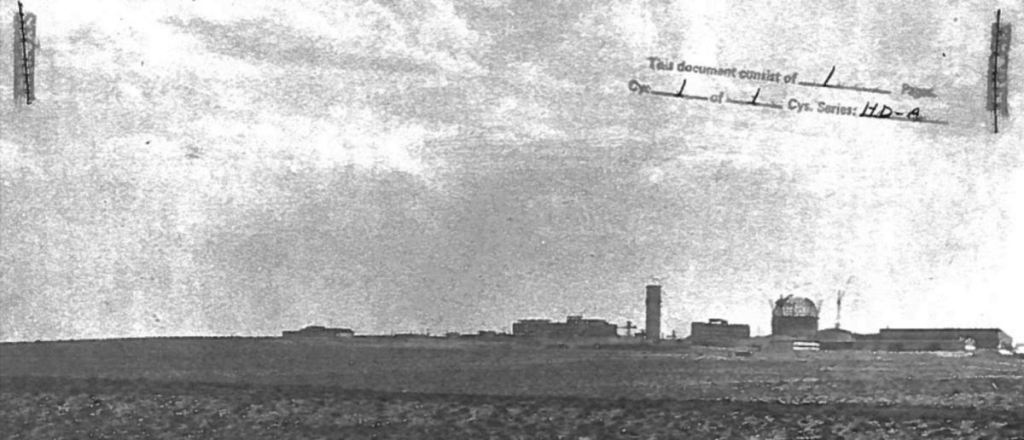

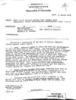
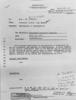
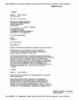
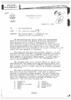


 Escritos Críticos
Debe estar conectado para enviar un comentario.