Operación de la CIA de 1968 obtuvo información sobre “toda la cúpula clandestina” del Partido Comunista y las FARC.
Una operación de apoyo de la CIA introdujo información sobre un agente soviético en la prensa colombiana.
Un desertor cubano de alto rango, veterano de Bahía de Cochinos, operaba un puesto de escucha de la CIA en Bogotá.
La CIA financió secretamente a un grupo civil anticomunista en Colombia.
Nuevas revelaciones de los registros del asesinato de JFK.

Washington, D.C., 3 de septiembre de 2025 – La vigilancia encubierta de la CIA a un agente soviético bajo cobertura diplomática en Ciudad de México en 1968 condujo a la adquisición de inteligencia sobre la «plena cúpula clandestina» del Partido Comunista Colombiano y el naciente grupo insurgente de las FARC, según registros desclasificados de los documentos del asesinato de John F. Kennedy, publicados a principios de este año. Las operaciones del gobierno colombiano basadas en dicha inteligencia condujeron al desmantelamiento de la «imprenta clandestina» del Partido Comunista, utilizada para falsificar pasaportes y otros documentos, según una selección de cables de la CIA de los documentos de JFK publicados hoy aquí por el Archivo de Seguridad Nacional. (Documentos 5-13)
Otro grupo de registros cuenta la historia de un desertor de alto rango de la Cuba de Castro que durante varios años dirigió un puesto de escucha encubierto de la CIA en Bogotá, cuyo objetivo era la oficina de Novosti, la agencia de noticias soviética estrechamente vinculada al KGB. La operación de espionaje fue dirigida por el exmilitar cubano Manuel Villafana Martínez, quien años antes había estado entre los exiliados cubanos involucrados en la fallida invasión de Bahía de Cochinos en abril de 1961. Villafana colaboró con otro expatriado cubano, Manuel Machado Llosa, extesorero del Movimiento 26 de Julio, un partido revolucionario de Castro, quien dirigía una imprenta en Colombia que encubrió la operación de inteligencia de Villafana contra Novosti. (Documentos 14-20)

Los miles de registros de JFK publicados a principios de este año, incluyendo casi todos los documentos que permanecieron clasificados total o parcialmente, no han producido ninguna revelación impactante sobre el asesinato del presidente Kennedy ni han cambiado el consenso general de que Lee Harvey Oswald actuó solo en el asesinato de JFK. En cambio, los documentos más interesantes, con diferencia, son los miles de cables, memorandos, expedientes y otros registros de la CIA que describen operaciones encubiertas hasta ahora no reveladas y agentes de inteligencia encubiertos que se creía que tenían alguna posible conexión, aunque tangencial, con el asesinato de Kennedy. Entre ellos se encuentran decenas de nuevos y fascinantes documentos sobre las operaciones de la CIA en Colombia y el resto de Latinoamérica, cuyo objetivo era monitorear y contrarrestar las operaciones de inteligencia soviéticas y cubanas, así como el apoyo a grupos de izquierda. Aunque los medios de comunicación colombianos han informado sobre algunos de los documentos de asesinato recientemente publicados, y algunos documentos absolutamente extraños encontrados en la base de datos CREST de la CIA, este libro informativo electrónico destaca algunos nuevos detalles desclasificados intrigantes de la colección JFK sobre las operaciones de espionaje de la Guerra Fría en Colombia durante los años 1960 y 1970 que otras organizaciones de noticias pueden haber pasado por alto.

Un grupo de registros detalla los esfuerzos de Estados Unidos para rastrear la “subversión” cubana en Colombia durante 1963, menos de un año después de la Crisis de los Misiles de Cuba de octubre de 1962. A principios de febrero de 1963, por ejemplo, la CIA tenía un informe de una fuente oficial alemana “bastante confiable” de que un alto funcionario de inteligencia militar cubana llamado Máximo Gruber había “sido designado líder técnico de las guerrillas comunistas en Sumapaz, Colombia”, un bastión temprano clave de las guerrillas de las FARC. (Documento 1) Un memorando del FBI de octubre de 1963 encontrado en la colección describe cómo la interceptación de comunicaciones de correo y radio por parte de la CIA en Colombia llevó a un analista de la CIA a determinar que el legendario jefe de inteligencia cubana Manuel Pinerio estaba en contacto con un agente encubierto conocido como “Roberto” que vivía en Colombia cerca de la frontera con Venezuela. (Documento 4)
La CIA monitoreó continuamente los viajes de ciudadanos colombianos (y de otros países latinoamericanos) hacia y desde Cuba durante este período, rastreó la financiación soviética y cubana a grupos izquierdistas colombianos, recopiló la escasa evidencia que vinculaba a Cuba con grupos insurgentes colombianos y colaboró en secreto con grupos civiles anticomunistas. Un informe de 1963, preparado para el Estado Mayor Conjunto por el Subcomité sobre la Subversión Cubana, afirmaba que las pistas obtenidas por un repatriado de Cuba habían llevado a la estación de Bogotá a investigar a miembros del Congreso colombiano y del gobierno municipal de Bogotá. En otra operación, la CIA había subvencionado y dirigido las actividades de un Grupo de Acción Cívica Colombiano, integrado por influyentes empresarios locales, que había establecido una unidad de propaganda anticastrista y que recopilaba activamente evidencia de la subversión cubana en Colombia para apoyar su campaña de propaganda. (Documento 3)
Otros registros muestran que la CIA también libró la Guerra Fría en los medios colombianos mediante operaciones de propaganda encubierta para infiltrar información en la prensa. Una maniobra de propaganda de la CIA descrita en los documentos de JFK tenía como objetivo exponer los esfuerzos secretos de la Unión Soviética para apoyar a partidos comunistas y grupos revolucionarios en Latinoamérica, justo cuando Colombia restablecía relaciones con la Unión Soviética tras 20 años sin representación diplomática formal.
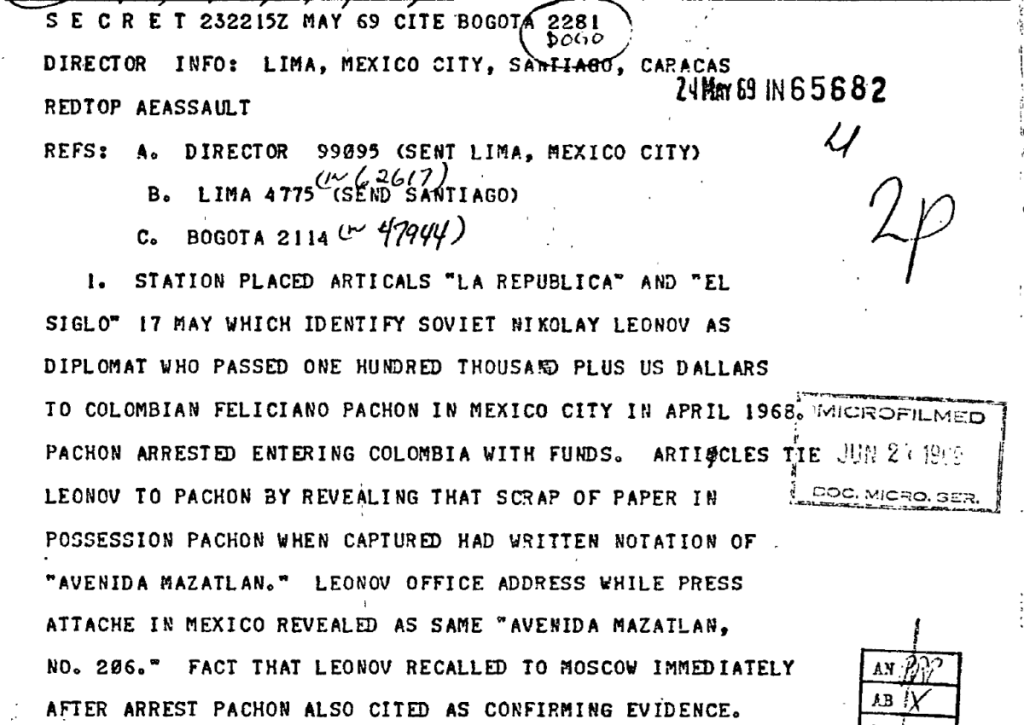
La operación comenzó a gestarse en abril de 1968, después de que la estación de la CIA en Ciudad de México observara al legendario mensajero de la KGB en Latinoamérica, Nikolay Leonov, pasando dinero a la figura revolucionaria colombiana Feliciano Pachón y a un socio. La vigilancia de Leonov por parte de la Agencia condujo a la detención inmediata de los dos mensajeros a su regreso a Bogotá, la incautación de 100.000 dólares en efectivo y una mina de oro de inteligencia sobre la cúpula clandestina de las FARC y el Partido Comunista Colombiano.
Al mes siguiente, un cable de la estación de Bogotá describió el esfuerzo de la CIA por influir secretamente en los informes periodísticos colombianos para vincular las detenciones y el posterior arresto de la cúpula del Partido Comunista con una iniciativa soviética más amplia de apoyo a los revolucionarios comunistas en Latinoamérica. La serie inicial de artículos «distorsionados, confusos y contradictorios» incluía la «inserción» de información sobre el «descubrimiento de una vasta red subversiva» en la región, apoyada por los soviéticos. Un nuevo artículo publicado ese día en El Tiempo, y extraído del cable, incluía nuevos detalles importantes, basados en «fuentes dignas de todo crédito», que indicaban que Pachón había recibido el dinero «en México de manos de un funcionario de la Embajada Soviética en Cuba», un hecho probablemente desconocido fuera de un grupo relativamente pequeño de funcionarios de la CIA. El Tiempo también informó que el dinero estaba destinado al hermano de Pachón, alias «Rapidol», comandante de un frente de las FARC en Caquetá. En un mensaje con el criptónimo «MHSPAWN» para propaganda encubierta, la emisora de Bogotá afirmó tener «munición más que suficiente para mantener viva la propaganda en este caso, prueba contundente de que los soviéticos no solo no han cambiado su forma de actuar, sino que no tienen intención de hacerlo». (Documento 7)
Sin embargo, la emisora de Bogotá también reconoció que la operación de propaganda creó una situación potencialmente embarazosa para el gobierno colombiano del presidente Carlos Lleras Restrepo, quien recientemente había restablecido relaciones con Moscú. El cable advirtió “contra atacar o acusar personalmente al presidente Lleras” y solicitó “que las personalidades colombianas se mantengan alejadas de cualquier maniobra de apoyo, ya que la situación actual inevitablemente le presentará a Lleras una píldora política extremadamente difícil y embarazosa de tragar”. (La sensibilidad de la agencia respecto al presidente Lleras reviste especial interés desde la publicación de informes a principios de este año, también basados en registros recientemente desclasificados del asesinato de JFK, que indican que su primo, el expresidente Alberto Lleras Camargo, había recibido la «Aprobación Operacional» de la CIA el 24 de febrero de 1958, aunque, según informes, no había habido «ningún interés operativo en él» desde su elección como presidente en mayo de 1958).
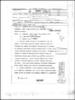
La respuesta de la estación de la CIA en Ciudad de México al informe sobre el «juego de utilería» en curso en Colombia recomendó «encarecidamente» que la estación de Bogotá trabajara con contactos de prensa para «sacar a la luz» información que identificara a Leonov «como el diplomático soviético… que le dio dinero a Pachón en México», caracterizando al agente encubierto de la KGB como «el cerebro del apoyo, la dirección y la financiación clandestina soviética de [los partidos comunistas] en Latinoamérica». (Documento 8) La campaña de propaganda clandestina continuó al año siguiente, cuando la estación de Bogotá informó en mayo de 1969 que había publicado los artículos ‘La República’ y ‘El Siglo’ del 17 de mayo, que identificaban a Nikolay Leonov como diplomático que entregó más de cien mil dólares estadounidenses al colombiano Feliciano Pachón en la Ciudad de México en abril de 1968. (Documento 13)
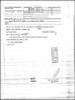
La documentación sobre la operación de espionaje de Novosti, conocida como GICITRON dentro de la CIA, comienza a principios de 1970 con un cable de la estación de Bogotá que indica que se había abierto una vacante en un edificio objetivo de GICITRON, que debería mejorar la recepción y, por lo tanto, tomaría considerablemente. El puesto de escucha estaría dirigido por Villafaña, un exagregado militar cubano que desertó en los primeros años de la revolución y que anteriormente había trabajado para la estación de la CIA en la Ciudad de México (donde era conocido por el criptónimo de la Agencia «LITAINT-1»). En Colombia, Villafaña usó el seudónimo de «Errol Lythgoe», y la cobertura de GICITRON la proporcionó otro desertor cubano con buenos contactos, Manuel Machado Llosa, extesorero del revolucionario Movimiento 26 de Julio de Castro. Como «GICITRON-4», Machado dirigía la filial colombiana de una imprenta mexicana que se utilizaba como fachada para las operaciones de la CIA.
Para la década de 1970, con el creciente número de países que reconocían a Cuba e invitaban a diplomáticos cubanos a sus capitales, la CIA se mostró reticente a recurrir a exiliados cubanos para operaciones de inteligencia en Latinoamérica. «Sería conveniente comenzar una reducción gradual del uso de cubanos, dados los objetivos que presumimos se les asignarán a medida que comience la labor de contrainteligencia cubana en los distintos países», informó la sede de la CIA en un borrador de memorando hallado entre los documentos de JFK. La reducción del uso de agentes cubanos debería estar «adaptada inicialmente a la presencia oficial cubana».
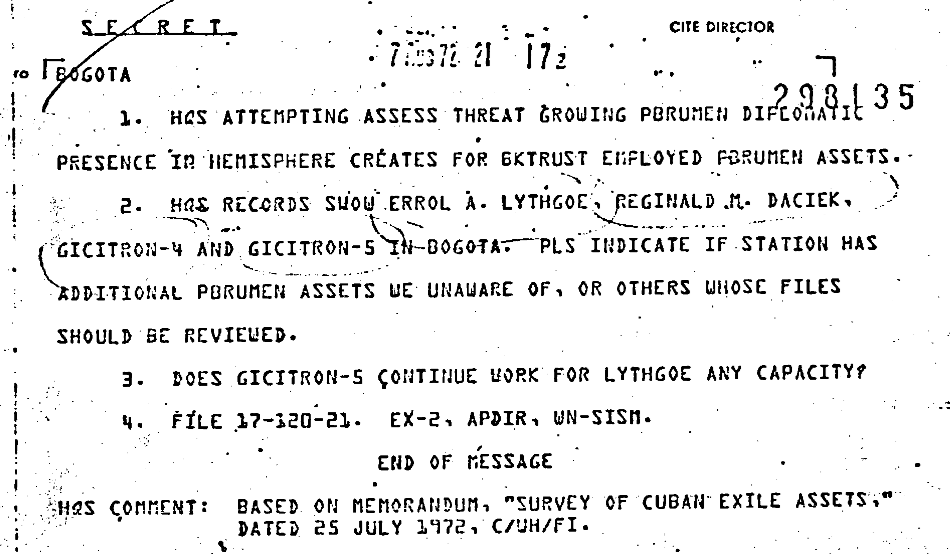
Aún persisten interrogantes sobre la verdadera identidad de las personas y organizaciones detrás de algunos de los criptonimos de la Agencia que aparecen en estos registros. Si bien se sabe que “GICITRON-4” es Manuel Machado Llosa, no hay más información sobre la identidad de “GICITRON-5”. Si bien “Errol Lythgoe” es el seudónimo conocido de Manuel Villafaña Martínez, no está claro si “Reginald M. Daciek” también es un nombre falso.
Otro misterio persistente es la identidad detrás del criptonimo “GISOY-92”, quien, por el contexto, parece haber sido una fuente de inteligencia de alto rango dentro del gobierno colombiano. Los registros enviados y recibidos por la estación de Bogotá sugieren que existía la preocupación de que las operaciones de la estación pudieran poner en peligro las relaciones de la Agencia con GISOY-92.
En el caso de la «obra de teatro» de finales de la década de 1960, la estación de Bogotá temía que permitir que la información sobre las conexiones de Leonov con grupos revolucionarios colombianos «saliera a la luz con toda su gloria» pudiera llevar al despido de «GISOY-92». Funcionarios de la CIA en Colombia habían «insistido en que GISOY-92 publicara una presentación lo más veraz posible», según un cable, y «la estación podría convertirse en un chivo expiatorio del presidente Lleras y GISOY-92». (Documento 7)
En el caso del espionaje de la CIA a la oficina de Novosti (GICITRON), la sede de la CIA preguntó hasta qué punto se informaría a GISOY-92 sobre la operación de escucha. «Se le ocurrió a la sede central que GISOY-92, al estar al tanto de la operación de GICITRON, probablemente sospecharía que la oficina encubierta propuesta por Lythgoe en el edificio de GICITRON es un nuevo puesto de escucha». ¿Planeaba la estación de Bogotá que GISOY-92 conociera el papel de Lythgoe? Si optaban por no hacerlo, «¿se molestaría si se enterara más tarde?». Finalmente, «¿Qué repercusiones podría tener esto en las relaciones entre la Estación y GISOY?» (Documento 15).
Consulte la lista de documentos a continuación para obtener más detalles sobre el papel de la CIA en Colombia durante este período crítico de la Guerra Fría en Latinoamérica.
The Documents
Document 01
CIA Information Report, “Cuban Support of Guerrillas in Colombia,” Secret/Noforn, 1 p.
Feb 4, 1963
Source
JFK Assassination papers, file no. 198-10005-10018
A “fairly reliable” intelligence source for the West German government has said that Cuban intelligence (G-2) official Maximo Gruber “has been appointed technical leader of the Communist guerrillas in Sumapaz, Colombia,” according to this CIA Information Report. Gruber is “a Polish Jew” who “carries a Bolivian diplomatic passport identifying him as ‘traveling inspector of the Bolivian Foreign Ministry.’” In Colombia, Gruber is working with insurgent leader Jaime Guerra, also known as “Captain Veneno” and he is linked to the Colombian Communist Party through “Blanca Diaz y Collazo, a lawyer and former member of the Cuban Embassy in Bogota, trained in Prague in 1952.”
Document 02
Mar 27, 1963
Source
JFK Assassination papers, file no. 177-10001-10305
This finished intelligence report is the CIA’s effort to summarize what it has learned on Cuba’s efforts to train and equip “subversives” in Latin America just a little more than five months since the resolution of the Cuban Missile Crisis of October 1962 (and nearly two years since the disastrous CIA-led invasion of Cuba at the Bay of Pigs).
A special section on Colombia presents the results of CIA efforts to track the travel of Colombian citizens to Cuba. Of 400 Colombians who went to Cuba in the past year, “37 are reported to have received training in guerrilla warfare, one in counterintelligence,” and another that “attended a staff or cadre school,” according to the CIA report. Most were members of the FUAR or MOEC groups, characterized in the report as “revolutionaries, dissident Communists, and recruits from the ranks of labor, students, and the unemployed lower classes.” The groups are said to be receiving “Cuban financial support” and are “attempting—without appreciable success to date—to coordinate operations with the bandit gangs terrorizing the violence areas of Colombia.”
Document 03
Jul 18, 1963
Source
JFK Assassination papers, file no. 198-10007-10022
A U.S. Army report on U.S. government efforts against “Cuban subversion” for spring 1963 includes a short section that describes a range of CIA activities in Colombia. Colombia’s customs chief believed that his agency had “identified a courier operating between Colombia and Cuba” and had “mounted an operation to uncover his Colombian contacts.” The CIA Station in Colombia had one “asset”—a controlled, undercover agent—“in Cuba attending guerrilla warfare training.” Another CIA “asset” was “being debriefed after his recent return from Cuba,” while a third would “depart soon for two months training in Cuba.”
Leads developed by agents sent to Cuba led the CIA station to open investigations on Colombian Congress members and officials from the Bogota city government. Meanwhile, the CIA office in Colombia was funding and directing the activities of a “Colombian Civic Action Group, composed of influential local businessmen,” that had “established an anti-Castro propaganda unit” and that was “actively collecting evidence of Cuban subversion in Colombia to support its propaganda campaign.”
Document 04
Oct 10, 1963
Source
JFK Assassination papers, file no. 198-10007-10022
CIA interception of Cuban message traffic in and out of Colombia and elsewhere helped the Agency identify the sender of some of the messages as Manuel Pineiro, a high-ranking Cuban intelligence official whose duties included aiding revolutionary movements in other parts of Latin America. The cable describes how one CIA analyst, identified as “Mrs. Anita Potocki,” had determined that an individual that had been sending messages to Cuban agent in Panama as “Patronio” was actually Pineiro. One of the recipients of the messages was an apparent Cuban agent living in Colombia near the border with Venezeula. An intercepted letter from that agent combined with Cuba’s radioed response (to reprimand the agent for including too much information in the letter) was also intercepted help to identify Pineiro as origin of the messages from Cuba.
Document 05
May 5, 1968
Source
JFK Assassination papers, file no. 104-10218-10007
James B. Noland, who would the next year become the CIA’s Mexico City station chief, describes how information collected by the Mexico CIty station led to the late-April arrests of senior FARC official Feliciano Pachon and one of his associates after returning to Colombia by air from Mexico City. Noland writes that the tipoff that led to the arrests came from Adelmo Urrea Garcia, a Colombian Communist Party member “whose motives are as yet unclear.”
Noland says that “cryptic notes” were found in Pachon’s suitcase, including the address of Soviet Press Attache Nikolay Leonov, who was “[known] to be a KGB officer, known to have handled CP [probably Communist Party] operations in the past.”
Document 06
May 23, 1968
Source
CIA CREST database
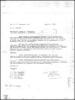
In a memo to a senior FBI official, Sam Papich reports that the CIA’s deputy director of plans has turned over a list of serial numbers from the U.S. currency found in the possession “two individuals in Colombia who clandestinely brought into the country a large sum of U.S. currency slated to be delivered to the Communist Party of Colombia.” Papich indicates that the “Soviet Section” would check to see if the money had gone “through Soviet intelligence channels” and notes that the list had been made available to the Central Investigative Division in case they wanted to see whether it matched “any identified currency utilized by James Earl Ray,” the suspected shooter in the April 4, 1968, assassination of Martin Luther King, Jr.
Document 07
May 24, 1968
Source
JFK Assassination papers, file no. 104-10218-10007
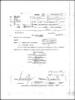
This fascinating cable from the CIA’s Bogota Station (marked “MHSPAWN,” a cryptonym referring to covert propaganda operations) describes status of a CIA “prop play” (propaganda operation) in Bogota. The purpose of the operation was to secretly influence Colombian and other news organizations to report information identifying Nikolay Leonov, a longtime Soviet intelligence agent operating under diplomatic cover in Mexico, as a key figure behind efforts to fund Communists and revolutionary groups in Colombia. Here, the Bogota station calls attention to a May 24, 1968, article that appeared in El Tiempo, Colombia’s leading newspaper, that followed “two days of distorted, fuzzy, conflicting articles appearing in all Bogota dailies” about the April arrest of Feliciano Pachon Chaconta and an associate at El Dorado Airport in Bogota.
Previous articles in the Colombian media had linked the arrests to the subsequent “roll up” of the Colombian Communist Party leadership, and, the cable notes, included the “insertion” (presumably by the CIA) of information about “the uncovering of vast Latin American subversive net involving Colombia, Bolivia, Mexico [and] Venezuela.” The new article in El Tiempo, apparently based on information planted by CIA, further reported that Pachon had “confessed” to having received the $101,000 (USD) that was seized from him at the Bogota airport from “a functionary of the Soviet Embassy in Cuba” whose mission was to see that the money reached the emerging FARC revolutionary forces in southern Colombia, according to portions of the article quoted (in Spanish) in the CIA cable.
The Bogota station adds that it “has more than enough ammunition to keep prop play boiling along lines this case dramatic proof Soviets have not only not changed their ways but have no intention of doing so.” Colombia and the USSR had renewed their official ties in January 1968 after a 20-year break in diplomatic relations, and “timing most propitious,” according to the CIA station, since the article linked the Soviets to Communist revolutionaries in Colombia on the same day that the new Soviet ambassador, Nicolas Belous, was due to arrive in Bogota, “oozing sweetness and good fellowship” and vowing that the Soviet Union “would never interfere in internal Colombian affairs.” Colombians would the same day learn that the same Soviet government “was secretly pumping in funds, material support, and propaganda materials for subversive use in undermining Colombian government,” according to the cable.
Recognizing the obvious political sensitivities for the Colombian government, which had only recently reestablished relations with Moscow, the Bogota station “cautions against attacking or accusing President Lleras personally … since he reacts unpredictably and sometimes rashly to personal criticism” and further requests “that Colombian personalities be kept out of any prop play since current situation inevitably will present Lleras with extremely difficult and embarrassing political pill to swallow.”
The Bogota station is also concerned that allowing the story to “break in all its glory” without concern for Lleras or other top government figures could lead to the “dismissal” of a CIA-associated entity identified in the message as “GISOY-92.” “Station urged GISOY-92 to release as factual a presentation as possible,” according to the cable, and depending on “whether or not station recommendations had any weight in producing wide-scale publicity, station could well be made scapegoat by Lleras and GISOY-92.” The station says that it is keeping the U.S. Embassy Bogota (“LNPURE”) “closely informed” on the case and that it has “alerted REELFOOT and other station sources with access to the Palace to keep us informed on Lleras’ reactions.”
Document 08
CIA Station Mexico City, [Recommends Identification of Leonov in Press], Secret, 2 pp.
May 29, 1968
Source
JFK Assassination papers, file no. 104-10218-10007
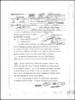
Regarding the covert propaganda operation referred to in the previous document, the CIA’s Mexico City Station advises that Leonov be identified as the Soviet diplomat who gave the money Feliciano Pachon and whose address was found in his possession when he was arrested upon his April return to Bogota. The Mexico station recommends that the Bogota station “tell press contacts address belongs to Leonov,” who is “a KGB officer who uses the cover of second secretary and press attache of the [Soviet Embassy] in Mexico” and “the mastermind for Soviet clandestine support, direction and financing” of communist revolutionaries in Latin America.
Document 09
Jun 17, 1968
Source
JFK Assassination papers, file no. 104-10218-10007
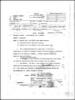
In a memo to Ambassador Charles Freeman, the CIA’s Mexico City station chief provides some details on how its surveillance of Soviet official Nikolay Leonov in Mexico City led to a big intelligence haul against the clandestine leadership of the FARC and the Colombian Communist Party.
Surveillance of Leonov conducted by the station “determined that he had a clandestine meeting with a Latin American male” and that Leonov had “passed a bundle to this individual.” After following the individual to his hotel, agents discovered he was registered under the name Feliciano Pachon Chaconta and that a woman named Librada Moreno Leal was registered to the same room. Both were later determined to be members of the Colombian Communist Party and were arrested upon return to Bogota on April 20, 1968, carrying a total of $100,000 (USD).
Pachon and Moreno are said to have “broke and provided considerable information,” including the identities of “the entire clandestine leadership of the PCC and FARC,” FARC “personnel and plans,” information about previous financial support from the Soviets, including a $200,000 (USD) payment in June 1967, and the “address and identification of the PCC clandestine printing press,” which was used to forge “false documents and passports,” according to the person who ran the installation. The captured couriers said that all of the clandestine Soviet support received by the FARC and PCC came through the Soviet Embassy in Mexico and that Leonov was the “regular contact” on such matters.
Document 10
Jun 18, 1968
Source
JFK Assassination papers, file no. 104-10218-10007
The cable from CIA headquarters deals with several aspects of the coordinated “prop play” among various CIA stations to undermine Soviet diplomatic efforts and specifically to plant damaging information about the activities of Nikolay Leonov, a KGB agent under diplomatic cover in Mexico City. Regarding Leonov, stations are advised that any information tying him to the Pachon case should be pegged to the discovery of Leonov’s address in Pachon’s suitcase. Additionally, stations are advised of the importance of “keeping Pres. Lleras’ name out of it.” Attached comments indicated that the Bogota station “will continue to attempt placement of Leonov’s connection in the case in Bogota press.”
Document 11
CIA Bogota Station cable, [Travel of Nikolai Leonov to Colombia], Secret, 2 pp.
Apr 22, 1969
Source
JFK Assassination paper, file no. 104-10218-10007
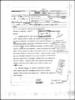
A CIA-associated individual or entity known by the cryptonym “GIWREN” has reported to the Agency’s Bogota station that Jose Arizala Posso, chief of the Novosti office in Bogota, has asked the presidential press secretary whether Soviet official Nikolay Leonov can travel to Bogota on way to Lima. The cable notes that Leonov was “once stationed Mexico City as Soviet Embassy press attache and known RIS [Russian Intelligence Service].”
Document 12
CIA cable, [Order to Name Leonov in “Station-Inspired Articles”], Secret, 2 pp.
May 5, 1969
Source
JFK Assassination papers, file no. 104-10218-10007
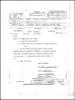
This cable from CIA headquarters suggests that the Lima Station plant stories in the local press connecting Soviet official Nikolay Leonov to Peruvian guerrillas as was done previously in Colombia after the arrest of Feliciano Pachon in April 1968. The cable refers to three previous cables, one of which (Bogota 2114) “outlines prop play being conducted by Station Bogota in connection with recent discovery of an ELN cache.” Another reported the “[a]rrival of Leonov in Lima,” describing him as “a Soviet RIS [Russian Intelligence Service] officer who is under cover of Second Secretary of Soviet Embassy in Mexico City.” A third reported on the “connection between Leonov and Pachon.”
Document 13
CIA Station Bogota, [Station Placed Articles on Leonov in Local Media], Secret, 2 pp.
May 24, 1969
Source
JFK Assassination papers, file no. 104-10218-10007
The CIA Station Bogota reports that it “placed articles ‘La Republica’ and ‘El Siglo’ 17 May which identify Nikolay Leonov as diplomat who passed one hundred thousand plus US dollars to Colombian Feliciano Pachon in Mexico City in April 1968.” The articles “tie Leonov to Pachon by revealing that scrap of paper in possession Pachon when captured had notation of ‘Avenida Mazatlan,’” which was Leonov’s address as Soviet press attaché in Mexico City. The cable adds that Leonov transited through Bogota airport April 23 where he met with “several members of clandestine apparat.”
Document 14
Jan 20, 1970
Source
JFK Assassination papers, file no.104-10219-10066
A cable from the CIA station in Bogota sheds considerable light on the Agency’s targeting of Soviet communications in Colombia. Here the station reports that it “has learned of space becoming available” in a “GICITRON target building,” using the Agency cryptonym associated with the Colombia-based communications interception operation. Shifting operations to the new building “should improve reception and therefore take considerably,” according to the station. The station recommends that the new space should be rented and set up by “Errol R. Lythgoe,” the cover name used by Manuel Villafana Martinez, a former Cuban military attaché who defected to the U.S. in 1960 and participated in the Bay of Pigs invasion in April 1961. The cable notes that “Lythgoe” (Villafana) was previously known by the Cryptonym “LITAINT-1” when he was handled by the Mexico City station.
“Lythgoe” told the station that “he had already formed” a front company that could provide cover for the operation “in conjunction with Manuel Machado Llosa,” the “Cuban manager for Colombia of Galas y Cia.,” a printing company based in Mexico. Machado is a “long-time friend of Lythgoe who performed ops tasks for RVROCK [CIA] in Mexico and is aware of Lythgoe’s operational history.” The station requests that “headquarters obtain clearance [on] priority basis” for Machado “to provide cover for Lythgoe’s business and funds.” Machado would “not to be involved directly in operating,” but “it must be expected that, Cubans being Cuans, he will be more than generally aware of what is going on.” Machado would later be assigned the cryptonym “GICITRON-4.”
Document 15
CIA cable to Bogota station, “GICITRON Techs,” Secret, 2 pp.
Jan 31, 1970
Source
JFK Assassination papers, file no. 104-10219-10066
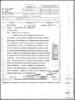
Referring to the January 20 cable of the same subject (Bogota 3483) which asked the Agency to clear Manuel Machado Llosa for use by the CIA station in Bogota, CIA assigns him the cryptonym “GICITRON-4” and file no. 201-267298. The cable says Machado “was original member of 26th of July Movement,” in Cuba, “but became disillusioned with administrative incompetence of Castro regime” and the “Sovietization of Cuba.” He worked with Cuban counter-revolutionary groups (including on the CIA’s AMWAIL operation), “had excellent contacts in Cuban diplomatic circles and with Cuban United Nations and Mexican police officials,” and “was rated a reliable source by Station Mexico City,” although he had not been a useful contact for Mexico City since 1963.
Regarding the CIA listening post in Bogota, headquarters agrees “that improvement GICITRON reception could improve product and, hence, worth pursuing,” but there were also some concerns about operational security vis a vis an unknown individual assigned the Agency cryptonym GISOY-92. “Thought occurs to HQS that GISOY-92, being aware GICITRON operation, would probably suspect proposed Lythgoe cover office in GICITRON building in new LP [listening post].” Headquarters asks whether the Bogota station planned “make GISOY-92 witting of Lythgoe role?” If not, “would he be piqued if he later learned of it?” “What repercussions could this have on Station/GISOY relations?”
Document 16
Chief, Western Hemisphere Division to Chief of Station Bogota, “Subject: GICITRON-4,” Secret, 1 p.
Mar 16, 1970
Source
JFK Assassination papers, file no. 104-10219-10066
This short cable indicates that on March 6 “a POA [Provisional Operational Approval] was granted GICITRON-4 (Manuel Machado Llosa) to permit him to form a corporation to provide funding cover for Errol R. Lythgoe.”
Document 17
Feb 11, 1971
Source
JFK Assassination Papers, file no. 104-10219-10066
Operational approval is granted to CIA Station Bogota for use of “GICITRON-4” in Colombia by CIA headquarters.
Document 18
Aug 7, 1972
Source
JFK Assassination Papers, file no. 104-10219-10066
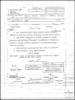
In a cable to the CIA station in Bogota, CIA headquarters says it is trying to assess the threat for Cubans employed by the CIA created by the “growing PBRUMEN [Cuban] diplomatic presence in hemisphere.” Agency records list “Errol A. Lythgoe, Reginald M. Daciek, GICITRON-4 and GICITRON-5 in Bogota,” according to the cable. “Pls indicate if station has additional PBRUMEN assets we unaware of, or others whose files should be reviewed.”
Document 19
CIA memorandum for WH/FI, “Subject: GICITRON-4,” Secret, 1 p.
Aug 15, 1972
Source
JFK Assassination Papers, file no. 104-10219-10066
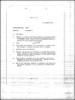
In apparent reply to the CIA headquarters cable of August 7 on the recommended reduction in reliance on Cuban agents, this memo describes how the individual known as GICITRON-4, Manuel Machado Llosa, is used by the Bogota Station. Machado provides “cover, status and funds for an operation handled by Errol R. Lithgoe,” the pseudonym of Manuel Villafana, “also a Cuban, who is nominally Subject’s partner in the business enterprise.” Although “he was involved in several clandestine Cuban activities while treasurer of the 26th of July Movement during 1957-58,” the CIA says that Machado “has received no training in clandestine operations” from the CIA. In any case, since Machado “provides cover for LITHGOE, he is not required to utilize any tradecraft,” adding that, “Having his own company provides for adequate cover.”
Document 20
CIA memo draft, “Results of Our Survey of Cuban Assets,” Classification unknown, 1 p.
Sep 13, 1972
Source
JFK Assassination Papers, file no. 104-10219-10066
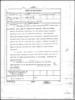
This strange document—marked both as a “memo draft” and as an “extract” and containing what appear to be pasted-together, non-contiguous sections—notes concerns raised by the Lima chief of station about the security of Agency operations that rely on Cuban assets in countries where Cuba has recently established diplomatic relations. In response, the undisclosed author of the memo asserts that: “[W]e would do well to begin a gradual cut-back in our use of Cubans, given the targetting [sic] that we presume will be made on them as the Cuban CI [counter-intelligence] effort begins in the various countries,” but the reduction in the use of Cuban agents should be “keyed initially to where the official Cuban presence is” and should therefore start with Peru. A seemingly disconnected section indicates that, “GICITRON-4, who has been Treasurer of the 26th July movement in the period 1957-58 provides cover for LITHGOE.”


 Escritos Críticos
Debe estar conectado para enviar un comentario.