The native peoples encountered by Jesuits and other explorers in North America always laughed at the ideas of the colonists (the quote is a personal synthesis of several documents):
“You say you are free, and yet everything you do, you do out of obedience to your kings, your captains, your shamans, your husbands…”
If the leaders failed to convince their people in their assemblies, the people and even individuals simply withdrew and disobeyed. The same was true of women with regard to their men. Women and warriors had the right to veto the assemblies’ war resolutions if they were not convinced by the arguments.
The European military, religious, and intellectuals who attended these assemblies and meetings with white people recognized that “savages” never forgot anything; no one could win an argument with them. Savages did not punish their children; they let them make mistakes so that they could learn from experience. They accepted people of any ethnicity without restriction, including Europeans and Africans. They had no prisons, because the accused had to make amends to the victim, and the shame of the sentence was already a painful punishment. The savages considered the loss of personal control due to passions to be a sign of poor education and spiritual inferiority. They were far more realistic than the European fanatics. A French Jesuit wrote that, once, when discussing the existence of hell, they argued that there could be no fire under the earth because there was no wood down there, only stones, and because fire needs air. They ended up accepting the argument of fire without oxygen when the priests lit a sulfur stone, but the idea of hell continued to be resisted by peoples such as the Iroquois, who defeated the French and British for three centuries because their social organization was superior to that of the Europeans, because they had a military defense based on cooperation and knowledge of their land, and because they did not believe the fanatical stories of earning heaven through martyrdom and suffering. They lived longer, were taller, and were healthier. They invented modern pharmaceuticals and true democracy. They had fewer wars, worked fewer days, knew no depression, and suicide was almost unknown until the white man arrived with his rum, his loss of control, and his fantastic concept of the individual. They knew tobacco, but not smoking or the addictions introduced by commercialism. Private ownership of land did not exist.
Yes, they were not saints. Yes, throughout history there have been many fanatical cultures, but few more fanatical than the one that emerged with capitalism in the 17th century. As proof, it would suffice to mention that the most destructive and fanatical dogma of recent centuries asserts that “My selfishness is good for the rest of society” and to receive in less than two seconds epidermal attacks from its fanatical defenders, especially from individuals who are impoverished and enslaved in body and soul.
We could go on, as other demonstrations of radical fanaticism that, like all fanaticism, pass for common sense: enslaving millions of people because of their color and turning them into hereditary private property. Massacring hundreds of millions of humans for the sole greed of capital, of enrichment, and doing so in the name of freedom. Even under the banner of Christianity (from the Crusades, the Inquisition, and slavery to the brutal empires that survive in different forms), turning Jesus’ idea that it is almost impossible for a rich person to enter Heaven on its head with the idea that if you are rich it is because God loves you and with dollars you can buy Paradise. Weren’t the native peoples right about the absurdity of our convictions about freedom?
Susana Groisman confessed to me her frustrations with the current government of Uruguay.
“This is not what I voted for. I voted for a party, and a group of people is governing.”
This is another aspect of the “Americanization of Europe” and “Latin America.” The first presidential election I experienced in the United States was in 2004. One of the things that surprised me most was that the candidates spoke about themselves as people, as individuals (I will…, Me, I am… I believe…) and not about the party’s program, as I was used to hearing in Uruguay: “The individual does not matter; what matters is the party’s government program.”
For better or worse, these platforms were published and distributed among the people. Although not everyone read them, at least it was a form of political contract.
I later learned that the “I” (Me, I) is only important to the Protestant culture of their voters because, in reality, those who decided and decide were not and are not the parties or the leaders (men), but the financial corporations. Almost the same thing is happening now in Uruguay and other Latin American countries, but the process has been so gradual that people have become accustomed to it without noticing the inoculation.
We saw a caricature of this in early 2026, after Washington broke all international laws by blocking Venezuelan oil, hijacking its cargo ships, carrying out summary executions of alleged drug traffickers in boats without capturing them to bring them to court (many turned out to be fishermen), and kidnapping its president on charges that Washington itself acknowledged to be false (such as the Cartel of the Suns); justifying summary executions of its own citizens by masked paramilitary groups (ICE), as in the case of Renee Nicole Good, for being (a) a provocative leftist, (b) a terrorist who insulted secret agents and then tried to flee, and (c) a lesbian and mother of three children. A day later, a New York Times reporter asked the president at the White House if there were limits to his power:
“Yes. My own morals. My own conscience. That’s the only thing that can stop me.”
All of this is the perfect description of a dictatorial regime, no longer in the plutocratic style of corporations (P=d.t), but in the more primitive tradition of the banana dictator, like in The Autumn of the Patriarch, where even García Márquez’s magical realism is expressed in the University of Texas A&M’s ban on Plato’s books for being leftist woke.
Susana responded with a question:
“So what can be done?”
The answer is the same one we have been repeating for years: (1) There is no possibility of democratization as long as power remains concentrated in the financial centers. (2) This concentration has become more radical, which we can see not only in the “Americanization of the West,” from consumerist habits to politics and education systems, but also in its final phase, where we are now entering a (3) “double Palestinianization of the world.” In other words, (4) the electoral systems of liberal democracies have contained some of capitalist neofeudalism, but they will never change it.
(5) Change will come through a massive global crisis. I understand that we are in a stage of accumulating popular pressure. We cannot say when it will happen, but a social and international explosion is inevitable.
As history proves, (8) no resistance has been sufficient to change a historical system such as capitalism, but (9) individuals do not have multiple lives to wait centuries. We cannot put an end to one of the most cruel and fanatical systems that humanity has created, capitalism, but we can reverse or limit some of its suppurations, neoliberalism and fascism.
Lo que hoy ocurre en Venezuela no es una anomalía ni una desviación inesperada del orden internacional. Tampoco puede leerse como una reacción coyuntural ante un gobierno específico ni como un episodio aislado de tensión diplomática. Es, una vez más, la reaparición de una lógica histórica que América Latina conoce con dolorosa precisión: la de ser tratada como frontera salvaje, ese territorio donde las reglas que rigen para el “mundo civilizado” se suspenden sin escándalo y la violencia se ejerce como si fuera un derecho natural.
Bloqueos económicos totales, confiscación de bienes, operaciones militares encubiertas, amenazas explícitas de intervención y secuestros presentados bajo una nueva versión de las doctrinas Monroe y de la Seguridad nacional que, más bien, se parecen al mito de “el espacio vital” esgrimido por el Tercer Reich hace un siglo. No son desvíos del sistema internacional: son parte de su funcionamiento histórico cuando se trata del Sur Global y de América Latina en particular.
Lo ocurrido el 3 de enero marca, sin embargo, un umbral nuevo. No se trató solo de la reiteración de prácticas conocidas, sino de una demostración obscena de impunidad ante cualquier ley y una confirmación de la actual “palestinización del mundo”. La violación de la soberanía venezolana, ejecutada sin declaración de guerra y presentada públicamente como demostración de poder, no suspendió el orden internacional: lo declaró prescindible. Allí donde antes operaban eufemismos diplomáticos, ambigüedades jurídicas o coartadas humanitarias, apareció la afirmación directa de que la fuerza basta por sí misma para legitimarse. Lo que se mostró no fue un exceso, sino una pedagogía del dominio dirigida al mundo entero. Cambian los nombres de los gobiernos, se actualizan los ideoléxicos, se reciclan las excusas morales, pero el guion permanece intacto. América Latina vuelve a aparecer como espacio disponible para el castigo ejemplar, la experimentación política y la pedagogía del miedo.
La historia regional es demasiado clara como para fingir sorpresa. Invasiones militares, ocupaciones prolongadas, golpes de Estado, guerras por delegación, bloqueos económicos, sabotajes, secuestros y campañas sistemáticas de demonización mediática han acompañado, durante doscientos años cada intento de autonomía política, redistribución social o control soberano de los recursos. No se trató nunca de errores aislados ni de excesos corregibles, sino de una política persistente, sostenida por una concepción jerárquica del mundo que reserva para algunos pueblos elegidos por un Destino manifiesto la plenitud del derecho y para otros la excepción permanente.
Pensar América Latina como frontera salvaje no implica aceptar una identidad impuesta, sino denunciar la mirada imperial que la construyó como tal. Esa mirada imperial no solo construye territorios disponibles: también produce jerarquías humanas. Decide qué vidas merecen duelo, qué violencias escándalo y cuáles pueden administrarse como daño colateral. El orden internacional no se limita a regular conflictos: distribuye sensibilidad, legítima indiferencias y organiza silencios. Por eso, la agresión no comienza con los misiles, sino con la normalización de un lenguaje que vuelve aceptable lo inaceptable y vuelve invisible a quienes quedan fuera del reparto del derecho. Una mirada que naturaliza la violencia hacia el sur global con la complicidad de sus rémoras criollas, que racializa los conflictos y que suspende, sin pudor, los principios del derecho internacional cuando estos obstaculizan intereses estratégicos. Lo que en otros territorios sería considerado crimen, acto de guerra o violación flagrante de la soberanía, aquí se vuelve “medida”, “presión”, “operación preventiva” o “asistencia para la estabilidad”. En cierto grado, la brutalidad se ha sincerado y la antigua excusa de la democracia ya ha perdido uso y atractivo. Queda la defensa de la libertad, la libertad de los amos y mercaderes, el miedo y la moral de los esclavos.
En este sentido, Venezuela no es una excepción sino un ensayo general. Cuando una potencia actúa de ese modo y no enfrenta sanción efectiva alguna, el mensaje es inequívoco: la excepción se convierte en regla. Lo que hoy se tolera como caso singular se incorpora mañana como antecedente operativo. El derecho internacional no cae de golpe; se vacía por acumulación de silencios. Un escenario donde se pone a prueba hasta dónde puede avanzarse sin generar una reacción significativa de la comunidad internacional. Lo que hoy se tolera como caso singular, mañana se invocará como precedente.
Nada de esto implica desconocer los conflictos internos, las discusiones, las profundas concepciones sobre qué es o debe ser una democracia ni las deudas sociales, mal endémico de los países latinoamericanos. No podemos negar esto como no podemos aceptar que esas tensiones habilitan una agresión externa―de hecho, la historia muestra de forma repetitiva que estas agresiones e intervenciones imperiales han sido el mayor combustible de los conflictos sociales y del subdesarrollo de estos países. Ninguna crítica interna justifica una invasión. Ningún desacuerdo político legitima el castigo colectivo de un pueblo. La soberanía no es un premio a la virtud ni una certificación moral otorgada desde afuera: es el umbral mínimo para que las sociedades decidan su destino sin un arma apoyada sobre una mesa de negociación.
Frente a esta escalada, la respuesta de buena parte de la comunidad internacional ha sido el silencio, la ambigüedad, la tibieza diplomática y la ausencia de medidas concretas. Un lenguaje que no busca detener la violencia, sino administrarla. Palabras que nunca nombran al agresor, que diluyen responsabilidades y que colocan en un mismo plano a quien acosa y a quien resiste. La historia latinoamericana enseña que las grandes tragedias no comenzaron con bombardeos, sino con palabras y excusas que las volvieron tolerables. Cuando la agresión se normaliza, la violencia avanza sin resistencia.
Defender hoy la soberanía de Venezuela no equivale a defender a un gobierno ni a clausurar el debate interno. Equivale a rechazar una lógica que vuelve a instalar la guerra como instrumento legítimo de orden internacional basado en los intereses del más fuerte. Equivale a afirmar que América Latina no es patio trasero ni delantero de nadie; no es zona de sacrificio, ni frontera salvaje de nadie. Y equivale, también, a asumir una responsabilidad intelectual básica: romper la amnesia histórica antes de que vuelva a escribirse, una vez más, con sangre ajena.
Porque callar ante una agresión nunca fue neutral. La historia, cuando finalmente habla, no suele ser indulgente con quienes miraron hacia otro lado. Para muchos, esto no tiene importancia. Para nosotros sí.
Firman:
Abel Prieto, Cuba Adolfo Pérez Esquivel, Argentina Andrés Stagnaro, Uruguay Atilio Borón, Argentina Aviva Chomsky, Estados Unidos Boaventura de Sousa Santos, Portugal Carolina Corcho, Colombia Débora Infante, Argentina Eduardo Larbanois, Uruguay Emilio Cafassi, Argentina Federeico Fasano, Uruguay Felicitas Bonavitta, Argentina Gustavo Petro, Colombia Jeffrey Sachs, Estados Unidos Jill Stein, Estados Unidos Jorge Majfud, Estados Unidos Mario Carrero, Uruguay Óscar Andrade, Uruguay. Pablo Bohorquez, España Pepe Vázquez, Uruguay Ramón Grosfoguel, Estados Unidos Raquel Daruech, Uruguay Stella Calloni, Argentina Víctor Hugo Morales, Argentina Walter Goobar, Argentina
La congresista María Elvira Salazar, vieja conocida de la mafia de Miami y ahora aliada de Maria Corina Machado por las mismas treinta monedas, le “explica a los estadounidenses que no quieren una intervención en Venezuela”.
El viejo terrorismo de Miami, ahora convertido en terrorismo político, sediento de dinero, sangre y petróleo ajeno, te lo cuenta sin maquillaje, con el descaro de los imperialistas asesinos y genocidas que hoy están aquí y mañana allá, hoy en Palestina y mañana en Venezuela. La sonrisa de la maldad explicando cuánto vale la sangre de no-personas allá lejos. Todo a parir de una simple proyección del terrorismo propio en alguien a quién se quiere remover del poder de un país lejano. La maldad hecha carne y podredumbre, pero con mucho maquillaje.
La mayoría de los estadounidenses que conozco, de distintas profesiones (desde académicos, empleados de tiendas, dueños de pequeños negocios, soldados veteranos de guerras perdidas), ya no quieren seguir con ese maldito juego imperialista de las invasiones y de los cambios de régimen de gobiernos ajenos bajo excusas hipócritas.
Pero nunca faltan (de hecho, sobran) los cipayos latinos y de las mafias patriotas de los «inmigrantes que llegan buscando la libertad» que desean desesperadamente el sufrimiento de sus hermanos allá en el sur. Como decían los más célebres terroristas tirabombas de Miami, “que sufran, cuánto más sufran mejor”.
Por estos lobbies (el lobby cubano en Washington fue creado en los 80s a imagen y semejanza del lobby israelí, ver «1976. El exilio del terror») América latina y el mundo continúan desangrándose sin pausa―Pero es más fácil echarle la culpa a un régimen desalineado aquí o allá.
La historia les tiene reservado un rincón cloacal.
Jorge Majfud, noviembre 2025.
La congresista María Elvira Salazar, vieja conocida de la mafia de Miami y ahora aliada de Maria Corina Machado por las mismas treinta monedas, le "explica a los estadounidenses que no quieren una intervención en Venezuela". El viejo terrorismo de Miami, ahora convertido en… pic.twitter.com/4lwQfMdabw
Existen varios elementos ideológicos en la narración histórica del Inca Garcilazo de la Vega y una concepción de progreso de la historia que se opone a la concepción antigua de Hesíodo y de la Iglesia. En sus Comentarios Reales de los Incas procura una “reivindicación” de su pueblo original, en un contexto español; para “ser aceptado”, se propone no reescribir directamente la historia oficial, pero trastoca los significados de aquellos “hechos” narrados con anterioridad por los españoles en su Perú natal. Al mismo tiempo, realiza un mestizaje cosmológico que servirá como herramienta para confirmar su concepción de la historia y revindicar, al mismo tiempo, sus orígenes étnicos y culturales. Pero, en gran medida, su perspectiva religiosa e intelectual ya pertenece a España. El Inca Gracilazo de la Vega no identifica el panteísmo de los pre-incaicos y lo rechaza desde una perspectiva cristiana que separa al hombre de la naturaleza. Lo que demuestra su concepción europea de la divinidad. Desprecia las culturas preincaicas porque adoraban lo inferior a ellos, mientras que los Incas —como los cristianos— adoraban lo superior y la unidad: el Sol. Más aún, Gracilazo de la Vega identifica, sin nombrarlo, a Pachacámac con el Espíritu Santo. Jesu Christo será la culminación del progreso hacia la perfección de la Trinidad. La consecuencia es una concepción progresista de la historia que incluye a los incas y todos los pueblos (imperfectos) que lo precedieron. Pasa por encima del rito, del dogma y de las formas para encontrar en el pueblo inca un destino común a la civilización cristiana. Con ello también revela un componente humanista de una historia que se desarrolla con un objetivo universal y mestizo. No por casualidad, se nombra “Inca” con un apellido español, de la Vega, y lucha por conciliar ambas tradiciones: es un proyecto histórico, una voluntad de síntesis, y una reivindicación personal.
Los Comentarios Reales del Inca Gracilazo de la Vega son el resultado del esfuerzo de una vida. Su título sugiere que se tratan de “anotaciones al margen” de otro texto mayor. Si consideramos “texto” a aquellos textos escritos que, bajo el título de “relaciones” o “crónicas”, pretendían documentar los “hechos” principales de la conquista del Perú y de un presente histórico concreto, efectivamente estamos ante “comentarios”. No obstante, también los “hechos” son textos y en su relectura nos va la modificación de esos “hechos” e, incluso, su creación. Como observó Anderson Imbert, “la narrativa comenzó en el Nuevo Mundo como había comenzado en el viejo: en la historiografía. Heródoto, padre de la historia y del cuento; y también nuestros cronistas de Indias tuvieron esa doble paternidad.” (117)
Con una fórmula barroca de excesiva modestia,[1] de la Vega se presenta ante sus lectores (principalmente cortesanos españoles) como s-i careciera de estas pretenciones: se tratan de “comentarios”, de alguna que otra precisión lingüística, algún que otro comentario teológico, pero nada más. Sin embargo, el resultado es el contrario. En los Comentarios Reales no se cuestiona la letra escrita de otros historiadores españoles; se cuestionan las interpretaciones de los hechos narrados, la lectura de la letra escrita, su significado “real”[2] Sus fuentes escritas serán el padre Blas Valera y Cieza de León. Es decir, españoles que vivieron en Perú. De la Vega, peruano que vivió y escribió en España, tendrá una perspectiva diferente. Pero la diferencia, la única autoridad que se atribuye sutilmente, es la de haber conocido el objeto de los escritos ajenos: la lengua, la cultura, las creencias de los incas. “Pedro de Cieza, capítulo setenta y dos dice así: ‘El nombre de este demonio quería decir hacedor del mundo, porque Cama quiere decir hacedor y pacha, mundo’, etc. Por ser español no sabía tan bien la lengua como yo, que soy indio Inca” (Vega, Comentarios, 62). Incluso, cuestiona las mismas palabras o “confesiones” que pudieron hacer los incas a los españoles, desde una perspectiva de conocimiento más profunda sobre su propio pueblo.[3] También corrige a Cieza, paradójicamente, para acercar la religión inca y asimilarla a la cristiana, de forma de legitimarla. “En mis niñeces [mi familia, los incas] me contaban sus historias, como se cuentan las fábulas a los niños” (44). “Después, en edad más crecida, me dieron larga noticia de sus leyes y gobierno, cotejando el nuevo gobierno de los españoles con el de los Incas […] Decíanme cómo procedían sus Reyes en paz y en Guerra, de qué manera trataban a sus vasallos y cómo eran servidos por ellos”. Por un lado es un instrumento de la conservación oral de su pueblo: “En suma, digo que me dijeron noticia de todo lo que tuvieron en su república, que, si entonces lo escribiera, fuera más copiosa esta historia”. Por otro lado, confirma el género de crónica o relaciones: “Demás de habérmelo dicho los indios, alcancé y vi por mis ojos mucha parte de aquella idolatría, sus fiestas y supersticiones, que aún en mis tiempos, hasta los doce o trece años de edad, no se habían acabado del todo […] las cuales contaré diciendo que las vi” (45).
Gracilazo de la Vega es consciente del problema irresuelto de distinguir los “hechos” de la “ficción” y resuelve a cuál atribuir vedad y a cual mentira. Los hechos narrados de forma parcial representan una falsificación; la crónica es una forma de atribuirse autoridad, pero también el conocimiento “iniciático” de la cultura que se pretende describir y juzgar. Para de la Vega, sólo puede hacer una crónica válida —completa— aquel que conoce profundamente el objeto de su narración, es decir, su propia cultura. La cita que sigue condensa estos aspectos (los subrayados son nuestros):
[S]e me permitirá decir lo que conviene para la mejor noticia que se pueda dar de los principios, medios y fines de aquella monarquía, que yo protesto decir llanamente la relación que mamé en la leche y la que después acá he habido, pedida a los propios míos, y prometo que la afición de ellos no sea parte para dejar de decir la verdad del hecho, sin quitar de lo malo y añadir a lo bueno que tuvieron, que bien sé que la gentilidad es un mar de errores, y no escribiré novedades que no se hayan oído, sino las mismas cosas que los historiadores españoles han escrito de aquella tierra y los Reyes de ella y alegaré las mismas palabras de ellos donde conviene, para que se vea que no finjo ficciones a favor de mis parientes, sino que digo lo mismo que los españoles dijeron. (Vega, Comentarios, 46) (El subrayado es nuestro)
Por un lado insiste en ser objetivo y no tendencioso a favor de su sangre, de su cultura original, y, por el otro, renuncia a una reescritura de la historia de los conquistadores, cuando el valor de la relación estaría en su particularidad testimonial y en su conocimiento de su propia cultura. Pero Gracilazo sólo puede legitimarse a través de los vencedores, de aquellos que viven ahora con él y poseen el monopolio de la cultura escrita. “Sólo serviré de comento para declarar y ampliar muchas cosas que ellos asomaron a decir y las dijeron imperfectas por haberles faltado relación entera” (46). Pero su proyecto, aunque con aprensión, debe ir justificado con razones sólidas, difíciles de refutar por los posibles adversarios dialécticos: “Que el español que piensa que sabe más de él, ignora de diez partes las nueve por las muchas cosas que un mismo vocablo significa y por las diferentes pronunciaciones que una misma dicción tiene para muy diferentes significaciones” (46). Incluso, por momentos, va más allá de los límites trazados previamente: “Demás de esto, en todo lo que de esta república, antes destruida que conocida…” (46).
Diferente a los cronistas, sus Comentarios Reales muestran varios elementos mestizos. De la Vega se ha integrado a una mentalidad católica española, pero no puede olvidar su origen. Para resolver este conflicto o aparente contradicción, los integra en un proyecto común: la cultura Inca, su concepción teológica, su destino religioso, son un estado previo al cristianismo. Lo predicen y lo hacen posible. Ambos forman parte de un destino; no de un choque de mentalidades, de culturas.
La dimensión personal va fuertemente unida a su cultura y la cultura europea del momento. De la Vega tiene una concepción humanista y progresista de la historia y hace una “reivindicación” de los incas, su raza, en un contexto español ciego a la posibilidad de algo bueno o verdadero fuera del dogma católico[4]. En los últimos siglos, España no había conocido otra moral que la guerra y el combate del “otro”, ya sea moro, judío, protestante o americano. Incluso Santa Teresa de Jesús, De la Vega lo sabía y sabía quién era y dónde estaba parado: además de huérfano nacido en tierra salvaje, era mestizo, impuro americano[5]. En cierta forma, un converso, estatus étnico-religioso de grado delicado y peligroso para el momento histórico de la península. Además escritor, historiador y probable innovador dentro de una sociedad conservadora, muchas veces, reaccionaria. Estos rasgos, a mi entender, son principales en el perfil de los Comentarios Reales del Inca.
Ahora pasemos a aquellos elementos manejados por de la Vega para releer la historia oficial y llevarla por un nuevo curso, más razonable y conveniente a su raza y cultura. En “Idolatría y dioses que adoraban antes de los Incas”, hace un esfuerzo por diferenciar la cultura pre-incaica (dominada por la idolatría) de la cultura Inca[6]. Al mismo tiempo, comparará y encontrará fundamentales similitudes entre esta cultura —centro de su historia— y la cultura cristiana. Principalmente, estas “coincidencias” se basarán en observaciones teológicas y religiosas, como la concepción unitaria de la divinidad en los incas. Es la unidad proto-católica de Espíritu Santo.[7] “Tuvieron al Pachacámac en mayor veneración interior [porque no le hacían templos como al dios Sol, porque no lo habían visto] que al Sol.” (62)
Esta verdad que voy diciendo, que los indios rastrearon con este nombre [Pachacámac] y se lo dieron al verdadero Dios nuestro, la testificó el demonio, mal que le pesó, aunque en su favor como padre de mentiras, diciendo verdad disfrazada de mentira o mentira disfrazada con verdad.”[8] (62)
Gracilazo entiende que tanto Cieza de León como el padre fray Jerónimo Román escribieron sobre Pachacámac narrando “lo cierto”, pero atribuyéndole errores de significado por no conocer el idioma[9] (63). El verdadero equivalente del demonio cristiano debía ser la deidad despreciada por los incas, nunca la venerada. Gracilazo resuelve el celo monolátrico del cristianismo identificando a Pachacámac con Yahvé y a Zúpay con Lucifer, sin atender a las narraciones bíblicas de describen caracteres e historias muy distintas. Zúpay era el verdadero demonio y los incas lo habían comprendido así escupiendo al pronunciar su nombre. Por el contrario, cuando nombraban a Pachacámac mostraban adoración por algo alto, superior a los humanos —a los humanos en general, no sólo a los incas (63). El Dios de Gracilazo es un Dios ya no sólo mestizo, sino en ese ejercicio se ha convertido en una abstracción universal, alejada de la narración bíblica precisa y del rito católico. Un Dios transcultural; en el fondo, un dios más católico —Universal— que el dios de la Iglesia Católica. “Pero, si a mí, que soy indio cristiano católico, por la infinita misericordia, me preguntasen ahora ‘¿cómo se llama Dios en tu lengua?’, diría Pachacámac, porque en aquel lenguaje general del Perú no hay otro nombre para nombrar a Dios sino éste […]” (63). Enseguida, Gracilazo se detiene en explicaciones semánticas, antes que teológicas. No obstante, Gracilazo de la Vega se dirige a un público que presiente y conoce. Debe convencer con ideas más tradicionales. Debe convencer asimilando los ritos y los símbolos de un pueblo con los del otro: “Tenían los Reyes Incas en el Cuzco una cruz de mármol fino, de color blanco y encarnado, que llamaban jaspe cristalino: no saben decir desde qué tiempo la tenían.” (64)
Si bien Gracilazo de la Vega se basa en los escritos anteriores de los españoles, no para “negarlos” —según su declaración inicial— sino para resignificarlos, también hace uso de los mismos cuando éstos coinciden con su proyecto histórico, con su intento de revindicar a su pueblo y su cultura. Podemos leer largas citas sin cuestionamiento tales como la siguiente:
“Los que comían carne humana, que ocuparon todo el Imperio de México y todas las islas y mucha parte de los términos del Perú, guardaron bestialísimamente esta mala costumbre hasta que reinaron los Incas y los españoles” Todo esto es del padre Blas de Valera. (74)
No es casualidad que Gracilazo cite esta autoridad que, precisamente, pone a los incas y a los españoles en concordancia ética. Más adelante, confirma estos escritos con las historias que le escuchó contar a su padre y sus “contemporáneos”, sobre las diferencias entre “México y Perú, hablando en este particular de los sacrificios de hombres y del comer carne humana” que era costumbre entre los primeros y condenado por los segundos. Por el contrario, Gracilazo relata cómo el inca Auquititu mandó perseguir a los sodomitas de un pueblo vencido y que “en pública plaza [los] quemasen vivos […]; así mismo quemasen sus casas”. Y, con un estilo que no escapa al relato bíblico de Sodoma y Gomorra, “pregonasen por ley inviolable que de allí en delante se guardasen en caer en semejante delito, so pena de que por el pecado de uno sería asolado todo su pueblo y quemados sus moradores en general.”[10] (147)
En otros momentos de la evolución histórica de la teología inca, Pachacámac, como el dios judeocristiano, era invisible y omnipresente[11]. Sin embargo, podemos ver que el “modelo” histórico y teológico que se desprende de los Comentarios del Inca de la Vega es la Sagrada Trinidad. Por un lado tenemos el dios único, el Sol y por el otro el “espíritu” universal de Pachacámac: El Padre y el Espíritu Santo. Uno es el anuncio del otro; un orden es la prefiguración de otro superior, perfeccionado. El otro, el orden cosmológico del catolicismo Gracilazo está completo: posee el tercer elemento de la Trinidad, el Hijo. Y es, precisamente, Jesu Christo el signo distintivo de la conquista. En sus escritos, de la Vega nos dice que los incas “tuvéronle en mayor veneración que el Sol; no le ofrecieron sacrificio ni le construyeron templos porque decían que no le conocían, porque no se había dejado ver; empero, que creían que lo había” (67). Al mismo tiempo, la idea de “evolución” se repite en otras expresiones como la siguiente: “Los españoles aplican muchos otros dioses a los incas por no saber dividir los templos y las idolatrías de aquella primera edad y las de la segunda” (67). Si bien el concepto de “edades” es muy antigua,[12] ésta atribuye una progresiva corrupción del mundo. En cambio, con Gracilazo vemos lo contrario: esas edades indican una progresión hacia un estado superior, semejante al cristiano. Ambas ideas que sugieren la síntesis original en Gracilazo entre el humanismo renacentista y la teología cristiana (católica), como resultado o como estrategia de incluir a un nuevo pueblo, a una nueva cultura —la inca.
Ahora, cuando esta “asimilación” del panteón cristiano con el panteón de los indios más antiguos tiene lugar por parte de algunos españoles, Gracilazo corrige de inmediato como una confusión derivada de la interpretación entre dos culturas diferentes. Si hubiese una identificación indiscriminada no habría (a) la idea del pueblo inca como particularidad “proto-cristiana” ni (b) una idea de “progreso” o “evolución” histórica y teológica. Esto podemos verlo cuando Gracilazo niega la confusión de querer identificar la trinidad católica con otras ideas y dioses mexicanos de edades anteriores.
[…] los dioses antiguos que […] adoraron los naturales del Imperio de México […] todos (según ellos mismos lo dicen) perecieron ahogados en el mar, y en lugar de ellos inventaron muchos otros dioses. De donde manifiestamente se descubre ser falsa aquella interpretación de Icona, Bacab y Estruac, que dicen eran el Padre y el Hijo y el Espíritu Santo. (74)
De la misma manera, a la cultura pre-incaica Gracilazo la considera una etapa histórica necesaria en un proceso evolutivo: “Y principiando de sus dioses, decimos que los tuvieron conforme a las demás simplicidades y torpezas que usaron”. No obstante, juzga desde su centro ético-religioso como costumbres ilegítimas las ajenas: sus dioses representaban “la vileza y bajeza de las cosas que adoraban”
Y así vinieron a tener tanta variedad de dioses y tantos que fueron sin número, y porque no supieron, como los gentiles romanos, hacer dioses imaginados como la Esperanza, la Victoria, la Paz y otros semejantes, porque no levantaron los pensamientos a cosas invisibles, adoraban lo que veían (Vega, Comentarios, 27)
La ética humanista va en auxilio de su concepción teológica de la divinidad, acusando a los idólatras pre-incaicos de no tener “respeto de sí propios, para no adorar cosas inferiores a ellos”. Gracilazo, exiliado de esta mentalidad preincaica, no alcanza a reconocer su valor panteísta y ecologista. Parte de ese estado primitivo de adorar lo inferior consistía en adorar a la naturaleza por su todo y por sus partes (inferiores):
Y así adoraban yerbas, plantas, flores, árboles de todas suertes, cerros altos, grandes peñas y los resquicios de ellas, cuevas hondas, guijarros y piedrecitas, las que en los ríos y arroyos hallaban, de diversos colores, como el jaspe […] En fin, no había animal tan vil ni tan sucio que no lo tuvieran por dios. (27) (Subrayado nuestro)
La observación de que “adoraban algunas cosas de las cuales recibían provecho” (28) no es vista como parte del respeto a la naturaleza, proveedora del sustento y de la vida, sino como una forma interesada en lo material en perjuicio de lo sublime. “Otros adoraban la tierra y la llamaban Madre, porque les daba sus frutos; otros el aire, por el respirar, porque decían que mediante él vivían los hombres.” (Vega, Comentarios, 28)
El desprecio cristiano por el panteísmo o por el naturalismo de los indígenas pre-incaicos, con la categórica separación de “lo superior” y “lo inferior”, legitima la explotación de la misma naturaleza desacralizada —el oro y los demás productos de la tierra—, como algo inferior, dado por Dios. Una concepción que se oponía al panteísmo naturalista de los pre-incaicos, luego revindicado en el siglo XX como la “verdadera” (y casi siempre única) tradición indígena.
Sin embargo, de la Vega anotará (aparentemente sutiles) observaciones lingüísticas para apoyar su proyecto integrador. Critica el uso de la palabra española “ídolo” en las traducciones de “cámac” en la cultura Inca. Pero cuando se refiere a los pre-incaicos los llama de “idólatras” Acusa a los traductores españoles de no percibir la unidad dentro de la diversidad inca, pero no demuestra la misma preocupación al enfrentarse a la diversidad pre-incaica. Aquí el Inca construye su propio proyecto mestizo y procura resolver una “síntesis conveniente”, una narración con continuidad que integre a su raíz Inca en el proceso histórico de la España cristiana. Al igual que procedieron los españoles en su legitimación ética de la conquista, Gracilazo deslegitimiza las culturas preincaicas por sus costumbres salvajes, como el sacrificio de animales y de humanos caídos en guerra (Vega, Comentarios, 29). Diferentes, “los Reyes […] Incas rastrearon con lumbre natural al verdadero sumo Dios y Señor Nuestro, que crió le cielo y la tierra […] al cual llamaron Pachacámac.” (61)
En “De algunas leyes que tuvieron los incas en su gobierno”, Gracilazo de la Vega continúa la narración del Imperio Inca, en sus similitudes con el Imperio Español:
[El imperio del Inca tenía] tanta variedad de naciones y lenguas, se gobernaba por unas mismas leyes y ordenanzas, como si no fuera más de sola una casa; valía también mucho para que aquellas leyes las guardasen con amor y respeto, que las tenían por divinas. (Maree, 60)
Pero, de cualquier forma, por compartir un destino común pero en una etapa aún de retraso, entiende que les faltaba conciencia para ver aquello que veían los cristianos españoles:
[E]n su vana creencia tenían a sus reyes por hijos del Sol, y al Sol por su dios, tenían por mandamiento divino cualquiera común mandamiento del rey, cuando más las leyes particulares que hacía para el bien común. Y así decían ellos que el Sol las mandaba a hacer y las revelaba a su hijo el Inca; y de aquí nacía tenerse por sacrílego y anatema el quebrantador de la ley, aunque no supiese su delito; y acaeció muchas veces que los tales delincuentes, acusados de su propia conciencia, venían a publicar ante la justicia sus ocultos pecados; porque de más creer que su ánima se condenaba, creían por muy averiguado que por su causa o por su pecado venían los males a la república […] (60)
En el momento histórico en cuestión, es muy difícil separar las motivaciones religiosas de las políticas. Sin embargo, intentaremos hacer esta distinción a efectos analíticos. Podemos ver —y el Inca Gracilazo se encargará de anotar estas mismas semejanzas— que tanto para los españoles como para los incas, el poder procedía de Dios (único) y no llegaba hasta el pueblo sino a través de intermediarios. La idea de la capacidad de algunos hombres en la cúspide de la pirámide social o eclesiástica de “interceder” para la administración de la justicia divina, es aún común hoy en día en la teología y en la religión católica. Este monocentrismo se reflejaba, como en los antiguos faraones, en el absolutismo de los reyes católicos y de los emperadores incas. Eran éstos quienes administraban la justicia y los recursos económicos. Es decir, casi toda la vida pública. Según Gracilazo, el Inca era el último juez[13] y también tenía la potestad de repartir tierras a sus súbditos. Tal es el caso del Inca Manco Capac. El Inca nombraba a los caciques regionales e instruía en sus enseñanzas. Repartía tierras a los indios (48).La ideología inca valoraba positivamente el dominio y sometimiento de otros pueblos, la construcción de un gran imperio por la razón de la fuerza y de la unidad religiosa. Gracilazo escribe “que así [los súbditos] creían que era hombre divino, venido del cielo” (49). A diferencia de los pre-incas que divinizaban “lo bajo”, los Incas divinización de lo alto. Al igual que los españoles. Es el poder descendiente, característico del imperio español y de la administración de la Corona.
De León, Pedro de Cieza. La Crónica del Perú. Edición de Manuel Ballesteros. Madrid: Historia 16, 1984.
____. Obras Completas. La Crónica de Perú. Las Guerras civiles peruanas. Edición crítica de Carmelo Sáenz de Santa María. Madrid: Clavideño: 1984.
De Munter, Koen. “Five Centuries of Compelling Interculturality: The Indian in Latin-American Consciousness” Culture and Politics. Edited by Rik Pinxten, Ghislain Verstraete and Chia Logman. New York: Berham Books, 2004, p. 89-114.
Gisbert, Teresa. Iconografía y mitos indígenas en el arte. La Paz: Talleres Don Bosco, 1980.
Imbert, E. Anderson, Historia de la literatura latinoamericana I. México: Fondo de la Cultura Económica, 1987.
Pedraza Jiménez, Felipe B. Manual de literatura hispanoamericana. Navarra, España: Cénlit Ediciones, 1991.
Vega, Inca Gracilazo de la. “De algunas leyes que tuvieron los incas en su gobierno”. 500 años del ensayo en Hispanoamérica. Recopilación e introducción de Cathy Maree. Pretoria: University of South Africa, 1993. 59-62
____. Comentarios Reales. Prólogo, edición y cronología de Aurelio Miro Quesada. Sucre, Venezuela: Biblioteca Ayacucho, 1976.
____. El reino de los Incas del Perú. Edited with vocabulary and notes by James Bardin. Norwood, Mass.: Norwood Press, 1918.
[1] Podemos ver la misma fórmula en Santa Teresa de Ávila y en Sor Juana Inés de la Cruz. Cada vez que el escritor toma la pluma es para agregar algo nuevo al orden social, histórico y cosmológico; sin embargo, por mínimo que fuese, en los siglos XVI y XVII este ejercicio no podía hacerse sin fuertes consideraciones a la autoridad, modelada por el rigor de la Iglesia Católica española.
[2] Recordemos que en el siglo XV la lucha de los cristianos españoles fue, principalmente, contra los moros, es decir, contra el Corán —contra el “otro” libro, el otro texto. La lucha contra los judíos (también españoles) fue una variación de otra búsqueda de pureza textual: los judíos no reconocían una parte del nuevo “texto”, sobre el cual se basaba la religión cristiana —los Evangelios. Sin embargo, desde el siglo XVI (hasta nuestros días), el siglo de la Reforma y de la Contrarreforma, el conflicto social, religioso y teológico nunca se centró en la legitimidad del Libro, del texto bíblico, sino sus lecturas. Católicos y protestantes protagonizaron arduas luchas dialécticas y sangrientas luchas fratricidas —donde mayores horrores que los sacrificios aztecas fueron justificados con sólidos argumentos— a causa de las diferentes interpretaciones del texto indiscutido. En el caso del Inca de la Vega, el ejercicio intelectual es el mismo. Sin embargo, corre con la ventaja de que su objeto de interpretación, su texto primario, no es la Biblia sino textos históricos, otro tipo de crónicas.
[3] “[…] y de estas confesiones públicas entiendo que ha nacido el querer afirmar los españoles historiadores que confesaban los indios del Perú en secreto, como hacemos los cristianos, y que tenían confesores diputados; lo cual es relación falsa de los indios, que lo dicen por adular a los españoles y congraciarse con ellos, respondiendo a las preguntas que les hacen conforme al gusto que sienten en el que les pregunta y no conforme a la verdad. [Pero sólo hubo] las confesiones públicas que hemos dicho, pidiendo castigo ejemplar” (500, 61)
[4] En abril de 2005, el nuevo Papa Benedicto XVI (ex cardenal Joseph Ratzinger) declaró públicamente que “fuera de la Iglesia Católica no hay salvación”.
[5] Según E. Anderson Imbert, “al indio no se lo veía en el siglo XVI: era la abstracción del hombre bueno o del hombre malo. Y para [Gonzalo Fernández de] Oviedo fue el hombre malo: Dios lo castigaba con el brazo del conquistador” (29)
[6] Es importante anotar la elección de Gracilazo de la Vega en escribir “Inca” siempre con mayúscula, aún cuando usa esta palabra como adjetivo o como nombre genérico para su pueblo. El escritor no sólo eligió este nombre como nombre propio por proceder de ese pueblo, sino que, además, pertenecía al linaje de quienes gobernaron y fueron, de alguna manera, “responsables” de las particularidades de una cultura despreciada. Su madre, Isabel Chimpo Ocllo, era una princesa (ñusta) de la corte cuzqueña.
[7] Sigmund Freud, en Tótem y Tabú, define a la religión primitiva hebrea como continuación de la monolatría del reformador Tut-Ankaton (Amenofis IV, Ajnatón, adorador del Sol como única divinidad). Según Freud, Moisés habría sido uno de estos los sacerdotes egipcios expulsados por una especie de contrarreforma, una reacción conservadora y politeísta que con violencia quiso borrar la memoria de este original momento histórico.
[8] No obstante, “Francisco de Xerez, escribió a su cargo la Verdadera relación de la conquista del Perú [1534]” (Imbert, 42). En otros títulos de la época, la idea y la pretensión de narrar la “verdadera verdad” era común en la literatura de crónicas o relaciones.
[9] Algo semejante atribuye al padre Blas Valera cuando hace sus relaciones de México. Gracilazo de la Vega cuestiona el método que los españoles tenían para interpretar la cultura americana. Cita a Valera para ejemplificar estos errores interpretativos (“y por valerme de su autoridad”): “En esta confusión tan grande el sacerdote o seglar que las preguntaba tomaba a su gusto y elección lo que le parecía más semejante y más allegado a lo que deseaba saber., y lo que imaginaba que podía haber respondido el indio. Y así, interpretándola a su imaginación y antojo, escribieron por verdades cosas que los indios no soñaron, porque de las historias verdaderas de ellos no se puede sacar misterio alguno de nuestra religión cristiana” Inca Garcilazo de la Vega. Comentarios Reales. Pág. 73.
[10] Tanto el canibalismo de los pueblos al norte de Perú, como la acusación de sodomía de muchos de ellos, son relatados por Pedro de Cieza de León en La crónica del Perú, capítulos xix, xlix y lxiv. En este último, por ejemplo, Cieza de León dice: “Lo cual yo tengo que era así porque los señores ingas fueron limpios en esto [en el pecado de la sodomía] y también los demás señores naturales”. Sin embargo, en toda la gobernación de Popayán tampoco alcancé que cometiesen este maldito vicio, porque el demonio debía contentarse con que usasen la crueldad que cometían de comerse unos a otros […]” (Cieza, 269)
[11] Yahvé no era totalmente invisible, sino que verlo —como ver directamente al Sol— dañaba los ojos humanos de Moisés. Éxodo (31,18).
[12] El poeta griego Hesíodo (siglo VIII a. C.) entendía la existencia de cinco edades y las asimilaba a cinco metales. La primera era la edad de oro y la última la de hierro. Como se induce de esta metáfora, para Hesíodo cada una edad representaba la decadencia moral. Esta idea estaba en consonancia con la representación de la Iglesia católica y su lectura de las Sagradas Escrituras: todo tiempo pasado fue mejor. En tiempos de Matusalén los hombres vivían casi mil años y muchos de ellos tenían una comunicación directa con Dios. La edad de oro, claro está, fue el Edén. La edad de hierro es el presente. Una idea de “progreso” en la historia, en cambio, podemos encontrarla sugerida en los humanistas del siglo XVI, el siglo de Gracilazo de la Vega.
[13] “[…] daba el Inca la sentencia hecha ley, y cuando no le satisfacía la relación del juez, mandaba se suspendiese el pleito hasta la primera visita que hiciese de aquel distrito […]”(500, 63)
Para celebrar el éxito en las elecciones para renovar parte del Congreso, el presidente argentino Javier Milei saludó al presidente de Estados Unidos, quien le había prometido una fortuna de rescate a su plan económico si el pueblo lo apoyaba. No era una amenaza para el presidente sino para el pueblo.
“Cuente conmigo para dar la batalla por la civilización occidental”, le escribió Milei, eufórico por los resultados de las urnas.
Con el mismo entusiasmo y megalomanía, la ministra de Seguridad Nacional de Argentina, Patricia Bullrich, escribió:
“Vamos a cambiar la Argentina para siempre”.
El poder embriaga y la euforia nubla la memoria. Esa ha sido la historia de la Argentina por muchas generaciones.
No sólo de la Argentina. Veinticinco siglos antes, el lidio Creso, confiando en su talento para malinterpretar oráculos, le preguntó a la pitonisa de Delfos si debía atacar Persia. La respuesta fue:
“Si cruzas el río Halis, destruirás un gran imperio.”
Entusiasmado, Creso formó alianzas, cruzó el río y destruyó su propio imperio.
Los oráculos son mejores prediciendo el desastre que el éxito.
Cuentan algunas crónicas de la época que Ciro de Persia lo perdonó poco antes de ejecutarlo. Creso terminó sus días como consejero de Ciro.
Gracias Presidente @realDonaldTrump por confiar en el pueblo argentino. Usted es un gran amigo de la República Argentina. Nuestras Naciones nunca debieron dejar de ser aliadas. Nuestros pueblos quieren vivir en libertad. Cuente conmigo para dar la batalla por la civilización… pic.twitter.com/G4APcYIA2i
Primera condena penal de un exjefe de Estado colombiano Documentos desclasificados detallan los presuntos vínculos de Uribe con paramilitares y narcotraficantes
Washington, D.C., 29 de julio de 2025 – En una decisión histórica, Álvaro Uribe Vélez se convirtió ayer en el primer expresidente de Colombia en ser declarado culpable de un delito, un fallo histórico que podría allanar el camino para su procesamiento por violaciones más graves. Si bien la condena es por secuestro y fraude procesal, el núcleo del prolongado caso gira en torno al presunto apoyo de Uribe a grupos paramilitares y narcotraficantes responsables de masacres y otros actos de violencia.
El lunes, el expresidente, senador y gobernador del departamento de Antioquia fue condenado por intentar secuestrar a un testigo paramilitar para alterar el testimonio perjudicial que lo incriminaba, un delito grave que podría llevar al expresidente de 73 años a prisión durante una década o más. Con su culpabilidad ahora establecida por el tribunal, parece un momento oportuno para revisar cómo Estados Unidos evaluó las numerosas acusaciones que se han presentado contra Uribe a lo largo de los años.
La primera revelación importante del Archivo de Seguridad Nacional sobre Uribe se produjo hace más de 20 años con la publicación de un informe desclasificado de la Agencia de Inteligencia de Defensa (DIA) de Estados Unidos, de 1991, sobre «Narcotraficantes Colombianos Importantes». En la página 10, junto al capo de la cocaína Pablo Escobar y el traficante internacional de armas Adnan Khashoggi, aparece «Álvaro Uribe Vélez», identificado como «un político y senador colombiano dedicado a colaborar con el Cártel de Medellín en las altas esferas del gobierno». Uribe es descrito como «un amigo íntimo de Pablo Escobar» que ha «trabajado para el Cártel de Medellín».
Los medios de comunicación estadounidenses y colombianos informaron ampliamente sobre el informe de la DIA que vinculaba a Uribe con Escobar, y solicitudes posteriores amparadas en la Ley de Libertad de Información revelaron posteriormente que la noticia llegó a las más altas esferas del Pentágono. El memorando de septiembre de 2004 dirigido al secretario de Defensa Donald Rumsfeld por Peter Rodman, uno de sus principales asesores, informaba al jefe del Pentágono que «un informe de inteligencia militar estadounidense de 1991, recientemente desclasificado, vinculaba al presidente colombiano Uribe con narcotraficantes, específicamente con Pablo Escober, jefe del Cártel de Medellín». Si bien Rodman se mostró escéptico sobre los supuestos vínculos de Uribe con Escobar, escribió que «es casi seguro que Uribe tuvo tratos con los paramilitares (AUC) mientras era gobernador de Antioquia; es algo propio del cargo».
A pesar de las dudas de Rodman, una colección de documentos desclasificados del Departamento de Estado, publicados por el Archivo de Seguridad Nacional en 2018 (y también publicados en el New York Times), muestra que durante años los diplomáticos estadounidenses albergaron serias preocupaciones sobre los vínculos de Uribe con el narcotráfico, incluyéndolo, por ejemplo, en un cable que identificaba a presuntos «narcopolíglotas» colombianos. En otro caso, un aliado de Uribe declaró a la Embajada que los infames hermanos Ochoa Vásquez, cofundadores del Cártel de Medellín, habían «financiado» la campaña de Uribe al Senado. En otro cable, el embajador de Estados Unidos en Colombia, Morris Busby, quien coordinó los esfuerzos de Estados Unidos para ayudar a Colombia a derrocar a Pablo Escobar, afirmó creer que los rumores de que Uribe y otros políticos tenían vínculos con el narcotráfico eran «fundamentados».
Un relato algo más vívido de la Embajada de Estados Unidos en Colombia en 1997 cuenta la historia de Jorge Valencia Cardona, dentista, ganadero y diputado suplente del Congreso, quien en ese momento representaba a una zona rural del oriente de Antioquia, sede del Bloque Metro de las AUC y la hacienda «Guacharacas» de la familia Uribe.
Aunque representaban a partidos políticos rivales, Valencia afirmó admirar al entonces gobernador Uribe por su línea dura contra la guerrilla y su firme apoyo a las milicias «Convivir», respaldadas por el gobierno. Valencia también afirmó que Uribe formaba parte de un grupo de ganaderos que pagaban a paramilitares para que persiguieran a la guerrilla, según el cable.
Según Valencia, Uribe apoya firmemente a las Convivir y odia a la guerrilla, en parte porque esta última asesinó a su padre. Uribe tiene vínculos con ganaderos locales y otros terratenientes, y él mismo era ganadero. Estos terratenientes, a su vez, pagan a paramilitares para que persigan a la guerrilla.
El congresista declaró a la Embajada que algunas de las Convivir locales respaldadas por Uribe «probablemente cooperaban activamente con los paramilitares» y les pasaban información a ellos en lugar de al Ejército colombiano. Valencia «dibujó un diagrama para mostrar la red de relaciones entre el gobernador, las Convivir, los terratenientes, los paramilitares y la guerrilla».
Recalcando su argumento, Valencia describió un desgarrador encuentro con paramilitares que amenazaron con matarlo cuando no pudo proporcionar la información que querían. “Lo que lo salvó”, según el cable, “fueron unos documentos en su maletín que demostraban que conocía al gobernador de Antioquia, Álvaro Uribe Vélez”.
“Diciendo: ‘Ah, ¿conocen a El Viejo?’, sus captores lo liberaron y no lo han vuelto a molestar desde entonces”, según el relato de Valencia, quien usó un apodo para Uribe que significa “el viejo”.
Curiosamente, “El Viejo” es el mismo apodo que utilizó Carlos Eduardo López, confidente de Uribe, para referirse al expresidente en su comunicación interceptada con Juan Guillermo Monsalve, el paramilitar encarcelado cuyo testimonio, y los esfuerzos de Uribe por sobornarlo, son los elementos centrales del caso actual.
Relatos como el de Valencia se sustentan en los recuerdos de testigos presenciales que afirmaron que la hacienda de la familia Uribe era la base operativa de un grupo paramilitar letal. Testimonios clave en ese caso fueron revisados por el New York Times y el Archivo de Seguridad Nacional en 2018.
Los críticos de Uribe celebraron la condena y esperan que la primera condena penal de un presidente colombiano allane el camino para que Uribe sea responsabilizado por acusaciones mucho más graves, como la formación de un grupo paramilitar durante la década de 1990 y el asesinato de unos 6.400 civiles a manos de soldados del Ejército colombiano en el escándalo de los llamados “falsos positivos” que empañó sus ocho años de presidencia.
Incluso con la histórica condena, es probable que Uribe y su equipo legal apelen el fallo, lo que garantizará que el proceso se prolongue durante años. El Archivo de Seguridad Nacional seguirá informando sobre los nuevos avances del caso y luchando por la oportuna desclasificación y divulgación de información relevante sobre estos y otros crímenes de derechos humanos en Colombia.
El 6 de abril de 2007, el cubano Luis Posada Carriles fue perdonado de todo cargo por una jueza federal de Texas. Dos años atrás, Posada Carriles había sido detenido por entrar al país de forma ilegal a través de la frontera con México, luego de que la presidenta Mireyas Moscoso de Panamá lo indultara en 2000 por mediación del presidente Bill Clinton. Un agente de la CIA asignado al caso, había reconocido en un artículo del New York Times del 13 de julio de 1998 que, desde el principio de la investigación, “Bosch y Posada eran los principales sospechosos; no había ningún otro”. Ni lo hubo nunca.
Exactamente veinte años antes, el cubano Orlando Bosch también había sido arrestado por entrar ilegalmente a Estados Unidos. Ninguno de los dos se había arriesgado a lanzarse en una balsa desde Cuba para ampararse a la vieja y atractiva ley de Pies mojados, pies secos. Sin Embargo, el entonces secretario de comercio de Florida, Jeb Bush, intercedió y su padre, el presidente de Estados Unidos y ex director de la CIA, George H. Bush, perdonó a Orlando Bosch quien, según la CIA y el FBI, era el autor de al menos treinta actos terroristas en suelo estadounidense y en otros países, como el auto bomba que, en 1976 le costara la vida en Washington a Ronni Moffitt y al ex ministro de Salvador Allende, Orlando Letelier. Este atentado terrorista fue ordenado por Pinochet y ejecutado por Michael Townley y sus amigos cubanos de Miami y Unión City. Creo haber explicado de forma extensa y bastante clara este rompecabezas imposible en el libro 1976. El Exilio del terror.
Durante los años 70, los ataques terroristas por la libertad, la mayoría planeados en Florida y Nueva Jersey, continuaron con aún más virulencia desde su creación en 1959. Los mismos grupos de cubanos exiliados con base en Miami realizaron 16 atentados en Cuba (entre bombardeos y la introducción de agentes patógenos) y 279 en Estados Unidos. Solo entre 1974 y 1976, Washington reconoció 113 atentados en el país y 202 en otros 23 países. En Miami, en solo dos años, lograron explotar 200 bombas, algunas de ellas en la Oficina del Fiscal, en las oficinas del FBI y en el Departamento de Policía. Cinco exiliados cubanos fueron asesinados por sus propios camaradas. Uno de los conocidos líderes del exilio e informantes del FBI, El Mono Ricardo Morales, no se presentó el día del juicio contra uno de sus camaradas.
Entre otras líneas de su currículum, Posada Carriles (como más de otros mil “combatientes”) había participado de la fallida invasión de Cuba en Bahía Cochinos, en diversos atentados terroristas contra la isla hasta entrado el siglo XXI y en el acoso a Nicaragua en los ochenta desde la base aérea estadounidense de Ilopango junto con decenas de otros operadores secretos, a las órdenes del coronel Oliver North. Según el New York Times del 15 de octubre de 1986, por entonces la base salvadoreña, centro de operaciones de la CIA, contaba con “más de 60 helicópteros comunes, 12 helicópteros de combate y por lo menos cinco AC’47 y 10 aviones de combate”.
En los ochenta y en los noventa, los atentados con bomba no se detuvieron con el ingreso a la política de los principales empresarios que los apoyaban, como Jorge Mas Canosa. Solo en 1989 se registrarán 18 atentados con bombas. Casi todos impunes. Casi todos sus autores olvidados por la prensa, a excepción de unos pocos, como Luis Posada Carriles, Orlando Bosch y El Mono Morales.
Enterados de la aparición del agente Posada Carriles en 2000, los gobiernos de Cuba y de Venezuela solicitaron su extradición para ser juzgado por actos de terrorismo. La CIA sabía y el FBI informó que, entre varios actos de terrorismo, Posada Carriles era el principal sospechoso de la bomba que mató a 73 personas del vuelo 455 de Cubana de Aviación en 1976. Su amigo Orlando Bosch (ambos agentes secretos de la policía de Venezuela) había definido el acto como un “acto legítimo de guerra”. Pese a que el mismo Posada Carriles reconoció haber sido el autor de otros actos de terrorismo, como explosiones de bombas en lugares públicos, la jueza federal de El Paso, Texas, Kathleen Cardone, estableció una fianza de 250,000 dólares para su liberación y obligó al condenado a residir en una casa de Miami con su esposa. Su extradición fue desestimada bajo el argumento de que en países como Cuba o Venezuela el acusado podría ser sometido a prácticas de tortura. A pesar de que el FBI lo definió como “un terrorista peligroso”, Posada Carriles no será enviado al centro de tortura que la CIA y el gobierno de Estados Unidos mantienen en territorio extranjero, en Guantánamo, sino a Miami, donde vivirá sus últimos once años de vida en libertad, caminando por la Calle 8 y disfrutando de las interminables playas de Florida.
Según el fiscal general de Estados Unidos, Dick Thornburgh, Bosch era “un terrorista que nunca se arrepintió”. Para el fiscal Joe Whitley, siempre fue “una amenaza a la Seguridad Nacional”. Nada de lo cual les impidió a él y a otros terroristas como Posada Carriles jubilarse y vivir protegidos en Miami. Para entonces, un centenar de asesinos y genocidas de esos países horribles del sur vivían libremente en Florida como si fuesen respetables hombres de negocios de traje y corbata. Los generales Carlos Eugenio Vides Casanova y José Guillermo García, responsables de violaciones y matanzas en la dictadura proxy de El Salvador, serán sólo tres de los casos más conocidos en Florida.
Según el Center for Justice and Accountability (CJA) con sede en San Francisco, cientos de terroristas y genocidas de todo el mundo que alegan haber luchado por la libertad asesinando a todo el que pensara diferente viven en Estados Unidos, algunos con otros nombres. Algunos no tuvieron tanta suerte, como el general Inocencio Montano, responsable de las matanzas en El Salvador durante los años 80 y 90. Montano fue descubierto en Florida, llevando una vida de honorable abuelo de familia, y fue extraditado a España en 2016. Su pecado no consistirá en haber matado a miles de salvadoreños sino a ciudadanos españoles en la masacre de jesuitas de la Universidad Centroamericana José Simeón Cañas, en 1989.
En 2005, el cubano y especialista en inmigración radicado en Washington José Pertierra lo resumirá de forma clara: “Si Posada Carriles fuera miembro de la Unión Nacional de Escritores y Artistas Cubanos en vez de terrorista, la cosa sería diferente. No pudiera aspirar a entrar a Estados Unidos. El Departamento de Seguridad Nacional les niega las visas a los poetas y artistas cubanos, pero le concede libre entrada al país a los terroristas. Cuba es uno de los siete países que Estados Unidos considera terroristas, y con ese pretexto el gobierno de George W. Bush les niega la entrada a los músicos, poetas, periodistas, escritores, y académicos cubanos por el simple hecho de que, como viven y trabajan en Cuba, son empleados del gobierno…”
jorge majfud, marzo 2025
Documento de la CIA desclasificado en marzo de 2025
Más detalles en el libro publicado en 2024, 1976 y La frontera salvaje.
Documeto de la CIA desclasificado en marzo de 2025: Howard Hunt (identificado como Hardway Hunt peero inconfundible por su record descrito en páginas anteriores, aparece confirmado en Montevideo (1957) y como asistente de la OTAN en 1966.
Según la IA de Google, la Quinta de Beethoven (1808) fue inspirada por Smoke On The Water (Deep Purple, 1972). Por si fuese poco basa su conocimiento en un comentario de YouTube. (Ritchie Blackmore reconoció que Smoke On The Water era una interpretación de un la Quinta de Beethoven tocada al revés.) Como para confiar en la IA por estos tiempos en que todavía usa pañales y cada tanto hay que cambiárselos.
Jill Stein In conversation at Jacksonville University
Prof. Richard Mullaney: Thank you for coming out for this event, we’re very privileged to have a presidential candidate. The Institute Policy Institute on behalf of Jackson University President Tim Cost, the Board of Trustees, Jackson University and the Stein College of Fine Arts and Humanities want to welcome all of you to this very special conversation and a warm and special welcome to Doctor Stein, who is running for President of the United States as the candidate for the Green Party. By the way, election date is just over 60 days away. A truly historic election.
We’re very pleased to have Dr. Stein on campus. She is a physician. She went to Harvard for undergraduate school, graduating Magna Cumulate. But I would like to mention that cause we believe in great academic standards here at Jackson University too. She went on to Harvard Medical School. She was a practicing physician, and in the 1990s she began to notice that the toxic exposure, the link of toxic exposure, was having a tremendous impact on health, illness and well-being. And she began a career in addition to being a physician and that is as an activist –at the Public Policy Institute, we call this somebody interested in public policy. And she became to advocate and advocate in a number of areas. And I’d like to outline a few of those for you. In the 1990s, she began, and this has continued into this very day, fighting for a healthy environment and the closure of toxic facilities and improving air quality standards for coal plants. That included, by the way, and she was in Massachusetts at the time she helped lead the fight to clean up the filthy five coal plants in Massachusetts. She helped close a toxic medical waste incinerator. In Lawrence, MA, which is one of the poorest communities in New England she saw, by the way, she became a big advocate for campaign finance reform when she saw the effect that lobbyists and campaign contributions were having on health, environmental and worker protection. And she used that, and she worked to help pass the clean election law by voter referendum in Massachusetts. Doctor Stein Co-founded the Massachusetts Coalition for Healthy Communities, a nonprofit organization that fought for health and the well-being of Massachusetts communities, including healthcare, local green economies, Environmental Protection, labor rights, and grassroots democracy. She also helped lead the effort to secure a green future ballot initiative to move subsidies from fossil fuels to renewable energy and to create green jobs. These are just some, and they continued to this day with that passion for what we’d like to call “public policy” and others call “career activism,” no surprise that she would run for elective office. And by the way, she became the green rainbow party candidate and running for Governor of Massachusetts in 2002 and 2010. Unsuccessful in those bids, ran as a third party and then as many of you may. She ran for president in 2012. That was year Barack Obama won, getting about half a million votes. She ran again in 2016, the year Donald Trump won, getting about 1.5 million votes and been very successful this year in 2024 and getting on the ballot because remember how this is done? This is done in 50 states. It’s an Electoral College you need to be on the ballot of all 50 states, getting a very favorable ruling from the Wisconsin Supreme Court recently, that’s allowing her to stay on the ballot in Wisconsin, a whole separate conversation we can have as to why some parties might spend millions of dollars to keep people off ballots when in fact it’s so hard for third parties to get on ballots. But what’s important for this election and in many elections, the swing states. Is being on the ballot and the Big Blue wall, which is Wisconsin, Pennsylvania and Michigan, very important areas for the outcome of this election as well as Arizona and Nevada, North Carolina.
I think working towards Georgia, all that’s a long way of saying that doctor Stein could have a very significant impact both in policy and otherwise, and this year’s presidential race, and we are very pleased to have this discussion led as you just heard by Doctor Jorge Majfud, who teaches International Studies here at Jacksonville University. So, I hope all of you will join me in welcoming Dr. Stein and Professor. Food for this great conversation.
Jorge Majfud: Jill, thank you for accepting our invitation to come to Jacksonville University. I didn’t plan this, but we have to start with very bad news. Few minutes ago, we learned that a new shooting in a school in Georgia between Athens and Atlanta, I think it is called Apalachee High School, where four people were killed, two teachers and two students. This is, unfortunately, a never-ending story that is in some way connected to our conversation today, for example, connected to the lobbies problem. Would you like to comment briefly about that tragedy?
Jill Stein: Sure. This news about the school shooting in Georgia is absolutely tragic. Both the loss of life and the fact that it’s a 14-year-old child, apparently now in custody for doing the shooting. So, this is just a tragedy upon. Entity and the fact that this is so commonplace now in the US that we’ve had at this point, I don’t know what the number is, but it’s lots of mass shootings. It’s lots and lots in spite of the strong feelings of the American people who want common sense in gun control. The Second Amendment is here to stay, at least for the foreseeable future, but the American people want action, common sense action which has enormous support for things like an assault weapons ban, the ban on further sales, and a voluntary buyback program for waiting periods; for raising the age of purchase, for closing the so-called gun show loopholes, for red flag laws that clarify when gun owners are in a very dangerous position at risk for doing harm to others or to themselves. There are many things that we can do to reduce gun violence within the limits of the law, and unfortunately, we have, you know, we have very powerful interests, in this case the NRA, but there are many other examples of powerful lobbies who basically buy their way into either action or, more commonly, non-action to prevent the passage of laws that are broadly supported by the American people. I would add that it’s not only the power of lobbyists, but it’s the very essence of our political system which is bought and paid for by very big money. And it’s well established that laws that move policies that actually get passed in the US Congress are those that have the support of very powerful financial interests. There was a study done at Northwestern and Princeton maybe 10 years ago, something like this, a definitive study of decades worth of policy which established very clearly that there is a near zero relationship between what the public’s priorities are and what Congress actually passes. So this great tragedy that we’re hearing about today, which is so commonplace, which could be greatly reduced is, unfortunately, the rule and not the exception for how laws either get passed or don’t passed and whose interests are elected officials are serving in the current political climate, and I should just add, you know, that’s part of the reason why the Green Party exists. That’s why people like me run for office outside of the system of big money politics so that we can have policies that actually meet the needs and the really strong, urgent interests of the American people because we don’t take that money. We do not take corporate money. We do not use the loopholes like Super PACs, for example, which allows single donors to pour in millions, actually unlimited amounts of money, so-called dark money. There are many ends runs around the rules of campaign finance, so-called “victory funds”, which began, I think, with the Hillary Clinton campaign in 2016 that allow a single donor to write one check, for now it’s up to $1,000,000. A single donor can write $1,000,000 check for the presidential campaign and that money basically gets directed to that campaign, even though the laws according to the Federal Election Commission limit donations to $3300 per election cycle. That’s not a small amount of money, but it’s a very small amount of money compared to $1,000,000 and more. If you’re going through super PACs. So again, we have the best democracy money can buy, which is no democracy at all, which accounts for the fact that policies are being sold right out for. Under us, and it’s commonplace for our elected officials to be taking marching orders from their big donors and from the parties that survive on that big donor money rather than meeting the interests of the American people.
Jorge Majfud: You mentioned the Second Amendment. You know, the American Constitution is so old that it’s like a religious text. So, it’s a matter of interpretation. “A well-regulated militia.” What does it mean? In the 30’s, the Supreme Court had a completely different interpretation to the current interpretation of what that line means. And that was basically due to the NRA lobbies that began in the 70s. So it’s basically a matter of interpretation and regulation. You don’t even need to change the constitution, but to regulate it. In an airport, the Second Amendment doesn’t apply. Now, many journalists in different countries asked me a very, very simple question. They ask, how different is the Green Party or this Green Party from the Twin Parties, Democrat and Republican?
Jill Stein: You know, I think the overarching difference between the Green Party and the establishment parties you know, really is the money and who therefore pulls the strings, and you know, that’s kind of like the overarching framework. But what that then results in is the fact that Greens can advocate to meet the really urgent needs. Of regular, everyday people. We’re not out there fighting for what the lobbyists want. We’re out there fighting for what regular people want. So what is that? It’s things like healthcare as a human right for every. One, you know, we have a continuing crisis here in the US in spite of the passage of the Affordable Care Act, healthcare is still not affordable. It’s far from it. Even if you are getting your healthcare through the Affordable Care Act, it’s a very tough road to hoe. And it’s somewhere around the numbers are now somewhere around 60 million Americans who do not have adequate healthcare, who either are uninsured, or they’re not adequately insured yet. We could have a system like expanded improved Medicare for All, which basically covers everyone comprehensively. It covers your mental health, your dental care, your eyeglasses, your hearing, and your chronic care. If your parents were you or a child need chronic care at home that’s actually covered. Under Medicare for All, it’s not covered currently, unless you spend yourself into poverty and then you can get covered under Medicaid. But if you have chronic conditions, it’s very hard right now. For example, if you get a diagnosis of cancer, the answer is the odds are more than 40% that within two years you will have spent down your life savings and may even you know, lose your house on account of just taking care of your cancer. So, the Greens advocate for healthcare for everyone. As a human right and, by the way, through Medicare for All, it actually saves us half a trillion dollars a year because when you have only one insurance provider instead of hundreds of them. You save so much money on the bureaucracy and the red tape right now we need a whole army of bureaucrats just to figure out what insurance company is going to cover you or not cover you for everything that you need? If you go into a hospital and you need an aspirin they ask, does your insurance company cover the aspirin? And how much of the aspirin do they cover? I mean, it’s minutiae like this that we are spending actually one out of every three healthcare dollars. Now for just the bureaucracy in the red tape. Medicare does away with all of that instead of a 30%. Overhead, it has more like a 3% overhead. So, by consolidating those administrative expenses, we can actually expand healthcare to cover everyone and still have half a trillion leftover. That’s one of the main issues for Greens.
Another one, is the endless wars, the endless wars which are actually costing us? Half of our congressional dollars right now are being spent on the endless war machine, so it’s about a trillion dollars a year. We advocate for cutting that at least 50% right now. We’re spending more than the next 10 biggest spenders combined. And what does that get us? It gets us a lot of interventions. We’ve sent the military in 250 times in the last 30 years. That’s according to the Congressional Research Service, you know, and it’s trillions of dollars that we’re spending on major war after major war, which are not making the world a safer place. Don’t make us safer. Get us embroiled in all kinds of conflicts that we should not be involved in so. That’s another place where we differ, we say cut the military budget. Let’s have an actual defense policy rather than an offense policy. And let’s put those dollars into true security here at home, ensuring that we have the healthcare, the quality schools, the education.
I should mention we also call for a public higher education. As a human right covering that for free, which was done in my day in my higher education, was a public higher education either free or just about free. We call for bailing out the students who are locked into virtually unpayable student debt. We call for paying that off as a major public investment to unleash incredible, you know, productivity. In our economy, we know from the GI Bill, every dollar that we spend on higher education is returned sevenfold back into the economy, from what we get out of that investment.
And I’ll just mention one other thing about Greens aside from our, you know, environmental policies and all that, which maybe I’ll go into later, but we also call for addressing the housing emergency. We have an absolute housing crisis in this country right now, where half of all renters are spending 30 to 50% of their income, which is almost impossible. People are severely financially stressed trying to keep a roof over their heads. We call for rent control and on a federal basis right now to stabilize rents. We call for ending the power of private equity to buy up housing right now and basically just hanging on to it in order to drive the cost up and lower the supply of housing. We also call for a tenant Bill of Rights so that you cannot be evicted simply because your landlord wants to upgrade and drive the rent up and gentrify the neighborhood. And we also call for so-called social housing back in the Clinton administration, Bill Clinton passed a bill called the Faircloth amendment, that ended public dollars for public housing. It basically ended the institution of public housing and allowed it to basically degrade over, you know, the coming decades, so that there’s very little public housing and the quality has been just really devastated over the years. We call for investing again in public housing. And as a social good, we call for housing as a human. And right in the same way that healthcare should also be a human right, these should not be allowed to be profiteered into absolute unaffordability and create the crisis that we have for a reasonable investment we can create. We actually call for 15,000,000 units of. Affordable public housing, which is high quality, which is built according to integrated green principles. Meaning, they’re very energy efficient. They are provided with public transportation so that they don’t add to, you know, the problems of sprawl and pollution and traffic congestion and all that protects green space through concentrated housing and include. Green space as an essential component of healthy communities and healthy housing. People are much healthier if we have access to green space and recreational space.
Jorge Majfud: We are going to go back to the plutocracy problem, but we still have a structural problem with the electoral system.
The current electoral system is very indirect and rooted in the legacy of slavery. States like California, Texas, and New York require twice as many votes as Alaska or Mississippi for each elector, undermining the democratic principle of “one person, one vote.” Additionally, every state, regardless of population, elects two senators so sparsely populated states like Alaska (with less than one million people) have the same Senate representation as populous states like California ―with 40 million people.
Currently, the real third party in the U.S. is the Abstention Party, with about 80 million eligible voters not participating in the 2020 election. Biden received 81 million votes. Many feel their vote doesn’t matter in solid red and blue states. For instance, in California, Biden got 11 million votes to Trump’s 6 million. Even if 3 to 5 million people voted for a third party, it wouldn’t change the elector distribution due to the winner-takes-all system.
Jill Stein: A great point. You know, the question is really, how do we create a real system of democracy when there are so many things in our system right now which are quite anti-democratic and you know, that includes not only the Electoral College. It includes the first past the post system, which gives all the Electoral College votes to whatever candidate gets the largest chunk, and it may not even be a major purity. It is the ballot access laws that make it very hard by design, for other choices to appear on the ballot. And we know that the American people are really hungry for more choices. We see this in poll after poll. There’s a poll that’s run by Gallup every year that asks people you know, are they satisfied with the two-party system? Or do they see the need for another option? And that number keeps going up and up. It’s now at a record 63% of Americans who say yes, we really need another major political party because the two that we have are doing such a bad job of responding to the public interest. So, you know, there are there many things that contribute.
This crisis of democracy is the difficulty, even getting on the ballot to be a choice for the American people who are saying yes, we need more choices. That is part of the crisis you may have seen some coverage in the news recently about the challenges. To our ballot lines, we are fighting to provide another choice in this election, a choice which is Antiwar, Anti Genocide, pro workers. Addressing the climate emergency, things that are not actually dealt with at all by the other campaigns, and we’re fighting to get into the public discussion, because if you just leave it to the two major players, they’re not going to mention.
You know these issues about the genocide, about the endless war machine that’s robbing us blind about the climate crisis. You’re not hearing them talk about that, not at all. And the Democrats in particular claim to have solved the problem, but they’re not solving the problem in the least. Maybe we’ll get to that later. But they, you know, they provide lip service without actually solving the problem.
We know, for example, that both Joe Biden and Barack Obama broke all records for fossil fuel emissions and for exports and made the US the leading producer of fossil fuels at the same time. That they’re claiming to be the friends of the climate well. No, it doesn’t work that way. The climate actually doesn’t care about renewable energy. People do, but the climate doesn’t. The climate really cares about fossil fuel production, and the Democrats have been every bit as bad as the Republicans. In fact, have exceeded Republicans, both in extraction on public land and the sales of public land for the purpose of fossil fuel extraction, and also for actually the emissions, so this problem is not getting solved at all and that’s why you know fundamentally we are fighting to be on the ballot so that we can offer a choice. We also address the, you know, the the crisis of democracy. In our system, one of the things I didn’t mention was the role of money in politics, which has totally gone off the charts. You may have seen at the Democratic National Convention. Currently coverage by actually it was Chris Cuomo on News Nation if you saw…
Jorge Majfud: Yes, I did. Chris Cuomo mentioned the suites that were in the upper ring of the Chicago Bulls stadium, which cost between $500,000 and $5 million each.
Jill Stein: Each!
Jorge Majfud: Those are the donors to the Democratic and Republican parties. Meanwhile, Kamala Harris was talking about regulating the rich and taxing their earnings. I guess they were laughing…
Today the New York Times published a report that shows that in local elections in the US, they mentioned 27,400 local elections, and out of those, 14,400 cases had only one candidate on the ballot. That is a single party candidate, mostly Republican. The report mentioned Missouri, for example, but that is also connected with plutocracy, something we can call, instead of democracy, demo-crazy.
The post-Civil War mega-corporations continued the legacy of the slave corporations. 1888 President Rutherford Hayes complained: “The real difficulty is with the vast wealth and power in the hands of the few… Hundreds of laws of Congress and the state legislatures are in the interest of these men and against the interests of workingmen… This is a government of the people, by the people, and for the people no longer. It is a government of corporations, by corporations, and for corporations.”
In 2010, the Supreme Court held that corporate funding to parties cannot be limited under the First Amendment and that these limitless donations can sometimes be kept secret.
According to a 2016 USA Today investigation, thousands of laws passed by state legislatures were “copy and paste” of texts that congressmen received from big corporations. Another proof of legalized corruption, which may explain why, from 1975 through 2018, 90 percent of Americans transferred the equivalent of two USA economies to the top one percent.
It looks like a Political Democracy trapped in an economic dictatorship. How could ordinary people or a Third Party change that long and powerful tradition of legal corruption?
Jill Stein: Great. I mean, that’s kind of the $24,000 question. How do we ever change this, when the system is so locked down? And I want to come back to that in just a second. But, as evidence of how hard it is to change is the fact that, you know, the Democratic Party announced back in March that they had hired an army of lawyers to throw competitors like myself off the ballot. And Robert Kennedy Jr., and Cornell West. You know, they’re trying to throw their competitors off the ballot by hiring lawyers to basically conduct law fair, which is essentially looking for little technical gotchas, violating the spirit of the law and finding little ways to block their competition, which is extremely anti-democratic from the get-go. They didn’t stop there though, and they’ve challenged us in three states so far we’ve prevailed. We’ve been able to fight them in court and to win and secure our ballot status. So far in these three states. One more challenge to go right now, but they also started advertising for infiltrators and spies, and we actually have that job posting to manage infiltrators and spies in order to wreck our, you know, our ballot access drives. And they also hijacked our public funding. There’s just a little bit of public funding right now that was part of this system to create an alternative to corporate funding. So, candidates wouldn’t have to sell their souls.
That program still exists. We are one of the few candidates and parties that actually use it. They were to have provided us with about $300,000 almost two months ago for part of our ballot access drives and they refused to provide that money. They found a technical excuse basically to hang on to it. We may be getting it in coming weeks, but they. Blocked it also to make it even harder to get on the ballot, you know, so and this is the Democratic Party.
Let me just describe one other thing that they did. This was in 2020-22 where they impersonated the Green Party and they called up people who had signed the petition of one of our candidates running for Senate in North Carolina in 2022, running at the federal level for Senate, and they called people who had signed his petition and told them that they were the green. Party. They weren’t the Green Party. These were people being managed by the Democratic National Committee. The DNC [Democratic National Committee] hired people to basically fraudulently misrepresent themselves as saying that they were the Green Party and they wanted names taken off the position because they decided they didn’t want this guy running for office anymore, but they happened to call the Co-chair of the Green Party. And tell him that they were the Green Party and would he please take his name off the off the ballot petition and he had the presence of mind to record the conversation, which was then brought to court and the Democrats were convicted and found guilty of so-called operating with dirty hands. I don’t know why they don’t call that fraud and election interference. I mean, we talk about election interference from foreign power. Is based on tweets. How is it not election interference when you’re fraudulently misrepresenting yourselves in order to get candidates taken off the ballot, so you know the bottom line here. Is that people always talk about the Republicans and how they interfere with democracy after the election? Well, the Democrats also do it in advance of the election. They do it. Honestly, and you know, it’s not like we have to wait for Donald Trump for fascism to get here. We have fascism, authoritarianism, wherever you want to draw the line. But this is completely anti-democratic. And you know that is being done.
So back to your question, on how do we ever solve this problem? They’re in charge and they have control over the airwaves. They have control over mainstream, you know, but they don’t have perfect control. Put it that way. And they especially don’t have control over social media. In the year 2020, as you pointed out, it was one out of every three eligible voters who did not vote because they didn’t buy what was being rammed down their throats the candidates. Back in 2016, the numbers were even higher. It was more like 40, 42 percent of eligible voters, something like that. It was a higher percentage that was not voting. So, the American people are not happy and they are looking for other options, and the question is, when is that tipping point going to be hit? Because right now people are struggling. Against incredible economic and racial disparities. A younger generation has basically been locked out of survival. Polls of young people now under age 25, half of young people, say that they are hopeless about the future, and 1/4 of young people are actually saying that they’ve contemplated harming themselves within two weeks of the poll.
Things are that bad and not going well when you have two major parties who are bought. Paid for by the war machine by Wall Street, by the health insurance and Big Pharma. When they’re running the show, it’s not working for ordinary people, and ordinary people have really reached the end of their rope. Over 60 per cent of Americans are living paycheck to paycheck and are not happy about it. So, the question is, when will we break through in this race? You know, because the genocide is a red line for many voters who are saying they’re not going to hold their nose and vote for genocide, not with either party.
We’re seeing a whole lot of interest and organized power coming into our campaign and into the Green Party now, which suggests that maybe we’re getting to a tipping point. Because the genocide doesn’t stand alone. It’s part of this very overblown military industrial complex which is robbing us blind and depriving us of the things that we really urgently need right now. It’s anybody’s guess what will happen in this election.
A poll was just released (I think three days ago) of Muslim American voters showing that I am tied with Kamala Harris now. Basically, the vote is divided between the two of us. This is absolutely unprecedented and represents a huge drop-in support for the Democrats. Arab Americans and Muslim Americans are taking the genocide very seriously because they are up close and personal to what’s going on. Americans in general are personally impacted by the squandering of our tax dollars on the endless war machine and the failure to actually provide health care and housing and quality education, things that. Countries far poorer than us, you know, have a better shot at than we do here in this country.
I just want to make the point that this is a moving target right now and to quote Frederick Douglass, “Power concedes nothing without a demand, it never has, and it never will.” So that’s number one. If we don’t stand up for what we want, we’re never going to get it and people are forever being intimidated out of voting for what they want, whether it’s peace in Palestine and Israel, whether it is cutting the war budget and putting that money into education here, people are forever being told “No, don’t vote for what you need. Vote for whatever the power that be tell you to do.”
The question when are we gonna break away from that? Well, the companion to the Frederick Douglass quote is Alice Walker saying, “The most common way people give up their power is by thinking they don’t have any.” If you add up the number of people who want to end the genocide right now, the number of people who are locked into student debt, that’s 44 million. The number of people who are struggling with their healthcare, and that’s about 60 million. Right now, you have more than the numbers needed to win a three-way presidential race, so you know, in my mind the answer to that question about how do we break through the most critical thing is for us to exercise the courage of our convictions and to flick the switch in our own minds. From being powerless, which is what we’re told all the time to being powerful to actually having the power to cast our votes and stand up, whether it’s five percent or whether it’s 51 percent, you have to start from where you are and build from there and not be intimidated out of your power. Power in democracy is our votes. If we’re not using our votes, we’re basically contributing to the shutdown of our democracy.
Jorge Majfud: Some of us are waiting for a new 60s in the next decade that maybe more or less what you are suggesting. You know, civil rights movements, etcetera. However, in the last 20 years, we have been moving towards the Middle Ages and now in a more conscious way. Some people, particularly in the Republican Party are more in favor of a Dark Illustration. That is a reversal of the equality principle of democracy and certain ideals of the Illustration. That brings me to another topic, which is freedom of speech and education. That’s very important, particularly here in Florida.
In June 2021, General Mark Milley responded in Congress about the Critical Race Theory and the accusation of being “woke”: He said: “I’ve read Mao Zedong. I’ve read Karl Marx. I’ve read Lenin. That doesn’t make me a communist.”
In 2021-22, just 11 people were responsible for filing 60 percent of thousands of book challenges. Thousands of books were removed from schools and libraries. Even topics or words like gay or slavery have been limited when not directly silenced. For freedom, the most devastating effect is not only censorship but self-censorship.
On August 2, Rey Rodrigues (Chancellor of the Board of Governors of the State University System of Florida) emailed every Florida public university and college to “review relevant course resources such as textbooks … for either antisemitic material and/or anti-Israeli bias.” Gonsales wrote: “Any course that contains the following keywords: Israel, Israeli, Palestine, Palestinian, Middle East, Zionism, Zionist, Judaism, Jewish, or Jews will be flagged for review.”
Some people and parties win elections by repeating freedom, freedom, and freedom ―but once in power, they practice ban, ban, and bang.
Why this open attack on academic freedom? Are we finally moving from making free speech irrelevant (like during Slavery) to censoring it directly, in the name of freedom?
Jill Stein: That’s a great question. Why this attack on academic freedom, you know, in the form of banning books and banning ideas… The statistic you pointed out is really incredible, that just 11 people were responsible basically for banning 60 percent of the books that were banned. I mean, it’s still just shocking. That tells you how incredibly, you know, anti Democratic this whole regime is.
Jorge Majfud: Florida is epicenter, and Texas as well.
Jill Stein: I want to connect the dots here because it’s not just books that are being banned and ideas that are being banned. You know, we saw with the assault on Julian Assange that went on for about 14 years, an absolute assault on freedom of the press. We’re looking at an assault on freedom of speech. And the right to protest, which is also under fire, both on campuses as well as you know out there in the world. We’re looking at a ban on basically on political discourse as well. Just yesterday, we were in Tampa, where the so-called Uhuru movement, which is basically a left African American group, is being charged essentially as a “foreign agent,” that to criticize US foreign policy is being a foreign agent. No, I don’t think so.
These are like, lifelong, deeply held beliefs of these activists who are now being threatened with 15 years in jail, for participating in elections and running on their beliefs. I had the same challenge thrown at me in 2016 for basically standing up on the issues. You know, for being an anti-war candidate for being an anti-nuclear candidate on a pro-peace candidate I was accused of being a Russian. Is that mainly because that was politically convenient? It was a politically convenient charge that was essentially issued by Hillary Clinton and the DNC, who were trying to marginalize me by trying to brand me as a Russian asset. I was investigated for three years by the Senate Intelligence Committee. Because of that and essentially, you know, eventually I proved my innocence, which is ridiculous to have to prove your innocence. You’re supposed to be innocent until proven guilty. But the tide is turned when you have a political accusation.
Jorge Majfud: Sounds like McCarthyism.
Jill Stein: McCarthyism, exactly. This is a new kind of McCarthyism, which is very full blown. And that’s what’s happening on campus. This is what’s happening politically. This is part of the effort of the Democratic Party now to shut down its political opposition. This is not what democracy looks like. This is the opposite of democracy. This is why, in my view, we don’t have to wait for Donald Trump to see fascism growing in this country when we have the Israeli Defense forces training our local police all across the country in these very vicious and horrific abusive tactics for policing. This is going on not only at the cop’s city in Atlanta, but there are also about 80 such cop cities. That are under construction now across the whole country. Unbeknownst to many people, the draft is also back. It’s not been activated, but the database is up to date and if you have kids between what 18 and 25, they are registered in that database and Uncle Sam’s knows where you are. We are being essentially railroaded into this very militarized economy. A very militarized society. And the price we pay is our democracy and our right to free speech, the right to protest. The reason Julian Assange was targeted is because he exposed war crimes, torture, abuse and corruption. This is the role of journalism. That’s what the press is supposed to do. They’re not supposed to be lap dogs to power. They’re supposed to be watchdogs to power. But we’re in a situation right now where we’re seeing incredible abuses of power, and that includes this assault on our First Amendment. Our 4th Amendment rights and our right to privacy and our basic constitutional protections are under assault. The American people do not like this. Do not want this. Want this to be debated.
This is another reason why we are fighting to be on the ballot and to be in the debates and in the discussion and covered by the media. Because the basics of our democracy, our economy, our environment are being sold out from under us to the highest bidder. This is a very dangerous situation for all of us, and what’s going on with the banning of books, unfortunately, is just one detail in this larger situation. If democracy prevails, we will roll all that back. Because it does not have public support, but in the same way you made the point that we’re, I think you said, a plutocracy, we are ruled by the very few and the very rich because our political system is bought and paid for. This is a crisis, as money has been more and more concentrated into fewer and fewer hands, to wear the richest three people in the US now have as much money as 50 percent of the population. So, wealth and power are very concentrated and in the words of the famous Supreme Court Justice Louis Brandeis, “we can have democracy in this country, or we can have great wealth concentrated in the hands of the few, but we can’t have both.” Unfortunately, in this country we have chosen vast concentrations of wealth. When wealth is concentrated into very few hands, it finds ways to buy power and to basically. Through legalized forms of corruption, and sometimes not so legalized to buy its way to ever greater power, we are in the crisis of that moment right now, and it’s absolutely unsustainable and unsurvivable now to the majority of the American public. And the question is when are we going to have a real debate? About this and set it right that. What happened? The minute our democracy is unleashed, that’s not going to happen from the two political parties that are now running the show, we need to open up our democracy and have more voices and more choices so that the American people can actually have a fighting chance.
Jorge Majfud: After the U.S. took over more than half of Mexico’s territory―from Texas to California―to expand slavery where it was previously illegal, expansion halted at the Rio Grande. This was to avoid incorporating areas heavily populated by what congressmen of the time considered «inferior races.» Instead, the U.S. established protectorates and military bases in Latin America.
In the 19th century, Washington conducted thousands of military interventions in Latin America to teach the N-people to govern themselves. This continued into the 20th century. During the Great Depression, the U.S. withdrew marines from some “banana republics” but left behind its local psychopaths in their governments, dictatorships that lasted for many generations.
During World War II, Washington neglected Latin America, which is why that region recovered a dozen democracies. But, just born, the CIA replaced the N-word with communists in every speech. Once again, Washington sent tsunamis of dollars to finance Latin American armies and coups.
In 1959, Senator John F. Kennedy said in Congress: “I don’t think giving this aid to South America is to strengthen them against the Soviet Union… (This money) is down the drain in a military sense, but in the political sense we hope they make effective use of it.”
President Nixon confirmed that idea in 1970; “I will never agree with the policy of downgrading the military in Latin America. They are power centers subject to our influence. The others (the intellectuals) are not subject to our influence.”
By the 1970s, a dozen democracies in Latin America had been lost, transformed into bloody military dictatorships (when not “obedient democracies”), guardians of American corporations’ “freedom of enterprise” and their accomplices, the Latin American oligarchy.
This story never ended; today, it is practiced in other ways.
What would be a Green Party Foreign Policy?
Jill Stein: The Green Party foreign policy would be very different. Just to add to what you were describing about what US foreign policy looks like actually. Since the Second World War, there have been approximately 70, 75 regimes change operations covert conducted largely by the CIA and by the US regime change operations like overthrowing the democratically elected government of Guatemala in order to prevent a land reform, which the United Fruit Company did not want. They did not want to be land reformed out of their monopoly over the land, which was basically starving the peasants. So, you know, the CIA came into the rescue and overthrew that government and installed one of their own. Same thing in Iran around the same time in the in the early 1950s, where the democratically elected government of Iran was going to nationalize the oil and use the oil supply of Iran for the Iranian people and the US and the UK came in and overthrew Mosaddeq and installed the Shah, a brutal dictator who was there for basically generations, a cruel and vicious dictator who was there essentially until the Islamic revolution overthrew him. The point here is that when the US has come into mess with, other sovereign nations, we create an incredible mess that lasts for a long time, and this blows back at us as well through global instability through failed states, like in Libya, where there are open air slave markets after US and NATO intervention. Arter overthrow Gaddafi in Libya, you have mass migrations as people flee the desperate conditions of their countries and continuing terrorist threats, it resolves nothing to basically overthrow governments and install violent dictatorships.
It’s a disaster. So, the Green Party would have none of that. We would move from a foreign policy based on currently on military might and economic domination and neocolonialism. We would move from that to a foreign policy based on international law, human rights and diplomacy, and use that as our guide and. Not use raw militarism instead of enforcing. This current concept of a monopolar world, a world dominated by the US empire. Instead, we would join with the Community of nations to be a multipolar world living according to the laws of nations, because it will either be the laws of nations or the laws of the jungle.
The US is no longer the dominant economic power, so we are not going nor are we now the dominant military power. So, we need to get with the program and start operating like a mature adult member of the Community, not like the bully in the schoolyard so that we can have a sustainable, peaceful world that will work for all of us.
Because this monopolar, imperial dominated world is actually not working for anyone and is extremely unstable. We have at least three areas now of very serious conflict. Two of them are hot wars, obviously around Ukraine and in Israel Gaza that’s they’re both enlarging hot wars. And then there’s a Cold War that could easily turn hot right now around China and all of these could go nuclear. Not hard to imagine how that could happen. So, we are on a very dangerous trajectory on this imperial notion of US domination. We would leave that behind us and get with the program of a foreign policy based on International Law, Human Rights and diplomacy that we can all live with.
Jorge Majfud: Let’s move quickly to Immigration. Illegal immigrants have much lower criminal rates than US citizens despite having a disproportionate number of young males. Still, every time some of them commit a crime, he immediately makes the headlines, and politicians escalate the criminalization of a vast group that cannot vote and has no lobby.
They don’t know the language or the laws, but they still manage to find jobs, which are crucial for our society. Unlike outsourcing, they produce and consume here and are ready to work from the first day without the usual government investment of 12 or 20 years of education and health care.
We are against illegal immigration but also against the criminalization of a very vulnerable group. Usually, poor, desperate people take Coyote’s 10- or 15-thousand-dollar loans to come here illegally. Why? Because the US immigration laws hate poor workers. In a US embassy, it is better to say you are a lazy, sluggish person with an exciting bank account than a hard worker if you don’t want to be denied a visa.
Besides all that, in proportion, the US is one of the least compassionate countries in the World receiving refugees.
What would be the Immigration policy of the Green Party?
Jill Stein: That the most important thing we can do to fix the immigration crisis is to stop causing it in the first place through regime change operations which need to come to an end, we need to respect the sovereignty of other nations. We need to end the war on drugs by treating. Drug use as a public health issue, not as a criminal issue. And the minute we do that, we pull the rug out from under the drug cartels and their violence, which is also forcing many people to leave their homes. We, on day one, would legalize marijuana and we would begin a program to decriminalize other drugs as well, in order to basically end the power of the drug cartels. We would also address, you know, the economic exploitation; to look at Haiti, for example, where we overthrew the Aristide Government twice, we could then suppress the minimum wage laws which had raised the minimum wage from something like $0.30 an hour up to $0.60 an hour. That was the minimum wage law, which had been passed. We were able to suppress that minimum wage law and push it back down, in order to protect the profits of basically the clothing industry that was making out like bandits with cheap labor in Haiti. These are the kinds of policies that created the instability which is driving people here. You know, if you look at the countries and also, we would end the economic sanctions, for example against Cuba and Venezuela and Nicaragua, economic sanctions that are actually illegal (in violation of international law) and drive incredible instability and drive people to force, you know, forcing them to flee for their survival here…
So number one, we would stop causing the migration crisis in the first place, and greatly decompress the numbers of people who are having to flee here. We would also address the climate crisis, by the way, through a green New Deal here, but also assisting other countries in their efforts to green their economies and cope with the climate crisis because it is drought. That have put millions of farmers out of work that is also driving much of the migration coming here, so we would address.
These drivers, some of them are, can be addressed more quickly than others, like the drug cartels that can be addressed fairly quickly, but not the other issues that will take some time. We want to decompress what’s forcing people to flee their homes, and in addition, instead of spending billions of dollars on a wall, which is completely ineffective. All it does is kill people and kill wildlife and destroy ecosystems. Instead of spending money on the wall, we will spend the money on the immigration attorneys on the civil society supports so that people can be quickly process [they request and] can get their background checks. We can ensure that they’re not allowing people with a history of violent criminal records into the country. We can do those checks expeditiously, give people their papers and then allow them in with papers, so they can go to work.
Because when migrants are actually working, they more than pay their own way in their taxes and, contrary to the mythology that’s being peddled now (particularly by Republicans, but increasingly Democrats as well) migrants are peaceful. They actually make our communities more peaceful and secure. They are not bringing the drugs. The drugs are crossing the border in portals of entry carried largely by Americans, not by migrants.
Also, migrants are our hard working and represent, basically, a huge economic resource. A recent study showed that over the next decade, migrants are worth basically about $7 trillion worth of economic development for the country. So, we can do the right thing by way of, you know, human rights, asylum laws, but the right thing for this country as well, by offloading the drivers that are causing the crisis and by expeditiously processing migrants so that they can go to work and become contributing, vibrant members of our communities.
Jorge Majfud: My last question. Very recently, Mr. Trump have said: “if you want to eliminate Israel, then we don’t want you in our country.” On August 14, you published an open letter stating: “The only way to end this madness is to break free from the twin parties of war and Wall Street and vote Green… to end this genocide and forge a new path rooted in justice for Palestine.” On August 15, Trump blamed “our left-wing media institutions” for the rise of antisemitism.
It looks like we cannot discuss moral values and Human Rights outside the ideological box. Antisemitism, historically associated with extreme right-wing groups, has been on the rise due to a neo-Nazi revival in both the USA and Europe, even before the recent conflict in Gaza. But Mr. Trump blamed “a certain candidate for the president of the United States, which is hard to believe in our colleges and universities…” I think he was talking about you. Who else? Not Ms. Harris, for sure.
How do you respond to these very easy and common accusations? How do you respond to this? Very easy common trap of identifying Zionism. It is Judaism and the antisemitism with anti-Semitism for example. What is going on in Gaza and Palestine?
Jill Stein: Yeah. Yeah. So that’s a common mistake. Take to think that, Zionism and Judaism are the same thing. They are not the same thing. Zionism was actually regarded with a lot of skepticism within the Jewish religion for a long time. It’s only recently that there’s been such a strong focus on Zionism. But Zionism is a political ideology. It is not a religion, and we have a duty, in this country, to look carefully at our wars and the wars that we are sponsoring.
You know, I grew up in the Jewish community, attending a Reform synagogue right after the Holocaust, after the Second World War. And I, my community was coming to terms with the Holocaust, and we came to terms with that genocide by vowing that it would not happen again, not to anyone. In the community as I grew up, it’s not just the perpetrators of genocide that we held accountable. We held accountable the bystanders to genocide, the people who just looked the other way and let it happen, and we vowed that we would never do that.
So, you know, to my mind that’s why I am active in fighting against this genocide in Gaza because it is a crime against humanity. It is a crime against all of us. This is not a religious conflict. Jews, Christians and Muslims. Lived in peace for millennia in Palestine, in Jerusalem. It was only with the arrival of the Zionists that conflict erupted, and that conflict was not just the Zionists against the Palestinians. It was also the Zionists against the Jews and the Zionists against the Christians as well.
There’s a lot of just basic education that needs to take place. Right now, the National Archives of Israel only became available for public inspection and for historians to look at in the 1990s. Starting in the 1990s, there was a whole lot more awareness of what kind of happened, even before Israel was founded. The issue was essentially that Zionists were intent on claiming this land, which did not belong to them. There were other occupants there and having been the victims of a genocide doesn’t make it OK for you then to conduct a genocide yourself. So, this is a readily solved problem. It’s solved by international law and the International Court of Justice has had several rulings on this has, as has the United Nations. Over and over again, the genocide needs to, and the occupation needs to end. Israel needs to withdraw from Gaza and from the West Bank, which they’re also in the process of trying to appropriate now. And the apartheid government of Israel also needs to end, and the ethnic cleansing.
This did not begin on October 7th. This has been the story since before the founding of the State of Israel. This began somewhere around 75 or 77 years ago. This is solved by international law and human rights to look the other way is to basically give a thumbs up to the torture and murder of children on an industrial scale. The issue is not, you know, of people like myself and most Americans, I must say 68 percent of Americans, according to a Reuters poll, who want an immediate end to the genocide. That is not anti-Semitic. To say that it’s antisemitic to object to genocide is like saying that Jews approve of genocide, and to my mind that is the most antisemitic thing that anyone could say.
I feel like it’s being faithful to the highest principles not only of Judaism but of Islam, Christianity, and just plain Humanity to say that we cannot allow this absolutely senseless slaughter for no justification whatsoever to continue. It needs to be stopped and the rules of international law need to be abided by.
We can make this happen with a simple. One call, Ronald Reagan did that when Israel had entered Lebanon pursuing the PLO, which was basically the Hamas of its day. It was the resistance force of its day, and thousands of people were being massacred in Lebanon, and Ronald Reagan picked up the phone and he told Menachem Begin, the current Prime Minister at that time to Israel that hat had to stop, that Israel had to withdraw its troops and had to end the missile strikes and the bombing. It was over that day. Dwight Eisenhower did the same thing. When Israel went into Egypt. We need to do the same thing right now. It’s as simple as a phone call. And if Israel and Netanyahu, who is a war criminal, will not comply, then the weapons are cut off.
It’s actually against U.S. law right now to be providing weapons to countries that are violating human rights, that are interfering with the delivery of humanitarian aid and which are out of compliance with nuclear weapons treaties, which Israel is by having nuclear weapons in defiance of the Non-Proliferation Treaty.
So based on three laws, it’s actually illegal for the United States to be providing military assistance to Israel right now. In fact it is illegal for us not to be doing that right now and on day one, our administration would do that immediately and ensure that this is a disaster not just for Gaza and Palestine. This is also a disaster for Israel, and Israel is mobilizing its neighbors against. People are leaving Israel by the droves. Its economy is a mess. Having a fascist state is not compatible with survival really for any country in this day and age.
Israel needs to begin complying with international law. We can make that happen. We have the power to do that in the blink of an eye. Otherwise, we are normalizing the torture and murder of children on an industrial scale. We are making mincemeat of international law. We are not going to be top dog around the world for very much longer, so we ourselves need international law here in the US to ensure that we have, you know, we have a world that is. Survivable for all of us because, given the weapons that we have. Right now, not just us, but Russia and China and probably Iran too. There’s a lot of weapons out there that can transcend boundaries readily. We cannot feel that just because it’s over there, we’re safe. We are all in the target hairs. We are all being impoverished by this endless war machine, and we are all endangered by it as well. So, we need to step up to the plate and get with the program, start supporting international law instead of tearing it down. And that begins by ending the genocide in Gaza now.


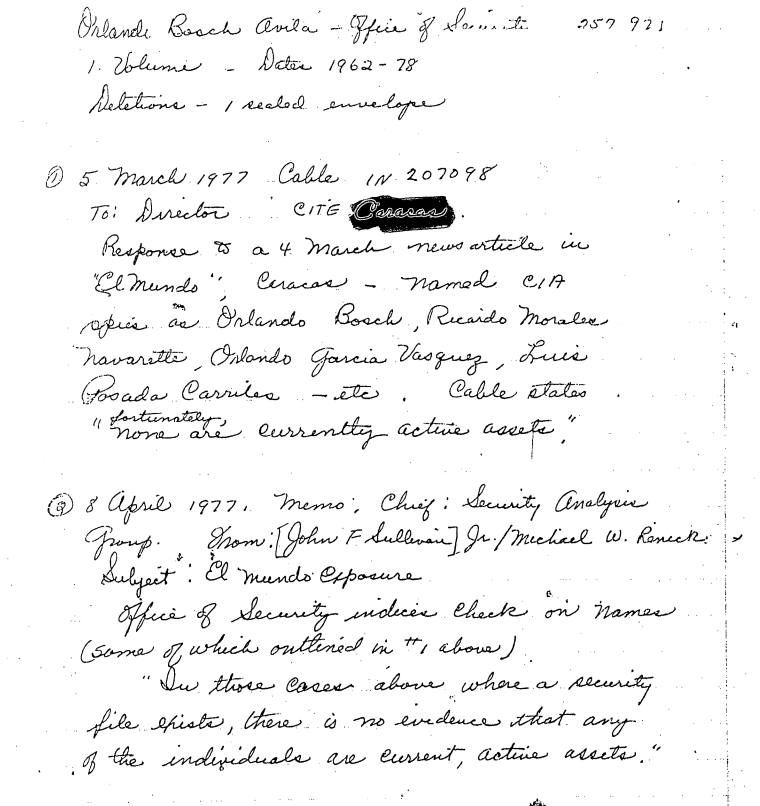


 Escritos Críticos
Debe estar conectado para enviar un comentario.