The native peoples encountered by Jesuits and other explorers in North America always laughed at the ideas of the colonists (the quote is a personal synthesis of several documents):
“You say you are free, and yet everything you do, you do out of obedience to your kings, your captains, your shamans, your husbands…”
If the leaders failed to convince their people in their assemblies, the people and even individuals simply withdrew and disobeyed. The same was true of women with regard to their men. Women and warriors had the right to veto the assemblies’ war resolutions if they were not convinced by the arguments.
The European military, religious, and intellectuals who attended these assemblies and meetings with white people recognized that “savages” never forgot anything; no one could win an argument with them. Savages did not punish their children; they let them make mistakes so that they could learn from experience. They accepted people of any ethnicity without restriction, including Europeans and Africans. They had no prisons, because the accused had to make amends to the victim, and the shame of the sentence was already a painful punishment. The savages considered the loss of personal control due to passions to be a sign of poor education and spiritual inferiority. They were far more realistic than the European fanatics. A French Jesuit wrote that, once, when discussing the existence of hell, they argued that there could be no fire under the earth because there was no wood down there, only stones, and because fire needs air. They ended up accepting the argument of fire without oxygen when the priests lit a sulfur stone, but the idea of hell continued to be resisted by peoples such as the Iroquois, who defeated the French and British for three centuries because their social organization was superior to that of the Europeans, because they had a military defense based on cooperation and knowledge of their land, and because they did not believe the fanatical stories of earning heaven through martyrdom and suffering. They lived longer, were taller, and were healthier. They invented modern pharmaceuticals and true democracy. They had fewer wars, worked fewer days, knew no depression, and suicide was almost unknown until the white man arrived with his rum, his loss of control, and his fantastic concept of the individual. They knew tobacco, but not smoking or the addictions introduced by commercialism. Private ownership of land did not exist.
Yes, they were not saints. Yes, throughout history there have been many fanatical cultures, but few more fanatical than the one that emerged with capitalism in the 17th century. As proof, it would suffice to mention that the most destructive and fanatical dogma of recent centuries asserts that “My selfishness is good for the rest of society” and to receive in less than two seconds epidermal attacks from its fanatical defenders, especially from individuals who are impoverished and enslaved in body and soul.
We could go on, as other demonstrations of radical fanaticism that, like all fanaticism, pass for common sense: enslaving millions of people because of their color and turning them into hereditary private property. Massacring hundreds of millions of humans for the sole greed of capital, of enrichment, and doing so in the name of freedom. Even under the banner of Christianity (from the Crusades, the Inquisition, and slavery to the brutal empires that survive in different forms), turning Jesus’ idea that it is almost impossible for a rich person to enter Heaven on its head with the idea that if you are rich it is because God loves you and with dollars you can buy Paradise. Weren’t the native peoples right about the absurdity of our convictions about freedom?
Susana Groisman confessed to me her frustrations with the current government of Uruguay.
“This is not what I voted for. I voted for a party, and a group of people is governing.”
This is another aspect of the “Americanization of Europe” and “Latin America.” The first presidential election I experienced in the United States was in 2004. One of the things that surprised me most was that the candidates spoke about themselves as people, as individuals (I will…, Me, I am… I believe…) and not about the party’s program, as I was used to hearing in Uruguay: “The individual does not matter; what matters is the party’s government program.”
For better or worse, these platforms were published and distributed among the people. Although not everyone read them, at least it was a form of political contract.
I later learned that the “I” (Me, I) is only important to the Protestant culture of their voters because, in reality, those who decided and decide were not and are not the parties or the leaders (men), but the financial corporations. Almost the same thing is happening now in Uruguay and other Latin American countries, but the process has been so gradual that people have become accustomed to it without noticing the inoculation.
We saw a caricature of this in early 2026, after Washington broke all international laws by blocking Venezuelan oil, hijacking its cargo ships, carrying out summary executions of alleged drug traffickers in boats without capturing them to bring them to court (many turned out to be fishermen), and kidnapping its president on charges that Washington itself acknowledged to be false (such as the Cartel of the Suns); justifying summary executions of its own citizens by masked paramilitary groups (ICE), as in the case of Renee Nicole Good, for being (a) a provocative leftist, (b) a terrorist who insulted secret agents and then tried to flee, and (c) a lesbian and mother of three children. A day later, a New York Times reporter asked the president at the White House if there were limits to his power:
“Yes. My own morals. My own conscience. That’s the only thing that can stop me.”
All of this is the perfect description of a dictatorial regime, no longer in the plutocratic style of corporations (P=d.t), but in the more primitive tradition of the banana dictator, like in The Autumn of the Patriarch, where even García Márquez’s magical realism is expressed in the University of Texas A&M’s ban on Plato’s books for being leftist woke.
Susana responded with a question:
“So what can be done?”
The answer is the same one we have been repeating for years: (1) There is no possibility of democratization as long as power remains concentrated in the financial centers. (2) This concentration has become more radical, which we can see not only in the “Americanization of the West,” from consumerist habits to politics and education systems, but also in its final phase, where we are now entering a (3) “double Palestinianization of the world.” In other words, (4) the electoral systems of liberal democracies have contained some of capitalist neofeudalism, but they will never change it.
(5) Change will come through a massive global crisis. I understand that we are in a stage of accumulating popular pressure. We cannot say when it will happen, but a social and international explosion is inevitable.
As history proves, (8) no resistance has been sufficient to change a historical system such as capitalism, but (9) individuals do not have multiple lives to wait centuries. We cannot put an end to one of the most cruel and fanatical systems that humanity has created, capitalism, but we can reverse or limit some of its suppurations, neoliberalism and fascism.
As a consequence of the recent attack on Venezuela and the kidnapping of its president by unilateral resolution of the White House, academics, artists, and politicians from different countries are calling on the Global South to awaken to the accelerated process of “Palestinianization of the world.”
Venezuela: The cause of the problem will never be the solution
What is happening in Venezuela today is neither an anomaly nor an unexpected deviation from the international order. Nor can it be interpreted as a temporary reaction to a specific government or as an isolated episode of diplomatic tension. It is, once again, the reappearance of a historical logic that Latin America knows with painful precision: that of being treated as a wild frontier, a territory where the rules that govern the “civilized world” are suspended without scandal and violence is exercised as if it were a natural right.
Total economic blockades, confiscation of property, covert military operations, explicit threats of intervention, and kidnappings presented under a new version of the Monroe and National Security doctrines, which more closely resemble the myth of “living space” wielded by the Third Reich a century ago. These are not deviations from the international system: they are part of its historical functioning when it comes to the Global South and Latin America in particular.
What happened on January 3 marks, however, a new threshold. It was not just a reiteration of known practices, but an obscene demonstration of impunity before any law and a confirmation of the current “Palestinization of the world.” The violation of Venezuelan sovereignty, carried out without a declaration of war and publicly presented as a demonstration of power, did not suspend the international order: it declared it dispensable. Where diplomatic euphemisms, legal ambiguities, or humanitarian alibis once operated, there appeared the direct assertion that force alone is sufficient to legitimize itself. What was shown was not an excess, but a pedagogy of domination directed at the entire world. The names of governments change, ideolexics are updated, moral excuses are recycled, but the script remains intact. Latin America reappears as a space available for exemplary punishment, political experimentation, and the pedagogy of fear.
Regional history is too clear to feign surprise. Military invasions, prolonged occupations, coups d’état, proxy wars, economic blockades, sabotage, kidnappings, and systematic media demonization campaigns have accompanied every attempt at political autonomy, social redistribution, or sovereign control of resources for two hundred years. These were never isolated mistakes or correctable excesses, but rather a persistent policy, sustained by a hierarchical conception of the world that reserves full rights for some peoples chosen by Manifest Destiny and permanent exception for others.
Thinking of Latin America as a savage frontier does not imply accepting an imposed identity, but rather denouncing the imperial gaze that constructed it as such. That imperial gaze not only constructs available territories: it also produces human hierarchies. It decides which lives deserve mourning, which acts of violence deserve scandal, and which can be administered as collateral damage. The international order does not limit itself to regulating conflicts: it distributes sensitivity, legitimizes indifference, and organizes silences. That is why aggression does not begin with missiles, but with the normalization of a language that makes the unacceptable acceptable and renders invisible those who are left out of the distribution of rights. It is a view that naturalizes violence towards the global south with the complicity of its local hangers-on, that racializes conflicts and that shamelessly suspends the principles of international law when they hinder strategic interests. What in other territories would be considered a crime, an act of war, or a flagrant violation of sovereignty, here becomes a “measure,” “pressure,” “preventive operation,” or “assistance for stability.” To a certain extent, brutality has become more overt, and the old excuse of “democracy” has lost its usefulness and appeal. What remains is the defense of “freedom,” the freedom of masters and merchants, and the fear and morality of slaves.
In this sense, Venezuela is not an exception but a dress rehearsal. When a power acts in this way and faces no effective sanctions, the message is unequivocal: the exception becomes the rule. What is tolerated today as a singular case is incorporated tomorrow as an operational precedent. International law does not fall suddenly; it is emptied by an accumulation of silences. A scenario where the limits of what can be done without generating a significant reaction from the international community are tested. What is tolerated today as a singular case will be invoked tomorrow as a precedent.
None of this implies ignoring internal conflicts, discussions, profound conceptions of what democracy is or should be, or social debts, an endemic problem in Latin American countries. We cannot deny this, just as we cannot accept that these tensions enable external aggression—in fact, history repeatedly shows that these imperial aggressions and interventions have been the greatest fuel for social conflicts and underdevelopment in these countries. No internal criticism justifies an invasion. No political disagreement legitimizes the collective punishment of a people. Sovereignty is not a reward for virtue or a moral certification granted from outside: it is the minimum threshold for societies to decide their destiny without a gun on the negotiating table.
Faced with this escalation, the response of much of the international community has been silence, ambiguity, diplomatic lukewarmness, and a lack of concrete measures. This is language that does not seek to stop violence, but to manage it. Words that never name the aggressor, that dilute responsibilities and place the harasser and the resistor on the same level. Latin American history teaches us that great tragedies did not begin with bombings, but with words and excuses that made them tolerable. When aggression becomes normalized, violence advances without resistance.
Defending Venezuela’s sovereignty today does not mean defending a government or closing the internal debate. It means rejecting a logic that reinstates war as a legitimate instrument of international order based on the interests of the strongest. It means affirming that Latin America is not anyone’s backyard or front yard; it is not a sacrifice zone or anyone’s wild frontier. And it also means assuming a basic intellectual responsibility: breaking the historical amnesia before it is rewritten, once again, with the blood of others.
Because remaining silent in the face of aggression has never been neutral. When history finally speaks, it is not usually forgiving those who looked the other way. For many, this is unimportant. For us, it is not.
Signed by
Abel Prieto, Cuba Adolfo Pérez Esquivel, Argentina Andrés Stagnaro, Uruguay Atilio Borón, Argentina Aviva Chomsky, Estados Unidos Boaventura de Sousa Santos, Portugal Carolina Corcho, Colombia Débora Infante, Argentina Eduardo Larbanois, Uruguay Emilio Cafassi, Argentina Federeico Fasano, Uruguay Felicitas Bonavitta, Argentina Gustavo Petro, Colombia Jeffrey Sachs, Estados Unidos Jill Stein, Estados Unidos Jorge Majfud, Estados Unidos Mario Carrero, Uruguay Óscar Andrade, Uruguay. Pablo Bohorquez, España Pepe Vázquez, Uruguay Ramón Grosfoguel, Estados Unidos Raquel Daruech, Uruguay Stella Calloni, Argentina Víctor Hugo Morales, Argentina Walter Goobar, Argentina
In a 2007 back cover of Página12, we reflected on the ideolexical concept of beingright-wing: «Twenty or thirty years ago in the Southern Cone, it was enough to declare yourself a leftist to go to prison or lose your life in a torture session (…). Being right-wing was not only politically correct but also a necessity for survival. The assessment of this ideolexical concept has changed dramatically. This is demonstrated by a recent trial taking place in Uruguay. Búsqueda has filed a lawsuit against a senator of the republic, José Korzeniak, because it defined him as ‘right-wing…’»
Ideolexics (and, with them, ideological crystallizations) seem to show cycles of 30 years—a generation. But these cycles, beyond a possible social dynamic or psychological nature, such as “the dynamics of the four generations,” are also affected, distorted, and even determined by the gaze of empires (see “The logic of reactionary waves in Latin America”).
Differently, at the epicenter of the Empire, this ideological dynamic has longer cycles (60 years), because they do not depend on external interventions. They depend on the relative power of their ruling class—not on the ruling class of another country. In any case, laws are the expression of the power (plutocracy) or powers (democracy) of a society. In capitalist societies and, even more radically, in the plutocracies of neoliberal and neo-feudal capitalism, power lies in the concentration of money, which is why millionaires buy politicians and their corporations directly write the laws, as in the United States, or decide governments in banana republics.
Since no legal system recognizes the right of one country to write the laws of other sovereign countries, empires and supremacist governments write doctrines, such as the Monroe Doctrine and other treaties, for other peoples to obey as long as it serves the owners of the gun. But these doctrines and this re-ideologization of the colonies have always been dressed up in some sacred excuse, such as God, race, freedom, private property, or democracy. Something that, in the United States, is beginning to dry up, leaving the true reasons for its violence bare and undisguised, such as President Trump’s acknowledgment of invading Venezuela to «make a lot of money with (our) oil«―in his press conference after the kidnapping of President Maduro, he mentioned the word oil 23 times and not once democracy, which is in line with Project 2025 and neo-monarchists like Curtis Yarvin.
American imperialism stems from the Protestant, Calvinist, and privatizing fanaticism of four centuries ago, since the plundering of the “savages who attacked us without provocation” began. Today, its violent behavior of intervention and dispossession is repeated with the same nakedness as in the beginning, as when James Polk ordered an emissary to find a river in Mexico with the same name as the then border, or, if he could not find one, to name another river with the same name in order to provoke a “war of defense” against Mexico and thus take half of its territory. Trump did exactly the same thing by accusing Maduro of drug trafficking and then decreeing that fentanyl was a “weapon of mass destruction,” a decoration used for the invasion of Iraq, the kidnapping of Saddam Hussein, and the appropriation of oil.
Until then, emperors like Bush and Obama kept their tuxedos fairly well ironed. With the Tea Party and then Trump’s first presidency, being fascist, racist, and misogynistic began to be considered a source of pride. That was the beginning of “the rebellion of the masters,” fought, as in medieval battles, by faceless, nameless pawns with nothing to gain or lose except their lives.
In his early years in the White House, Trump still denied being sexist, racist, or imperialist. In his second term, he remained the same as always, but no longer hid it. At a conference in the Oval Office, the mayor-elect of New York was asked if he still thought Trump was a fascist, to which Trump said it was okay: “Tell them yes.”
Mamdani replied yes, to the president’s satisfaction.
A few years ago, we proposed the formula P = d.t, which relates power (P), tolerance (t), and diversity/dissent (d), according to which unchallenged empires have a high tolerance for diversity and dissent when their power (P) is unchallenged, and become intolerant of diversity and dissent when their power begins to decline, a relationship that keeps the equation P-d.t = 0 in equilibrium. Currently, the growing intolerance of dissent, criticism, books and courses on slave and imperial history, or the acceptance of equal rights for different ethnicities, genders, sexes, or social classes is an unmistakable sign of the growing weakness of the American Empire.
Masks and tuxedos are no longer necessary. The CIA launched its operation to kidnap President Maduro to be tried for drug trafficking three weeks after President Trump ordered the release of former Honduran President Juan Orlando Hernández, sentenced to 40 years in prison by a federal jury in the same state for drug trafficking, and 24 hours after meeting with Benjamin Netanyahu, wanted by the International Criminal Court for war crimes and crimes against humanity in Palestine.
In response to the harassment and then bombing of Venezuela (which has already cost the lives of dozens of people and will, over time, lead to more violence), the UN and several presidents have said the same thing: heartfelt statements from foreign ministries that “the US military attack sets a dangerous precedent.”
Haven’t we been setting dangerous precedents for more than 200 years? What is happening that has not happened before? (1) Imperial invasion out of greed for natural resources, only now the excuses are not important; (2) cowardly and submissive local servility; (3) timidity of the region’s leftist leaders; (4) lack of consensus in the face of the most serious violations of international law…
Is this something new? We continue to move toward the “Rebellion of the Masters” through the “Palestinization of the world” like a driver who slowly falls asleep at the wheel. This is just another chapter in a process that will become more radical.
The kidnapping of disobedient leaders is an old imperial practice. Empires have always violated the laws of others, but they were careful to do so within their own fiefdoms (which is why the Guantanamo prison is in Cuba and not in Illinois), but this too has changed. Now, the masked ICE and National Guard agents have extended the Palestinianization of the world within the borders of the United States, accustoming its population to brutality, fear, and the violation of human rights.
The reactionary conflicts of the supremacist and decadent Western empires will continue to add to the old-style interventions: invasions, coups d’état, revolts, and civil wars instigated by secret agencies (CIA-MI6-Mossad). We will continue to see a scenario of growing violence by the United States and Europe-Israel in their backyards—Latin America, Africa, and the Middle East.
The goal is to crush the rise of China and the Global South, but this struggle will bleed the Middle East, Africa, and Latin America more than China, until China has no choice but to intervene in a massive war.
For now, Russia cares about Ukraine and China cares about Taiwan. That is why their reactions to the supremacist re-colonization of the Global South are merely symbolic.
Publicaciones de archivo: Documentos de la Casa Blanca sobre los esfuerzos de la administración Ford para bloquear las revelaciones de operaciones encubiertas de la CIA en Chile
Washington, D.C., 4 de diciembre de 2025 – Hace cincuenta años, el senador Frank Church convocó la primera audiencia pública del Congreso jamás celebrada sobre operaciones encubiertas de la CIA para derrocar a un gobierno extranjero, centrándose en el caso de Chile. Su Comité Selecto del Senado tomó esta “medida inusual”, explicó Church, “porque el comité cree que el pueblo estadounidense debe saber y poder juzgar lo que llevó a cabo su gobierno en Chile. La naturaleza y el alcance del papel de Estados Unidos en el derrocamiento de un gobierno chileno elegido democráticamente”, señaló el demócrata de Idaho, “son asuntos de profunda y continua preocupación pública. Este historial debe aclararse”. Simultáneamente, el Comité Selecto del Senado de Church para el Estudio de las Operaciones Gubernamentales con Respecto a las Actividades de Inteligencia publicó su innovador y aún vigente informe, “Acción Encubierta en Chile, 1963-1973”. Basado en el acceso a registros operativos ultrasecretos de la CIA, este estudio de caso sin precedentes de 62 páginas reveló que “la participación encubierta de Estados Unidos en Chile durante la década de 1963 a 1973 fue extensa y continua”, con la intención de impedir que el líder socialista Salvador Allende fuera elegido presidente y, tras su elección, desestabilizar su capacidad de gobierno. Al considerar futuras directrices para operaciones encubiertas, el informe concluyó que “dados los costos de la acción encubierta, solo debería recurrirse a ella para contrarrestar amenazas graves a la seguridad nacional de Estados Unidos. No está nada claro que ese fuera el caso en Chile”. La publicación del informe durante la audiencia sin precedentes de dos días sobre operaciones encubiertas en Chile “marcó un hito histórico en los esfuerzos del Congreso para exigir a la CIA que rinda cuentas ante los principios y valores del pueblo estadounidense”, según el analista del Archivo, Peter Kornbluh.
En el 50.º aniversario de la audiencia y la publicación del informe, el Archivo de Seguridad Nacional publica una selección de documentos previamente desclasificados que documentan los esfuerzos de la administración Ford para obstruir la investigación del Comité Church e impedir una audiencia pública sobre el papel de la CIA en el derrocamiento del gobierno de Allende. Las iniciativas del Congreso de hace 50 años generaron un amplio debate sobre la pertinencia de los intentos clandestinos de cambio de régimen, y las recomendaciones del comité de restringir estrictamente dichas actividades siguen vigentes hoy en día, dado que el presidente Trump ha autorizado a la CIA a realizar operaciones encubiertas en Venezuela con el objetivo de derrocar al gobierno de Nicolás Maduro.
Documentos
Washington D. C., 4 de diciembre de 2025 – Hace cincuenta años, el senador Frank Church convocó la primera audiencia pública del Congreso sobre las operaciones encubiertas de la CIA para derrocar a un gobierno extranjero, centrándose en el caso de Chile. Su Comité Selecto del Senado tomó esta «medida inusual», explicó Church, «porque el comité cree que el pueblo estadounidense debe conocer y poder juzgar lo que llevó a cabo su gobierno en Chile. La naturaleza y el alcance del papel de Estados Unidos en el derrocamiento de un gobierno chileno elegido democráticamente», señaló el demócrata de Idaho, «son asuntos de profunda y continua preocupación pública. Este historial debe aclararse».
Simultáneamente, el Comité Selecto del Senado de Church para el Estudio de las Operaciones Gubernamentales con Respecto a las Actividades de Inteligencia publicó su innovador y aún relevante informe, «Acción Encubierta en Chile, 1963-1973″. Basado en el acceso a registros operativos ultrasecretos de la CIA, el estudio de caso sin precedentes de 62 páginas reveló que «la intervención encubierta de Estados Unidos en Chile durante la década de 1963 a 1973 fue extensa y continua», con la intención de impedir que el líder socialista Salvador Allende fuera elegido presidente y, tras su elección, desestabilizar su capacidad de gobierno. Al considerar futuras directrices para operaciones encubiertas, el informe concluyó que «dados los costos de la acción encubierta, solo debería recurrirse a ella para contrarrestar amenazas graves a la seguridad nacional de Estados Unidos. No está nada claro que ese fuera el caso en Chile».
En el 50.º aniversario de la audiencia y la publicación del informe, el Archivo de Seguridad Nacional publica una selección de documentos previamente desclasificados que registran los esfuerzos de la administración Ford para obstruir la investigación del Comité Church e impedir una audiencia pública sobre el papel de la CIA en el derrocamiento del gobierno de Allende. Las gestiones del Congreso hace 50 años propiciaron un debate a fondo sobre la pertinencia de los intentos clandestinos de cambio de régimen, y las recomendaciones del Comité de restringir estrictamente dichas actividades siguen vigentes hoy en día, dado que el presidente Trump ha autorizado a la CIA a realizar operaciones encubiertas en Venezuela con el objetivo de derrocar al gobierno de Nicolás Maduro.
Obstáculos al Comité Los documentos publicados hoy reflejan la estrategia de la administración Ford de obstruir al comité del Senado, así como a un comité especial de la Cámara de Representantes liderado por el congresista Otis Pike (demócrata por Nueva York). Cuando los investigadores del Congreso solicitaron cables del Departamento de Estado que datan de entre 1964 y 1970, Kissinger ordenó a sus asesores que dijeran «No», según una transcripción secreta de una reunión de personal del 14 de julio de 1975. «Transfiéranlo a la Casa Blanca y que la Casa Blanca lo rechace, y yo me encargaré de que la Casa Blanca lo rechace», ordenó. Durante meses, la Casa Blanca, la CIA y el Departamento de Estado retrasaron su respuesta a múltiples solicitudes del Comité Church, alegando falta de personal. En realidad, como admitió posteriormente el director de la CIA, William Colby, «la Casa Blanca nos dijo que no cooperáramos. Simplemente no querían entregar documentos».
Finalmente, la CIA llegó a un acuerdo con el Comité Church para permitir a los investigadores revisar documentos ultrasecretos de la CIA, a cambio de acceso anticipado a los informes del Comité. Sin embargo, la Casa Blanca siguió acogiéndose al «privilegio ejecutivo» sobre memorandos y resúmenes de reuniones cruciales del Consejo de Seguridad Nacional (NSC) y de la Casa Blanca. Se ocultaron documentos reveladores relacionados con una reunión crucial del NSC el 6 de noviembre de 1970, tres días después de la investidura de Salvador Allende, incluyendo las notas manuscritas de la reunión del director de la CIA, Richard Helms, quien registró la declaración del presidente Nixon durante la reunión del NSC («Si hay una manera de derrocar a Allende, deberíamos hacerlo») y la explicación detallada de Henry Kissinger al presidente Nixon sobre por qué Estados Unidos necesitaba socavar al presidente chileno. Kissinger también ocultó al Comité la existencia de sus «telcons»: transcripciones de sus numerosas conversaciones telefónicas con Helms, Nixon y otros funcionarios estadounidenses, que habrían revelado su papel como principal artífice de los esfuerzos estadounidenses para impedir que Allende asumiera el cargo y gobernara con éxito. La CIA ocultó al Comité registros clave que habrían revelado pagos de 35.000 dólares para silenciar a los asesinos del general René Schneider, comandante constitucional de las Fuerzas Armadas chilenas, para ayudarlos a huir del país tras el asesinato y asegurar el encubrimiento del papel de la CIA en el impactante crimen político.
Para Inderfurth, la evidencia descubierta en la innovadora investigación del Comité Church sigue siendo relevante para las operaciones encubiertas de la CIA que el presidente Trump ha autorizado en Venezuela. «Antes de proceder», recomienda, «el presidente y sus asesores deberían revisar el informe del Comité Church sobre ‘Acciones Encubiertas en Chile’. Las cosas no salieron bien, sobre todo para los chilenos que vivieron bajo la brutal dictadura del general Pinochet durante casi dos décadas. Pero también para la reputación de Estados Unidos como ‘modelo de democracia'».
As the Senate Select Committee led by Senator Frank Church moves to release its initial reports on CIA covert operations, the Ford White House gears up to oppose the Committee’s efforts. As President Ford considers his options, his counselor, Jack Marsh, advises him on various opinions of top U.S. officials, including Attorney General Edward Levi who “is of the view that you should weigh carefully a decision of this type where your position can be attacked by partisans as cover-up.” Marsh provides Ford with initial details about how the administration would attempt to impede the Church Committee plans for a public hearing on covert operations in Chile, including by preventing former CIA officials from testifying on classified operations in an open hearing. Marsh recommends “that you not agree to the participation of Administration witnesses in an open hearing.”
In this “issue for decision” memo, drawn almost word-for-word from a memo from CIA Director William Colby for President Ford, his White House legal counsel Jack Marsh advises him on the pros and cons of opposing the first open hearing on CIA covert regime change efforts. “1. It would establish a precedent that would be seized on by the Congress in the future to hold additional open hearings on covert action. 2. It would have a shattering effect on the willingness of foreign political parties and individuals to cooperate with the U.S. in the future on such operations.” Marsh notes that Chilean political leaders assisted by the CIA over the years might be identified, such as former President Eduardo Frei, “whose election in 1964 we contributed to and whose tacit participation in coup plotting in 1970 may be divulged.” If, however, the White House and CIA cooperated with the Church Committee on the hearings, the White House could seek to protect its sources and assets in Chile and “avoid further charges of ‘cover-up’.” Ford checks the option to “oppose open hearings.”
This draft memo to President Ford elaborates on the dangers to CIA operations in Chile and elsewhere in the world if the Church Committee publishes its report on “Covert Action in Chile.” The staff study “is a detailed revelation with specifics,” Ford is advised. “It exposes intelligence sources and methods… It identifies political parties, government entities, media, private organizations and individuals with whom the United States collaborated in a clandestine, confidential relationship. It cites the amounts of money authorized, the recipients, the purposes and the results.” The memo concludes that to “allow the Committee to carry out its intentions to publish and to hold public hearings on covert actions in Chile is unthinkable.”
NSC officials respond to an advance draft of the Church Committee report on Chile. “We have reviewed the Church Committee Staff Report on Covert Action in Chile 1963-1973 and concur most strongly in the CIA position that this material should not be published and should not be discussed in public session,” the memo, drafted by NSC aide Rob Roy Ratliff, advises. Public debate over the wisdom of covert operations in Chile and elsewhere, the NSC argues, would provide adversaries with ammunition “to destroy for all practical purposes any U.S. capability to conduct covert operations…” The memo concludes that “if we are going to fight against release of classified information which would damage our foreign policy and national security interests, this is the time.”
The CIA’s special counsel, Mitchell Rogovin, drafts a memo for the White House outlining a possible compromise with the Church Committee which CIA Director William Colby has worked out during “an informal dinner hosted by the DCI” on November 5 with Senators Frank Church and Charles Mathias (R-MD). Among other points, the Committee would agree to work with the CIA to delete names of CIA agents, foreign officials and organizations, and agree that, besides Chile, “no other covert action would be made the subject of a public hearing or public report.” The proposed compromise, Rogovin asserts, “limits the exposure of covert action to one country,” Chile. Indeed, four other Church Committee case histories—on Congo, Indonesia, Laos and [add country]—remain secret, a half century after they were written.
In this letter, Senator Church advises the CIA director that the Select Committee will hold a two-day hearing on covert operations in Chile on December 4 and 5, 1975. Colby is invited to testify and presents his argument for why the hearing is important: “The Committee is of the view that it is necessary to set the records straight and educate the public on vital questions concerning the use of covert action in a democratic society,” Church writes. “In all frankness, I must say that it is my view that it would be a disservice to the public and perhaps to the Central Intelligence Agency itself if you should forgo this opportunity to speak to these issues.” But Colby declines to participate in hearing.
In this short note to White House counselor Jack Marsh, the CIA writes, “We believe that no CIA participation in open hearings on covert action should be our position.”
On Friday, October 31, at his Arabian residence in Florida, President Trump hosted a Great Gatsby-style party for millionaires—before the Great Crash of 1929. While 42 million people did not know what they were going to eat due to the government shutdown (socialism always fixing what capitalism could never solve), Daddy Trump served up the spectacle of a young woman in a bikini inside a huge champagne glass.
On Tuesday of the following week, there were gubernatorial elections in two states and a momentous election in California, which will have an impact on the House of Representatives in Washington for the 2026 elections. All three elections were Democratic victories. In New Jersey and Virginia, two women won, much to the fury of the White House. As the pathological narcissist that he is, Trump declared after the defeat:
“The government shutdown and the fact that I wasn’t on the ballot were the two reasons Republicans lost the election.”
However, the most important victory was that of the New York City mayoralty. A Democratic candidate winning the New York election by more than 50 percent of the vote would not be significant if the winner were not Zohran Mamdani.
These elections had the highest turnout in a mayoral election since 2001.
Mamdani won despite corporations flooding the coffers of his Democratic rival, Andrew Cuomo, who had been defeated months earlier by Mamdani himself in the primary election. The former governor was supported by Trump and Elon Musk. Musk had mocked the Muslim’s socialism, who had proposed that city buses should not charge fares.
Mamdani not only reminded him that Cuomo had given Musk hundreds of millions in tax cuts, more than it would cost to provide free public transportation for workers, who are drowning in low wages and $3,000 rents.
More than significant, the symbolic (psychological and ideological) importance of Mamdani’s victory outweighs any concrete fact. From the perspective of identity politics, which has dominated the political circus in the United States since at least the late 1990s, many have pointed out with both appreciation and contempt his status as a 34-year-old immigrant from Uganda, a Muslim, and the son of a professor and a film producer from India.
In the ideological arena, Mamdani openly identified with socialism and unhesitatingly with human rights in Palestine and against the genocide in Gaza. Despite being in the midst of an election campaign, he said that if Netanyahu set foot in New York and he was mayor, he would order his arrest. The powerful Zionist lobby opened its coffers, but a large proportion of New York Jews (39 percent) who believe that Israel has committed genocide in Gaza supported Mamdani’s candidacy.
The “danger of bad examples” (that is, any example other than orthodox capitalism) has been central to the obsession of US foreign policy makers for many generations, based on demonizing and blocking any possible alternative in the Global South, from Lumumba in the Congo and Allende in Chile to Muammar Gaddafi in Libya.
If there is one thing Mamdani is not, it is politically timid, ideologically ashamed, or morally cowardly. He has confronted the man most feared by friends and foes alike, President Trump, with a self-assurance that will set the much-feared example of how the left must confront the kleptocratic advance of neoliberal privatizers: without currying favor, without asking permission, head-on and without makeup.
“If anyone can show Donald Trump defeated,” Mamdani said on TV, “it is the city that saw him born… So, Donald, since I know you’re watching this, I say to you: turn up the volume and listen.”
Mamdani broke the mold. Bernie Sanders supported him when he no longer needed moral support. Days before the election, Obama—who for years dodged all of Trump’s attacks with jokes and silence—called him to offer his advice if he won the NYC government.
Mamdani’s proposals are concrete and clash head-on with dogma: a return to taxes for millionaires (now multi-billionaires) to finance basic works and services that New York urgently needs; rent control; construction of public housing; creation of public supermarkets in every neighborhood; creation of public daycare centers; raising the minimum wage for workers; protection of labor and union rights; among other measures, for which he will need allies in the City Council and the State Congress.
Not only Trump, but the system itself feels compelled to block the heart of capitalist financial power. Trump promised it, but it will be more difficult than doing so with a colony or a banana republic.
The difference has always been that all these threats against the “bad example” were crushed without any ethical, moral, or legal restrictions. Now that this example comes from within the very heart of capitalism, the home of Wall Street, it becomes a bigger and more difficult problem to deal with.
Washington cannot bomb New York. Trump is left with the classic options: before the elections (as in Argentina), he threatened to block federal resources—even though New York, like California, subsidizes the conservative states of the South—the old policy toward countries like Cuba and Venezuela.
The second option is a military invasion, in the style of the banana republics before World War II or the Dominican Republic (1965), Grenada (1983), or Panama (1990). Although this option seems unthinkable, there are always shortcuts. We must not forget that the militarization of Chicago and Los Angeles was only a trial run and, above all, an attempt to proceed with the old strategy of accustoming a population through gradual doses of something that, if done abruptly, would not be tolerated—creeping normality.
The third option that should not be off the table for strategists is the classic Cold War option: destabilization of a democratic government and removal of the leader by a coup d’état.
Mamdani cannot run for president because of his birth. But it is becoming clear that the two most important young figures in the dominant parties, J.D. Vance and Mamdani, represent two extremes not seen in more than a century. Mamdani’s election is likely to be the turning point that many of us have been waiting for over the last two years.
The story could unfold as follows: in November 2026, the Democrats regain both houses of Congress. Calculations indicate that it is unlikely that the Democrats will achieve a majority in the Senate in 2026. If this miracle were to occur (an event that would alienate some Republicans, as we saw in the case of Palestine), in 2027 they could impeach a president who is no longer in full physical and intellectual possession of his faculties. Unlikely because, to remove the president from office, two-thirds of the Senate would be required. Unlikely, but not impossible.
If the improbable were to happen (something common in history), that same year we would witness two possible opposite outcomes: impeachment and a more direct militaristic or dictatorial reaction from the White House, followed by a major conflict.
One evening in 1997, I disembarked from a small wooden boat on an island in the Indian Ocean between Quisanga and Pangane, Mozambique. I was accompanied by the renowned author of Mozambique: The Revolution Under Fire (1984), now retired from the Open University in England. Joe was a renegade American, author of several books and articles against apartheid in South Africa. I had met him in the most inaccessible province of Mozambique, Cabo Delgado, thanks to the globetrotter Nevi Castro and after sharing a few dinners with Ntewane Machel, son of the founding father of Mozambique, Samora Machel (who died in another of those mysterious plane crashes of the 1980s), and Graça Simbine, who months later became Nelson Mandela’s wife.
After a hundred moves, I have lost my notes, but something remained in my second book, Critique of Pure Passion, 1998. I also remember the names, with the freshness of youth: Ibo Island, Matembo, Qurimba…
On different islands we were greeted by the explosive joy of the children.
“Que crianças tão simpáticas,” Joe, who spoke perfect Portuguese, commented to me.
“Sim,” I replied. “Simpáticos e bastante inteligentes. Cumprimentaram-nos com ‘Bem-vindos, estúpidos homens brancos’.” (“Friendly and quite intelligent. They greeted us with ‘Welcome, stupid white men’.”)
In my notes, I tried to reflect on the fact that these expressions did not mean (I did not feel them to be) an insult, as it might mean if we called them “stupid blacks,” as Theodore Roosevelt wrote. In that case, it would be confirmation of racist and colonialist oppression. The conclusion was quite obvious: there was a clear disproportion of power. The children’s insult (which, moreover, was meant as a joke) was a counter-narrative of resistance. The expression “stupid white man” (which, purely by coincidence, was later used by Michael Moore in one of his documentaries, “Stupid White Men,” in 2001) barely qualified as cultural resistance. As individuals, we were very well received. Currently, there is no translator or dictionary from Makua (or Macua, a variation of Bantu) to Spanish, but from what I remember of my workers at the Pemba shipyard, from whom I learned some Macua and Maconde, it sounded like “nkuña nuku.”
Surrounded by marijuana fields (zuruma) that the natives neither consumed nor trafficked, we had long conversations. Joe knew more about Latin American politics than I did, a newly graduated architect and amateur writer who, like any writer, had arrived in Mozambique with my own prejudices. Like almost any Uruguayan, he detested racism, but he was convinced that he had a lot to teach my workers about construction technologies. I left something behind, stories that are irrelevant, but when I left, hiding my tears, I had been humbled: the poorest natives had taught me that there is something about happiness that we Westerners do not know, cannot know, and do not want to know.
Let’s jump across the Atlantic and almost a third of a century. On October 29, 2025, during an event organized by Turning Point USA (a right-wing political organization founded by influencer Charlie Kirk at the age of 18 to “promote the principles of free markets, limited government, and individual liberty”), the Vice President of the United States stated: “When the colonists arrived in the New World, they found widespread child sacrifice.” Abolishing this monstrous practice was “one of the great achievements of Christian civilization.” Vice President J.D. Vance was the same person who said, at another conference, that “teachers are the enemy.”
Not only is the term New World a gross Eurocentric distortion, but the claim about human sacrifices in North America is a confusion of rituals of some Mesoamerican peoples, usually chronicled by conquering soldiers such as Bernal Díaz del Castillo who sought to justify not only the conquest but their own methods based on violence and cruelty. Del Castillo was a semi-illiterate soldier, author of Historia verdadera de la conquista de la Nueva España (The True History of the Conquest of New Spain), published in 1632. The famous letters of Hernán Cortés that precede it are a historical confession of the terrorism applied in the conquest of the “barbarian peoples.” When Father Bartolomé de las Casas appeared with a counter-narrative, he was discredited and diagnosed with mental problems a few centuries later.
This horror rivals the brutality that was practiced in Europe at the time against children and adults. Tortures such as sitting a person accused of heresy naked on a sharp wooden pyramid (Judas Chair) or torturing and executing people in public squares as rituals of political-religious power were not only common, but are much better documented—and at the same time ignored. This political-religious fanaticism left tens of thousands of witches executed as a popular spectacle. But the only horror is always the horror of others.
In contrast, Native Americans used to educate their children without resorting to physical punishment, a method that we Americans inherited from European cultures and which, until not long ago in schools, was summed up as “spare the rod and spoil the child.” Not to mention brutal child labor, which was abolished by law less than a century ago thanks to union and feminist struggles in the United States, which took more than half a century to become law (Fair Labor Standards Act, 1938). Not to mention the sexual abuse of minors, which until recently did not even exist as a legal concept, as the practice remained in the shadows. What’s more, until shortly before the turn of the 20th century, the sexual abuse of minors had to be challenged by resorting to laws prohibiting animal cruelty.
In the cultural production of past centuries, and especially in the 20th century, as was the case with commercial novels and Hollywood films, the conquered were radically dehumanized. Even in decent films such as The Mission (1984), which defend the natives (Guaraní), they are always portrayed as naive, as “noble savages,” as passive supporting actors suffering the conflicts of the conqueror, the white man, and the European empires. The natives are depicted as toothless, while the Europeans have white smiles, when in reality it was exactly the opposite, since it was the civilized Europeans who had an aversion to hygiene, not the savages.
Popular culture has fossilized several myths, such as: “the natives were naive and superstitious”; “the natives blindly followed their chiefs”; “today we have democracy and cell phones thanks to the West.” “If Columbus had never discovered America, we would still be jumping around a campfire, half-naked and with feathers on our heads.”
When the expropriators did not invent fantasies about the evil and inferiority of others, they accused without seeing the beam in their own eyes. For example, one of the Jesuits who described his experiences in North America with greater objectivity wrote: the natives “invent different stories about the creation of the world.” (Joseph de Jouvancy. Relations des Jésuites contenant ce qui s’est passé de plus remarquable dans les missions…, Vol. 33, 1610-1791, p. 286.)
Now, tell me how we stupid white men have evolved—including here squires and sepoys who are white only in name. The answer usually focuses on technological evolution, which has been overwhelmingly based on thousands of years of civilizations, now marginal, of “stupid blacks.”
(This is an automatic transcription of a radio interview, so it may contain some errors.)
Nora Veiras: Well, we are in contact with the journalist, essayist, and university professor Jorge Majfud, who lives in the United States, and to analyze a bit the situation that erupted following the attack by the Hamas Group on Israeli territory, the Israeli response beginning with the declaration of war and the bombings that have now been ordered across the entire Gaza Strip. Good afternoon, Jorge, Nora Veiras here, how are you?
Jorge Majfud: Good afternoon, Nora, very well here. Well, Jorge, how do you see this escalation of the conflict in the Middle East, this surprise on Israel’s part, which evidently did not expect an attack of this nature, and the reaction to this from the State of Israel itself and its allies around the world? Well, a personal reading is that it is the only new thing in this whole long 75-year conflict is that attack, quite―so to speak―effectively coordinated, which has cost hundreds of lives on both sides; that’s the only new thing. Now, we can think, or we can see, if we compare it to 9/11, that for me it is very difficult to believe that the most militarized, most heavily monitored, the most brutal border in the world, would be breached in that way, not only by rockets, but that it was directly penetrated almost in a relatively easy way. For me, that Mossad didn’t know about it is the same as being told that the CIA didn’t know about 9/11, about the Twin Towers; it’s the same thing. Now, we can also speculate that it has the same motivations and consequences also. In fact, the motivation, according to the 2007 WikiLeaks, had already been put forward by the Israeli side, that they wanted Hamas to take control of the Gaza Strip government, and they stated that directly in an e-mail, saying that it was a way to be able to declare war on Gaza as a hostile entity. That is, that’s the only new thing we see in a very, very long one, which we have already seen decades ago in the same story, and I, who also walked around there in the 90s on foot, from one side to the other, see that it’s getting worse and worse. And who is benefiting from this? Well, the same ones as always, those who make a lot of money or who have other interests based on these kinds of international conflicts.
Nora Veiras: Now, specifically, several things regarding what you’re saying. On the one hand, the far right―the coalition that, let’s say, supports Netanyahu in Israel―had been undermined by massive mobilizations against the policies it pursues, and even by the very corruption allegations against Netanyahu. And in that context, this attack obviously ends up rallying the population, it seems to me, in defense of the State, in the face of such a brutal external attack, and the brutal reaction that the State of Israel is also carrying out, right?
Jorge Majfud: Yes, international conflicts are a fantastic rallying force. They raise hatred, raise fears, and we’ve already seen that for centuries. Recent wars too, from the Iraq war to the one in Ukraine. That brings an entire population together on one side and the other, and that is very convenient For those leaders who, as in Netanyahu’s case, were being strongly challenged from a legal point of view and from a political point of view, because of the political changes they had enacted that had taken place, which were resisted by, as you said, massive popular mobilizations. And they still are, of course, but war generally silences those voices and strengthens the leader. And how do you imagine the conflict evolved? Because now we are at the stage, I think at the climax of this reaction, and now also the threat from the same groups in Gaza, threatening to escalate Hamas’s offensive if the bombings against the Gaza Strip continue. There are cards to play there, on both sides. Israel is besieged in Gaza, well, it has always lived under siege, but in In the past few hours, the electricity―everything has been cut off. In many places, when there is conflict, the population flees. Israelis have been fleeing to the airport. In the case of the Palestinians of Gaza, they have also been fleeing, but to nowhere, because they cannot go to any other place. Other factors are the kidnapped, or the prisoners held by Hamas, who number around 150 or 180, and who may also be, or are going to be taken as bargaining chips, and will probably execute some, or who knows―they are also being bombed by Israel; civilian buildings continue dying and are going to keep dying. Now, what I see is that there are two, if we look at possible future changes, we have to consider two major poles. One pole consists of those who, for some, as for motive, are interested in international conflict. Generally, it’s a power elite, whether economic, military, or whatever, on one side or the other. And the other side is, what do the populations think, especially the populations of those superpower countries. And if we take a look at the United States, for example, we see that the Jewish population of the United States has always been predominantly Democratic, but not the most affluent, obviously. We are talking about the middle class and below. It has always been Democratic. And the general population of the United States, as of a year or two ago, has leaned, in my opinion–I’m talking about Democrats–more in favor of the Palestinians than of the Israelis. Now, if we look at what American Jews think, 58% of American Jews support restrictions on U.S. military aid because they consider that this serves to expand settlements in the West Bank. A third of them is in agreement in saying that Israel is a racist state… And 25 percent consider it an apartheid. That’s how Miriam Bregman put it in yesterday’s debate. She summed it up, I found it quite fitting, because it always seems you have to make it hurt for one side and not the other, and there is a need to explain that we are all against it, decent people, that any innocent death is regrettable, but it seems you have to explain it. And she puts it into a sentence; I have the sentence here, she says, ‘we feel pain for the victims who occur in a conflict,’ very well summed up, there’s no need to explain it. Moreover, it is obvious ‘that they are based on the State of Israel’s policies of occupation and apartheid against the Palestinian people.’ Period. They summed it up perfectly in a single sentence. And I already think that they have some authority to say these things. And many others, even American journalists, sorry, Israeli journalists, who have very bravely criticized the policies. It is not a question of Jews or non-Jews, of antisemites or non-antisemites, which is sometimes mixed into the issue, but fundamentally, one must not forget that there is a strong Israeli policy that is not Judaism, it is not the population of Israel, although many support it; it is a clear policy. And the press simplifies by saying that it is Israel against Hamas. The Palestinian cause does not exist for the mainstream press global. When it’s the war between Russia and Ukraine, it’s all of Ukraine against Russia. It’s not a group within Ukraine that’s in conflict; it’s not NATO, rather, it’s an entire people. That is, the language of the headlines themselves simplifies and dehumanizes terribly. That is, that they are the children who for decades have been dying in the West Bank and in Gaza; they are Palestinians for a Palestinian cause, for a Palestinian reason, and the word Palestinian practically doesn’t appear. It’s simply terrorist groups terrorists. It’s dehumanization that has a long history.
Nora Veiras: We are speaking with Jorge Majfud, writer, journalist, essayist, a Uruguayan based in the United States, a professor in the United States. Now, Jorge, you say, well, this is a conflict that has had terrible episodes, cyclically, for 75 years. In this case, it lays bare the violation, the vulnerability, or, well, the suspicion regarding that vulnerability that terrorist groups directly entered and committed massacres on Israeli territory. Now, faced with this climax in the situation, Israel’s response is, obviously, to declare war with the same logic they had been following. Do you think there could be any opening for dialogue, or is this a crescendo and we have to see what Iran does and where the weapons that Hamas had at its disposal came from, and the weapons the United States sends, and the triangulation of weapons that occurs through trafficking via the arms that reach Ukraine? Is the complexity you see someone who can try to steer a negotiation out of this crescendo?
Jorge Majfud: I think the big players, the leaders of the great powers should have the primary responsibility. And as for the weapons, of course, and if the Palestinians don’t have an army, then everything they do in self-defense will be considered terrorism and illegal. Although the UN, in the 1982 resolution, recognizes that every people has the right to use even armed violence when it is under oppression or for racial reasons, etc. That is to say, it is a right and it is recognized by the UN, but what is the negotiation here? We’re talking about a military superpower with a population of millions of people, just in Gaza two and a half million, as the journalist calls it Israeli Gideon Levy, an open ghetto, an open prison, the largest in the world and without an army, therefore with absolutely no deterrent power. And on the other side, an entity with atomic weapons and much more advanced military power. So there is no negotiation between equals. An intervention is necessary by several superpowers that come to an agreement and obviously invite the parties involved, because otherwise we’d be left with the old colonial recipe of others solving it for them. But they will not resolve that among themselves, and if they do resolve it they will resolve it in favor of the more powerful, as always.
Nora Veiras: In the United States, what have been the initial reactions of Democratic and Republican leaders to these new escalations?
Jorge Majfud: Well, basically the same as always. Leaders–politicians, generally – have a particular position that is quite different from that of their voters. And it’s what I said at the beginning: their voters’ opinion is changing much faster and in an accelerated way than that of political leaders. From Biden to Trump, more or less, it’s the same stance. That is, send the aircraft carriers, send the weapons–who are they harassing? A people who, yes, it’s true, are illegally armed, but don’t have an army; their capacity is simply a guerrilla capability, directly. It’s not an army like that of Ukraine or Russia. So I think there’s a strong split and a big war industry, as well as the war in Ukraine, and losing wars, has always been so beneficial to the war industry. The same sort of thing happens, but it is always innocents on both sides who end up providing the bodies and the blood. So politics is not based on any morality, only on interests and rhetoric. So, to return to your question, the political position is predictable, as it was in yesterday’s debate in Argentina. Everyone repeated the same speech: some are terrorists, some are terrorists, and the others―what are they? In other words, planting bombs underneath is terrorism; dropping them from the sky is defense of the State and the Nation. It is not terrorism to kill innocents? Killing innocents is always terrorism, no matter whether legal or illegal weapons are used. or with legal weapons. And in this case it must be acknowledged that there is a people without rights, a set of rights completely suspended, and another that has far greater capacity to respond and has institutions, has police, has an army, etc. So they cannot resolve that among themselves. If 75 years have already passed, another two centuries will continue to pass in this situation. There are two options on the table: one is two states and the other is one state. Well, I don’t know what the solution is and besides I’m not the least qualified to comment on that, but the great leaders to take a moral initiative rather than one based on interests, and that will arise when the peoples begin to pressure. At the moment there is no pressure. It is true that the majority of the street demonstrations in all countries are in favor of the Palestinians, but that doesn’t serve as significant pressure to, say, get the four or five major superpowers to get together and agree to resolve this, and each side has to give up something, like in any negotiation.
Nora Veiras: Thank you very much. Jorge Majfud, writer and essayist, for this conversation with The 750.
Jorge Majfud: Well, a hug. Thank you very much for calling.
The defenders of the genocide in Palestine argue that it is not a genocide and, moreover, that there have been other genocides equal to or worse than this one in the recent past. From dehumanizing the victims massacred under bombs or executed daily with absolute impunity, they move on to threatening and criminalizing their critics. The traditional instrument is to accuse them of anti-Semitism and then place them on blacklists so that they lose their jobs or are expelled from their countries of residence, as has happened multiple times.
One of the extortion services, apart from the almost infinite resources of the CIA and Mossad, consists of various harassment archives, such as the most recently recognized by the U.S. government, the doxing Canary Mission (in this case, to criminalize students and professors critical of Israel), and a plurality of actions that one day will be more fully detailed through leaks or declassification of documents, as usually happens and in which we will discover names, both of critics and activists listed for extortion and civil death, as well as mercenary and honorary collaborators, those who volunteer to punish honest individuals through the greatest powers in the world, because their mediocrity and cowardice never allowed them to do so on their own merits—some of whose names we already know.
Of course, there have been other genocides in history. In the case of the Modern Era, the majority and the worst genocides that added up to millions of victims intentionally or systematically suppressed had the great Northwestern empires as perpetuators or principal allies. On this, we have written years ago.
Let us take, for example, one of the worst genocides of the last generations, the genocide in Rwanda. Over three months, the Rwandan Hutu militias, protected by the government under Jean Kambanda, massacred the Tutsis and even some members of their own Hutu ethnicity caught in between. As it could not have been otherwise, this genocide was encouraged and directed by the far-right ideology known as Hutu Supremacy, which considered themselves racially superior to the Tutsis and, consequently, deserving to eliminate them from the face of the Earth. As a way to justify their ancestral right to the land, the Hutus relied on myths about the existence of a Hutu people in Rwanda before the arrival of the Tutsis from Ethiopia. Later, they imposed apartheid in the country’s major state institutions, such as education and the military. Then they criminalized any Hutu who was friends with a Tutsi or dared to defend their humanity. Studies on these Bantu peoples indicate genetic and ethnic differences that are irrelevant when compared to the rest of the neighboring peoples.
In May 1994, the UN imposed an arms embargo against the supremacist and genocidal government of Kambanda and his Defense Minister Théoneste Bagosora. This embargo was violated by the governments of France and apartheid South Africa in its final months of existence. In June, coinciding with Nelson Mandela’s rise to power in South Africa, the UN blue helmets entered Rwanda, and the genocide ended in less than a month. Years later, Bill Clinton regretted not having done anything to stop this genocide, even though interventions from Washington, like those from Europe, never asked anyone for permission. In fact, he did do something: the UN Security Council ordered the withdrawal of its peacekeeping forces before the genocide, and Washington refused to use the word «genocide» while the genocide occurred unrestricted and despite protests from various humanitarian groups worldwide, including military figures like Canadian General Roméo Dallaire.
Approximately half a million Tutsis were killed with the intention of annihilating them as a people or removing them from their lands for the benefit of the dominant ethnic group. That is, a number roughly equivalent to what has been estimated in the case of Palestine in recent years alone, not even going back to the first Nakba from 1946 to 1948 and the constant war against Palestinians in Palestine that, since then and without cease, has left an average of 1,500 Palestinians dead per year, apart from those dispossessed of their lands and human rights by armed settlers, and apart from those kidnapped by the Israeli military itself, including thousands of children.
The difference between the genocide in Gaza and other genocides where hundreds of thousands of deaths are similarly counted is clear. Although the supremacist ideology of Hutu Power had been fermenting for many years, the genocide in Rwanda occurred over a period of three months. Neither its ideologues nor those who carried it out were preaching daily, yearly, and decade after decade in the world’s most powerful media to ensure that no one acknowledged that a genocide was being committed in Rwanda. No one in the world repeated Hutu Supremacy’s excuse that Rwanda had the right to defend itself, much less that massacring children, men, and women of all ages every day was part of that right.
Unlike the Zionists, the Hutu supremacists did not have star journalists in major channels and media outlets worldwide, commenting on the news with a Rwandan flag on the desk, justifying the violence against Tutsis and criminalizing their resistance as antibantú terrorists.
Apart from the Hutus in Rwanda, no group or church in Berlin, Atlanta, São Paulo, Buenos Aires, Lagos, or New Delhi justified the Hutus or prayed for their safety, even though they were Christians.
Prime Minister Jean Kambanda did not travel to Washington to give speeches in Congress. He did not receive standing ovations from legislators supporting his supremacist project, passing laws criminalizing defenders of Tutsi rights in the West or imposing loyalty oaths to Rwanda to hold public office or receive aid in the face of climate disasters. Kambanda was not received by every U.S. president to secure trillions of dollars in financial, military, media, and moral support.
The Hutu Supremacy did not have the most powerful lobby in the West, funded by every winning politician in the United States, nor did representatives of the people have Rwandan flags at the entrance of their offices. No one, like Senator Rafael (Ted) Cruz and so many others, declared that their primary mission in Washington was to protect Rwanda. Neither Théoneste Bagosora nor the Hutu Supremacy were unconditionally supported by the majority of European countries or by the President of the European Commission, even though Europe had killed more millions of Africans in Africa than Jews in the Holocaust during World War II and should, in the same way, feel remorse at least as profound for African peoples as for Jewish and Roma peoples.
Neither Americans, nor Germans, nor Argentinians who had Tutsi flags were arrested and beaten by the police in their civilized countries, nor were they accused of inspiring antibantú hatred, even though both Hutus and Tutsis are Bantu peoples. No U.S. president threatened from the White House to kidnap and send to a concentration camp in El Salvador everyone who criticized Rwanda because criticizing Rwanda was being anti-American.
Governors in the United States did not send communications to university professors forbidding them to use words like genocide, Tutsi, or Hutu supremacism. They did not ask students to record their professors, nor did the federal government use masked agents to kidnap students on the streets who wrote articles in defense of Tutsi human rights. Professors of Moral Philosophy or African Studies did not cancel their courses on the History of the Tutsi People or Human Rights in Rwanda out of fear of losing their jobs, whether through dismissal, contract termination violating the norms regulating their tenure, arbitrary salary reductions, or the fear of not finding employment elsewhere once dismissed. Not even South African apartheid had the power to dictate to the presidents and senators of the world’s major powers, such as Europe and the United States, what they should say and do.
The genocidaires of Rwanda did not own the largest financial capitals in the world like BlackRock, JP Morgan, or Barclays. They did not have dealings with the largest surveillance and public opinion manipulation tech companies, such as Palantir. They did not decide dozens of elections around the world, like Team Jorge. They did not possess the most powerful and lethal Secret Agency in the world, nor did they collaborate with the other two largest secret agencies globally.
Jean Kambanda was not in power for three decades but for three months, and he was tried and convicted of genocide. His ministers, military personnel, ideologues of Hutu supremacism, and journalists were also sentenced to decades in prison for genocide, crimes against humanity, incitement, or apology for genocide.
As repugnant as any other genocide, the genocide in Rwanda was neither the cause nor the consequence of a systematic Rwandanization of the world, where debate and dissent were replaced by violence and the politics of cruelty.
By the deafening harassment of power. By the blind reason of the bombers. By the triumph of racism, xenophobia, and sexism. By the prostitution of love. By the commercialization of hate. By the fear of being and feeling. By the fear of thinking differently. By the dopamine of the tribe and the taste of blood. By the manipulation of ideas and emotions. By the social engineering of hunger. By necessity as an instrument of control. By voluntary slavery. By religious fanaticism. By the indoctrination of the masses. By the illusion of individual freedom. By the sanctification of the most powerful. By the criminalization of the weakest. By the militarization of the police. By the politicization of justice. By the whip that educates the slave. By the admiration for the slaveholder. By the law of the psychopath who cannot distinguish between good and evil and replaces it with the only thing that elicits any emotion: winning or losing.
The genocide in Rwanda occurred in Rwanda. The genocide in Palestine occurs in Gaza and in every office, on every corner of every city, in every bedroom of every country.
“Uruguay aims to ‘bring some young Palestinians from the West Bank’ to train them in agriculture through a FAO program, said Lubetkin” (Channel 12, Uruguay, June 6, 2025)
On Monday, May 12, 1919, the British Minister of War, future Prime Minister and hero of World War II, Winston Churchill, referring to his own practice of gassing Arab protesters and rebels, wrote:
“I do not understand this squeamishness about the use of gas. We have definitely adopted the position at the Peace Conference of arguing in favour of the retention of gas as a permanent method of warfare (…) I am strongly in favour of using poisoned gas against uncivilised tribes. The moral effect should be so good that the loss of life should be reduced to a minimum. It is not necessary to use only the most deadly gasses: gasses can be used which cause great inconvenience and would spread a lively terror…”
Of the Hindus, he said they were animals who worshipped elephants. Consistent with this, he was directly and knowingly responsible for the famine that killed millions in Bengal in 1943, shortly before he signed an alliance agreement with Stalin in Iran to fight against Nazism.
These words from the British hero and defender of freedom and human rights, these supremacist ideas and actions were not new at the time and did not provoke any scandal. Supremacist and messianic racism, like the Manifest Destiny of O’Sullivan and The White Man’s Burden of Kipling, which in the 19th century justified and promoted the slaughter of “uncivilized peoples” and “inferior races,” were the precursors to Hitler and Nazism. Hitler plagiarized entire paragraphs from Madison Grant for Mein Kampf and thanked him for the inspiration. The popularity of Nazism in countries like England and the United States was deep and widespread, especially among wealthy businessmen and powerful politicians, until they began to lose World War II, and suddenly the Nazi criminals were just a handful of lunatics, not a complicit and cowardly mass of beautiful and superior civilized people with sudden amnesia.
A hundred years later, the history of suppressing the uncivilized, inferior races, and peoples cursed by God is a thousand times worse, and, as then, it seems like it’s not such a big deal. But the real-time information available is also a thousand times greater, so the responsibility and shame (or shamelessness) are multiplied a thousandfold.
Currently, Uruguay is one of those examples that do not quite reach the level of tragedy solely due to its military and propagandistic inability to do so much harm. Not because we are a superior people, as our government so kindly insists on making clear with its own example. Which does not exempt us from the shame of the cowardice of denial or moral wavering in the face of the most tragic events of contemporary history. Cowardice and denial from which those thousands of Uruguayans who do not tremble before the fascists of the moment are exempt, those who terrorize with total impunity from right to left—in that order.
After Uruguayan President Yamandú Orsi refused his party’s (the left-wing coalition Frente Amplio) request to define the massacres in Gaza as genocide, he defended himself by saying that his focus is on actions, not words, and that he prefers not to talk about “the war” and instead offer “concrete solutions,” such as sending powdered milk and rice to Gaza… The Israeli embassy in Uruguay labeled the Frente Amplio’s criticism of the genocide in Gaza as “expressions of disguised hatred” and warned of “dangerous consequences.” B’nai B’rith called the FA’s brief statement a “grave moral failure.”
Due to prior criticism from artists and left-wing activists regarding the wavering of their own government, the president once again tried to put out the fire with more fuel. In a new statement to the newspapers, he said he condemned the “military escalation” and that Netanyahu’s offensive “fuels antisemitism” and generates “weariness” in “important sectors” of the Israeli people.
It is quite obvious that the Zionist genocide can fuel, among other things, antisemitism, as it has always been the Zionists themselves who, for political, geopolitical, and ideological reasons, have strategically confused and identified Zionism with Judaism (like identifying the KKK with Christianity), which is why even the hundreds of thousands of Jews who actively oppose the massacres of Palestinians and apartheid in Israel can end up being blamed for something they condemn.
But what about the hundreds of thousands of Palestinians massacred, mutilated, traumatized, and starved? Are they not the direct victims of the hatred and violence that insists that “in Gaza there are no innocents, not even children,” which justifies exterminating them before they become “terrorists”? Could it be that the European settlers who claim to be descendants of a man named Abraham who lived 4,000 years ago in what is now Iraq are the real antisemites? A man who first had a child with his slave at the request of his infertile wife. But the son of Abraham and the slave produced the lineage of the Arabs. When something went wrong, Sarah had her son at the age of 90 by a miracle of the Lord, the one who produced the lineage of the Israelites (according to the same tradition that identifies those Israelites from 3,000 years ago with the current ones) as an improved version of his brother’s race. But let’s leave this surreal line of reasoning, which is only obvious to fanatics in perpetual trance.
The mere idea of sending milk and rice to Gaza under the slogan of “actions, not words” hides a profound ignorance of what happens with humanitarian aid in Palestine or, more likely, denialism and a well-known fear of criticizing the powerful who are committing genocide—let’s say massacre, so as not to offend the sensitivity of the killers and their apologists.
Of course, if you mention it, the automatic argument is “I haven’t seen you condemn the October 8th attack.” Which is false and paradoxical, since it is always said by those who have never condemned and will never condemn the repeated massacres and systematic violation of human rights against Palestinians and other neighbors since World War II, when the same Zionists proudly identified themselves as terrorists.
Uruguayan Chancellor Mario Lubetkin (former Director of Institutional Communication for FAO in Latin America) has come out to put out the fire (now a blaze) of criticism from his political base by announcing plans to allow “some young Palestinians from the West Bank” to come to the country to train in sustainable agriculture. In another radio program, he stated that the Palestinian youth could “think about the day after” by becoming entrepreneurs and starting their own start-ups.
The day after what? Why do we, the Western masters, have to tell them what they must do to civilize themselves, how to indoctrinate themselves and adapt to progress and submission to Anglo-Saxon capitalism? Of course, to exile them again, far from their land and their own sovereign decisions as individuals and as a people.
Beyond the murky conscience of Uruguay’s Foreign Ministry, many do not understand or imagine that in Palestine there are thousands of bilingual professionals and academics whose schools and universities were bombed to rubble. In Israel, they are considered beasts of burden, and in the West, they believe they can teach them how to plant olive trees.
At the beginning of 2024, I met with the International Affairs officers at my university in the United States to propose the creation of “humanitarian scholarships” for students affected by armed conflicts. While the idea was very well received, it sank into the apathy of donors. But what a great idea, that of taking Palestinians out of Palestine to teach them how to cultivate other lands! How had it not occurred to them before? It’s not about giving scholarships to the youth who lost everything under the bombs so they can prepare and wage an international struggle for the sovereignty of their people, but so they can learn to cultivate the land, other lands that have nothing to do with their own, which they know like the back of their hand and have cultivated for thousands of years in a more than sustainable way.
Where is the mantra we Western professors hear with toxic frequency about the need to “train global leaders”? Every time I criticize this colonialist slogan in a meeting, many struggle to understand me.
Displacing Palestinian youth to learn “sustainable agriculture” in Uruguay is such a good idea that it resembles the “Final Solution,” which members of Netanyahu’s cabinet—and the majority of Israelis—talk about so much; according to a survey by the Israeli newspaper Haaretz, 82 percent of the population supports the forced expulsion of Palestinians from Gaza.
At this point, I don’t know what’s worse, having a Trump in Argentina or a Biden in Uruguay.
With growing nervousness he made triangular shapes by folding the little paper that said 22-A. He tried to think about the advantages of the A or the K over the intermediate letters. He was sure he would say the word as soon as he faced the woman at door H.
This absurd certainty had frightened him so much that, without looking anywhere, he took a step and left the line. He feigned discomfort. He took his suitcase and headed to the bathroom. He made several suspicious movements: he took a hallway full of people going in the opposite direction; he had to struggle with ten or twenty people who didn’t notice someone was going against the flow. Everyone smelled of perfume, of cleanliness. The men wore black and blue suits. Even the homophobes wore pink socks and ties, because it was fashionable. Sweet perfumes predominated. One even smelled like watermelon, but without the stickiness that comes from the sugar of dried watermelon on the hand. At least five women wore real jewelry, mostly white gold. They all looked alike. They must all have been beautiful, according to the enormous beauty ads in the duty-free shop windows. Full lips of a mouth that could open and swallow a person. Giant eyes with wrinkle-free eyelids.
Although he had been born there, although he had lived there for forty years, 22-A felt like a foreigner, or something caught his attention. He was disturbed by offending the strict routine; lately he hadn’t fulfilled the usual Sunday services; a recent experience in the mountains—he had been disconnected for a week, cut off by a weather accident from all the indices he loved most—had kept him under a mild but suspicious fever. His new state revealed itself in enigmatic phrases, perhaps thoughts. “One day for God,” he said to a friend from the stock exchange, “six days for Money.”
He took another hallway just to save himself from the current that dragged him in a compromising effort. Although he didn’t know where the row of bathrooms he had used half an hour earlier was, he walked with feigned confidence. After several changes of direction that must have been picked up by the hidden cameras in the dark Christmas spheres, he found a restroom.
He entered a stall, dragging his suitcase cart, and forced himself to urinate. But he had nothing to do and feared that someone might be watching him through the air vent. A black hole revealed no glass eye. Nor its absence either.
The obscene dialogues of the sixties, which had been erased for years by the rigorous moral hygiene in place, were beginning to return in a more dignified form. In impeccable red printed letters, the company W wanted to remind the happy urinator that the world was in danger and needed his cooperation. Across the way, on the door, another sign warned the current defecator of the deceptions of all forms of relief and the need for permanent maximum alertness.
He tucked himself away modestly and left, absurdly nervous. What would he say if someone stopped and interrogated him? Why was he nervous? If he had nothing to hide, he wouldn’t have any reason for that pallor on his face, for that revealing sweat on his hands.
While washing his hands, he saw it. This time, yes, there was a small camera. Or it pretended to be a camera, it didn’t matter. Like those half-spheres hanging in big stores. Out of ten, maybe one has a camera that watches. What matters isn’t whether it exists or not, but that no one can say for sure if it exists or not. A kind of agnosticism of the other’s gaze was the best restraint for the basest instincts. Surveillance that no one could accuse of violating privacy, because all those were public places, including the bathroom area where people wash their hands. The cameras (or the suspicion of cameras) were there for the safety of the people themselves. In fact, no one was against this system; quite the opposite. One would have to imagine how terrible it would be if those checkpoints didn’t exist. Those who occasionally dared to imagine it were horrified or wrote voluminous novels that sold like hotcakes.
For some reason, 22A understood that going to the bathroom and not being able to urinate couldn’t be anything extraordinary. Less suspicious. This thought calmed him. Touching his stomach, then his head, trying to think what might have upset him, he left again, heading toward door H.
“The monster must die. What do you think?”
“Which monster?”
“Which one? Beardy.”
“Oh, right, Beardy, the monster…”
“Do you doubt he’s a monster?”
“Me? No, I don’t doubt it. He’s a monster.”
“Then why do you ask which monster? Were you thinking of Oldbeard?”
“Well, no. Not exactly.”
“What other monster could deserve to be judged in a court like the one that judged Beardy? Can you explain it to the audience of Your News Show?”
“Well, I don’t know…”
“But you doubt.”
“Yes, of course, I doubt. I firmly doubt.”
“Incredible. Who are you thinking of?”
“I can’t say.”
“What do you mean you can’t? Don’t we live in a free world?”
“Yes, Sir. We live in a free world.”
“Then say what you’re thinking.”
“I can’t.”
“Aren’t you free to say that Beardy and Oldbeard are two monsters?”
“Yes, sir, I’m free to say it and repeat it.”
“Then?”
“Am I free to say everything I think?”
“Of course. Why do you doubt it?”
“Anything I say could be used against me. It’s better to be a good person.”
“Of course, freedom and licentiousness aren’t the same.”
“Yes, Sir.”
“Are you going to tell me what you were thinking?”
“Yes, sir.”
“Were you thinking that thank God dictators are judged by justice?”
“Yes, sir. I’ve always thought that all dictators should be judged. It saddens me a little that some always escape.”
“Excellent. The problem is that we don’t live in a perfect world. But your words are very brave. Of course, such an act of rebellion wouldn’t have been possible under a monstrous dictatorship like Beardy’s or Oldbeard’s.”
“Yes, sir.”
“Do you realize you can say it freely?”
“Yes, sir.”
“Is anyone torturing you to say what you don’t want to say?”
“No, sir.”
“Do you understand, then, the value of freedom?”
“Yes, sir.”
“Excellent. We’re going back to the studio and continuing with Your News Show, where You are the main star. Can you hear me, Rene? Hello, can you hear me?”
But he didn’t join the line he was waiting in to enter. He wanted to know if he was sure of himself. For a moment he felt better; the symptoms of panic were gone. But he still hadn’t reached the certainty that, even if forced, he wouldn’t utter the word. He knew that fractions of a second were enough to say it. Fractions that had been fatal for many people who, unaware of the danger, unaware of the consequences of their actions, had dared to use it in jest. He knew of the case of a foreign senator who had entered a store to buy a pen. When he passed through the checkout, the clerk asked him what it was. Why the hell did she ask that? Didn’t she know that a pen is usually used for writing? Even if the pen had other functions, for example, sexual or for serving bread at breakfast, what did it matter to her what he wanted that tiny object for, sold in her own store? That is, in the store of someone she didn’t know but for whom she worked day after day under those lights that didn’t allow her to know if it was day or night, like in industrialized chicken coops where the good layers never see the variable light of the sun.
A pen, miss. That’s what the senator should have answered. But no, the fool said the word, as if irony were recognized by the law. How stupid; irony is only recognized by intelligence. If that were that, the senator wouldn’t have said it. He said it because that wasn’t that, and saying it was supposed to be funny, like when the surrealists put a pipe in a museum and titled it This is Not a Pipe.
The senator was lucky because he was a senator. His country paid a fortune, and he was released after several days in jail. A poor devil, who knows what. A poor devil has to be very careful not to say the bad word and, moreover, not to seem like he’s about to say it.
As soon as he reached this point, he realized that saying it was a matter of a slight distraction. A slight betrayal, the kind that a sick man or woman often commits against their own physical integrity, throwing themselves off a balcony for no reason or planting a kiss on the most puritanical woman on the continent, who at the same time is the boss on whom the job and life of a poor devil, a sick devil, depend.
He stood up almost rebelliously. He stood up without thinking. Suddenly he found himself standing, surrounded by people who, without stopping their hurried pace, looked at him as if he were crazy. He was starting to look suspicious, now not just to himself but to everyone else. He realized that far from helping him, the delay and the meditation were doing him harm. In bad, in terrible condition, he would reach the woman at door H. He would face the least attractive of all the officials and say the word. The more he thought about it, the more likely it became. Hadn’t he been thinking about going to door H when suddenly he found himself standing, in one leap, next to his gray suitcase and the other people watching him pass by?
Suddenly, without remembering the previous steps, he found himself in front of the woman at door H, who asked him:
“Anything to declare?”
To which he responded with a silence that suspiciously began to stretch.
The woman at door H looked at him and then at the guard. The guard approached, pulling a transmitter from his belt. Two more appeared immediately.
The woman repeated the previous question.
“Anything to declare?”
“Peace,” he said.
The guards grabbed him by the arms. He felt hydraulic pliers cutting through his muscles and finally breaking his bones.
“Peace!” he shouted this time. “A little Peace, yes, that’s it, Peace! Peace, damn it! Peace, you son of a bitch!”
The guards immobilized him with a high-amperage electric shock.
He was accused in court of threatening public safety and later convicted for having concealed the word in time with the word Peace, which is also dangerous in these special times. The defense appealed the ruling citing psychiatric disturbances resulting from his recent traumatic experience in the mountains.
The central idea of this chapter could be summarized as follows: what helped us survive as a species for thousands of years has become our greatest weakness. These ancestral traits are exploited as vulnerabilities by the current social power structure. Today, organized economically and culturally by the capitalist system (especially financial and consumer capitalism). Just as industrialization (not necessarily capitalist) represented a strength and human progress just three centuries ago, it has now become one of the main factors of capitalism, which has quickly become the only social system in history capable of casting doubt on the existence of the human species and even the rest of life on the planet.
But beyond this reality that turns a virtue into a weakness, we will briefly focus on some characteristics of human psychology that were once developed to benefit us as a species and are now exploited by an elite of cannibals against us. Although individuals tend to have an overly generous image of themselves and believe we are rational beings, we are generally the opposite. In the individual, familial, social, and political arenas, we tend to act on irrational impulses, much more like the behavior of a soccer fan in a stadium than that of a scientist observing and manipulating mice in a lab or a calculator determining the concrete dosage and the amount of iron needed for a reinforced concrete beam.
Let’s review those constitutional components of our ancestral psyche, those ahistorical traits our species developed for its own survival and that each historical moment (in our case, the capitalist system) exploits to the fullest for its own benefit, like a spider extracting the juice from flies trapped in the web where their own desires led them. I understand this is a personal list that can and should be improved by other contributions:
Our societies are shaped by the commercialization of life, which, in the United States, existed long before (what was the slave system if not that?) but began to radicalize into its current forms in the early 20th century. The market and its media pulpit are based on two basic and primitive feelings that made the survival of the species possible: fear and desire. Two strengths that are now weaknesses. For the market, desire focuses on its sexual impulse (without sex, neither cars nor songs are sold) and on the promotion of fear.
In hijacked democracies, politics is a market, not only of power but in service to the financial market. Therefore, fear and desire are also its two fundamental components. Desire (utopia) has been a bastion of the left, just as fear (dystopia) has been for the right. Since we are in a clearly dystopian historical moment (we no longer try to imagine a just and happy world, but to save it from social and climate catastrophe), the right sells more easily.
This is what is happening across much of the West and, in particular, in the ideological center of that commercialized world, prone to the irrational narrative of commercial propaganda and religious sermons, detached from all evidence. Hence, for example, election deniers are usually right-wing parties. What is more denialist than a religion or consumer culture?
Political ads from the American right focus on instilling fear of immigrants, “gender ideology,” and any group perceived as weaker for some reason: the threat from below (translation: the fear of those below). The ten million illegal immigrants, the most selfless workers in the country, collectively have a much lower crime rate than the rest of society, but they are the perfect target for the fear industry because not only can they not lobby like the Florida mafia, but they also don’t vote. On the other hand, “gender ideology” is not a recent evil that will destroy humanity, as these politicians claim, but is older than the pyramids of Egypt: it is the age-old machismo, with its need for power and its sexual fears. If they knew that the European aristocracy wore wigs, tights, and high heels (a symbol of masculinity, due to their use in horseback riding by the Arabs), that upper-class boys were dressed as girls until recently, as in the case of President F. D. Roosevelt, and that the colors pink and blue for gender were a recent invention of American stores, they would fall over backward. Or, more likely, they would deny it.
Capitalism promotes desire and punishes pleasure. Desire is at the root of all commercial advertising, but the fear market is also important, from the sale of private security services to antivirus software. In politics, as a strategy and creator of reality from fiction, fear is even stronger than desire or hope. Looking at the most important phenomena of the last two hundred years, we could say that perhaps the left focused more on liberal claims regarding the desires of the underprivileged, from the abolition of slavery to the claims of sexual, racial, or national minorities. Fear, on the other hand, has been the central component of fascism, which not only, in the name of freedom, required the individual to submit to a leader or an ethnic or nationalist group, with the gaze always fixed on the past (a common factor with religions) to save their existence from the “dangerous others” whom we must fight and invade before they do it to us. That is, the real fear of the upper class adopted as the imaginary fear of the lower class against others even lower, due to their economic, military, numerical, or legal status: peasants, artisans, Jews, blacks, Indians, immigrants, homosexuals, Muslims, the poor, the homeless… The middle class has always feared a possible revolt from below more than a constant and natural dispossession from above, which is why fascist fear takes hold so easily every so often, even among those at the very bottom who have risen a step to the lower middle class.
Fear and desire also fill detective novels, mystery stories, commercial films, and even art-house cinema. Crimes, rapes, beauty and the beast, vampires sinking their teeth into the sensual neck of the defenseless woman… Not to mention the always recurring ancient Greece, with its sexual stereotypes: rational men had small penises, like Michelangelo’s David or Adam, while the dangerous and lazy satyrs of the forest (Dionysian, irrational fantasies) were depicted with penises the size of a pack mule. The same perception is evident in the letters of 19th-century white slaveholders, who feared that the liberation of Black slaves would lead to the mass rape of white women, when the reality indicated the opposite: not only did Black men suffer under the whip and the gun, but the rapes were committed by the masters and employers against their Black female slaves or servants, who were almost always underage, as was the case with the Founding Father of American democracy, Thomas Jefferson, and practically all other honorable slaveholders from Canada to Argentina. This pornographic fear-desire led to the lynching of thousands of freed Black people after the Civil War in the United States. Preventive—and legal—lynchings, as recommended by the educator, feminist, and first female senator from Georgia, Rebecca Latimer Felton, who in 1898 advised lynching Black men who won elections in North Carolina, arguing that the more educated and politically involved Black men became, the greater the threat they posed to the virginity of white women.[i]
The same pattern has been exploited for generations by the powerful pornography industry, which thrives on depictions of Black men with white women. In other words, the fear of power opens a release valve in its own imagination. It is the tradition of the festival that breaks social rules and overturns the political order once or twice a year, in contrast to the need for ritual, which, both in religions and psychological tics, requires the repetition of a certain order to feel some control over the uncertain future, the unexpected, the feared, and what is truly beyond control.
According to Stephens-Davidowitz in his analysis of Big Data (Everybody Lies, 2017), women consume twice as much pornography featuring violence against women as men do. It’s unnecessary to clarify that this does not imply any moral or ethical judgment, as it refers to psychological phenomena.[2] One of the characters in my novel Crisis (2012), one of those characters detested by their own author, summarized it this way: “In the end, after all this nonsense passes, the bored housewives, the proper feminist professionals, desire a man who will humiliate them in bed. Only then do they recover their forgotten orgasmic capacities, desiring everything their education and good morals abhor…”[ii] It’s in the index of any Freudian book: in fiction, in folk tales, sex has been covered by a thick layer of symbolism, as in dreams. It must be added: covered by the most visible and repressive term: fear.
This constitutive factor of fear and desire also has an explanation in the deepest prehistory. In 2008, psychology professor at the University of Michigan (a member of the Biopsychology and Affective Neuroscience Laboratory) Kent Berridge observed that dopamine, originating from the nucleus accumbens (a central area of the hypothalamus) and motivating animals in their search for pleasurable rewards (food, sex, drugs), is also responsible for the production of fear. Once the Michigan team inhibited dopamine production in mice, not only did their desire for rewards decrease, but so did the anxieties produced by fear, simultaneously. The same team managed to identify the areas of the brain that are actually related to fear and desire, and found that they were separated by mere millimeters.[iii] Both pleasure and fear are responsible for the survival success of the species.
Once again, it is no coincidence that the powers of the moment, from classic authoritarian regimes to liberal democracies dominated by market ideology and a small number of feudal lords called corporations, have exploited and amplified these two constitutional reactions of each individual for their own benefit. From political speeches to massive advertising campaigns and, more recently, the algorithmic dynamics of social media.
We’re driving on a highway and, suddenly, another damn traffic jam. We’re annoyed by the inability to move at maximum speed. We vent that anger by imagining and insulting someone who, in trying to go faster than everyone else, ended up scraping another car and, as a result, hundreds, if not thousands, of other responsible drivers have to move at a snail’s pace for ten, twenty minutes. When the flow of cars begins to return to its normal speed, we suddenly see two or three wrecked cars on the side of the highway.
What is the most rational thing we can do in this situation? The police and paramedics have already taken care of the situation. There is nothing we can do to help someone who is no longer there or someone whose life will be forever marked by that place and, above all, by that day which will return again and again for the rest of their days. The rational thing for us to do is to look ahead, focus on the traffic, and avoid another accident…
But no. It’s impossible not to look at the tragic scene. A person lies on the ground, apparently covered by a sheet or something similar. Another is being carried on a stretcher to the ambulance. Why do we have to look at a scene that from the start promised nothing good? We look once, twice, three times until, by inches, we almost hit another car, whose driver was also looking at the wrecked cars and the bodies on the side. The rational thing is to focus on the road, on the heavy traffic of the highway, but we choose the irrational: to look at the bad news, the crime reports, the updates on the latest war.
We do the same thing every day. News programs dedicate entire sections to accidents, murders, shootings, wars, and all kinds of toxic information that in no way serves to reduce crime in a city or, doubtfully, to raise pacifist awareness in the rest of the world. From a political, ideological point of view, it will be used to amplify or minimize a reality, but in any case, the building material comes from the deepest human nature.
This fundamental irrationality has no exceptions because it comes from our genes, which evolved over tens of thousands of years thanks to this attraction to bad news. Back then, this attention-attraction to bad news had a utility for the survival of the individual, the family, and the group. If people had focused more on what was going well, perhaps they could have lived better, but to survive, they had to pay more attention to the negative: a beast prowling around the village; a foreign tribe approaching ours; a stranger coming near the farm; a plague that took the neighbor or a city on the other side of the river.
For hundreds of thousands of years, our survival depended on paying attention to bad news, not good news. It didn’t make us happier, but evolution doesn’t care about our happiness, only the preservation of the group or the species. Those who, by genetic accident, were born with the ability to be happy with little died before reproducing. Those who were obsessive, sometimes paranoid, sometimes fanatical about some impossible story, were more prepared, more alert, and took the women left by the happy, naive ones. And they reproduced like rabbits.
The culture that later emerged in complex societies, societies of hundreds of millions of individuals, tried to correct this genetic reality that, for hundreds of thousands of years, had emerged from smaller tribes. It was probably the first contradiction between our good prehistoric genes and our bad responses to the new reality of the first civilizations. But the remnants of the attraction to violence, along with sex, remain and are the primary material for work in a hyper-commercialized culture and a civilization based on consumerism. Among them are the media, which have ceased to be a public service and have become a business. In countries composed of several countries, like the United States, local channels, often owned by national conglomerates, prioritize crime reporting.[3] National or international networks don’t do anything very different: they report wars or promote the eternal fears that sooner or later lead countries and peoples to wars or all kinds of civil violence, almost always with a strong racist, classist, or nationalist component (largely, three variations of the same).
But if this negativity helped us as a species for fifty thousand or hundreds of thousands of years, in our time it not only serves to poison our lives but also allows a few companies (in this case, in the information industry) to reap all the benefits by exploiting, amplifying, and translating into monetary gains a constitutional weakness of the human species that, for the most part, goes unnoticed.
In the United States, the mecca of media controlled by private corporations, the business of this evolutionary weakness is unquestionable. According to the Center for Communication and Social Policy at the University of California, by 1998, television programs centered on violence already accounted for 60 percent of all programming, and the trend was on the rise.[iv] By 2012, Indiana University recorded that 70 percent of television programs for children contained violent content.[v]
This same research concluded that children could consume non-violent programs if the market were capable of creating them. In other words, beyond the easy exploitation of human weaknesses by market ideology and its profits, there is something called education and culture that could translate ancestral energies into a higher level of civilization, essential for the survival of individuals and the human species.
This prehistoric reality can also be observed in the repeated persistence of certain elements in the new digital culture. One of them, for example, consists of thousands of short videos about a boy who is bullied by a bully, often defending the vulnerable woman. The boy is sometimes a prisoner, a beer drinker in a bar, or a pre-university student. The boy is good. That is, he is either us or a member of our tribe, who are always good and are attacked without reason.
The formula is not an invention of TikTok or of videos from other social networks. It already existed in the era of cinema and Hollywood films, like Rocky Marciano. The same formula has been in practice for thousands of years. For the purposes of this study, let us recall the speech of Andrew Jackson in 1832 and many other presidents, newspapers, magazines, and television channels: “we were attacked without provocation”; “we had to defend ourselves”; “we will never forget.”
After receiving mockery and several humiliating blows from “the other,” our tribal hero (our alter ego) reacts and ends up delivering several devastating blows. The spectators, without exception (neither religious, nor political, nor ideological, nor social class), enjoy it. We enjoy the violence and justify it as the only way to respond to a prior aggression. Beyond whether we judge each situation separately and it is reasonable to think this way, what matters for this analysis is the popularity and repetition of the same formula with few variations. Why? Because the scene appeals to basic, primitive, prehistoric instincts, which say a lot about ourselves, who are unwilling to be analyzed in this way.
The masculinity of the gladiator, of the tribal warrior (later sublimated in the idol of soccer and the genocidal general of some distant war) was functional for the salvation of the tribe, of our group against the group of others. In the more complex societies of recent centuries, it is merely toxic masculinity that produces more problems than solutions. Like patriarchy: if it was ever justified in some form of feudal organization, for centuries it has been an obstacle to the functioning of more contemporary societies.
The software that once served a system called Windows 95 has now become an obstacle, if not a virus. Thus, the genetic software that once served a human survival system is now a virus, an obstacle to progress or, simply, the organization of a functional society that aspires to survival as a species.
For millions of years, nature has used pleasure to drive individuals to take risks, to invest energy that initially did not result in any gain, unlike defense or alertness in the face of imminent danger, which we discussed earlier. An action that does not provide an immediate benefit must be rewarded with pleasure. This has been the case with sex (thanks to genetic diversity, faster evolution and, therefore, more effective adaptation to environmental changes were possible) and, very likely, we can speculate, it has also been the case with sadism and mockery.
Sadism, the pleasure derived from others’ pain, is another primitive impulse that has leaped from the marginal corners of civilized society (from the dark corners of some poor neighborhood or the illuminated corners of some rich office) to the screens of the entire world.
Except in the secret prisons maintained by dictatorships and democracies, this sadism is not about the physical sadism of torture, but rather a low-intensity sadism. However, this low intensity is the requirement to keep those dark energies within the legal and even moral frameworks of societies. At the same time, these two factors (low intensity and legality) turn sadism into a ubiquitous and transparent phenomenon, so much so that it becomes normalized and spreads until it becomes a global and transcultural phenomenon.
Like the previous reflexes, this weakness is also exploited by the market and by those in power. With an added incentive: in a ruthless world where all individuals are desperate to find a source of survival, sadism, the bully is no longer a gratuitous exercise but often transforms into a source of income. I’m referring to the YouTubers who have developed and multiplied this market. The YouTubers, whether they are millions of failures who spend years trying to make a hundred dollars or those few successful ones who make thousands of dollars with each video mocking someone else, still represent and are part of the lower strata of the power pyramid. At the top are the platform owners, the big investors who find better utility in this culture of permanent mockery and insatiable frivolity. This empty culture provides a sense of freedom and satisfaction, not unlike what a drug addict might feel. In fact, several studies show or demonstrate that the overstimulation of video games or similar limitless activities is as addictive as cocaine. This culture of emptiness and perpetual entertainment not only avoids critical thinking in a sufficient percentage of society (especially among the young) but also destroys their habit of unfragmented thinking.
Another virtue that in the past must have served to save the tribe from the burden of the weak and to reproduce the genes of the strongest has now turned into a toxic weakness, exploited by the powerful of the moment according to the rules and laws of the dominant system (capitalism), in favor of their own class tribes and against the rest of humanity.
In the 21st century, identity politics has colonized both the left and the right, from the demands of majority minorities to the fanaticism of the hordes of minority majorities, from race and gender consciousness to racism and nationalisms. Although the phenomenon is new, it is not something entirely novel. The cultural war around identities has the force of visibility and the most primitive instinct, like identification with a tribe, a clan, an emotional center, whether religious, political, or sports-related.
The problem in complex societies, like modern ones, is that it serves to invisibilize larger conflicts through arbitrary opposites like city and countryside, civilization and barbarism, which the educator and later Argentine president Domingo F. Sarmiento made famous in the 19th century and which, even in the 21st century, makes even the poorest and most marginalized peons feel identified with their landowners, just as slaves identified with their masters to the extent that most African Americans today carry the surnames of their ancestors’ owners and not a few fought for the Confederacy during the American Civil War. In other regions, like South America, peons identify with a culture, such as that of the gaucho, which leads the overwhelming majority of them to vote and be unconditional supporters of their wealthier employers who monopolize the top spots on electoral lists, while hating the poor members of the opposing party who identify with the cities. The same goes for the North and the South, whites and blacks… The exploitation of the master over the slave, the defense of the interests of those above and those below, becomes invisible or disappears. A rural peon and an industrial peon become players on rival soccer teams, while the general and the soldier identify with the common cause of fighting the other army composed of other generals and soldiers they don’t know.
On the other hand, apart from this arbitrary and irrational but millennial grouping, it is very likely that there is a universal conditioning of human beings to mobilize through preaching, sermons, harangues, and the more recent “motivational speech.” Otherwise, it would be impossible to explain how traditionally, peasants have gone by the thousands (militia) to die in the wars of the nobles, of the elite who received and still receive the material and moral benefits from the spoils of their own and foreign lands. It is possible that the dynamic proselytism-action also has its roots in the long prehistory of humanity. That is, the vulnerability of the basic emotions described earlier, especially the negative ones like fear and anger, to the narrative of the chief or the leader of the family (the father), of the clan (the patriarch), of the tribe (the chief), and of the nation (the religious leader, the political leader).
None of the aforementioned groups, nor any of the administrators of the narrative-power of each, have disappeared. Just as a child learns to obey the word of the father (though in this case, it is a justified obedience) with periods of rebellion; just as the various tribal and religious leaders had the power to send entire peoples to war, so do our more civilized societies function with varying degrees of violence, depending on the historical moment of the inverse Progression curve. In all cases, the power of direct physical coercion, as in war or in a torture chamber, has been far less persistent and less ubiquitous than the omnipresent force of narrative. Through the narrative established by a prior tradition, a leader or a group articulates the comprehensibility of the world for the rest of their people, pushing them toward periods of greater peace or to war. Beyond weapons, the abstraction of money restricts and amplifies the freedom of one group over others, but social cohesion (for example, to carry out an act of collective fanaticism like a massacre or the defense of their own enslavement) almost always stems from the narrative of power. In some cases, counter-narratives to that power have reproduced that same cohesive power but on a smaller scale.
This is likely because for hundreds of thousands of years, both the understanding of the world and the organization of society were not based on any rational analysis but on the emotional acceptance of a totalizing narrative, generally myths, simple legends, and more complex religions. Within this framework (which, for example, in medieval Europe was Christianity, while in the then-first world, the Arab and Persian world, it was Islam) the unifying narratives later became economic theories, racial ideologies, and ideologies of various kinds. All supported by propaganda. Propaganda acts as a missionary factor of the general framework, most often confirming it (the politically correct) and less frequently questioning it (rebellions, revolutions).[4]
In the chapters that make up the sections of this book called “History” and “Posthistory,” we will delve into more detail on this phenomenon.
For at least fifty thousand years, myths and legends explained the world, organized groups, tribes, societies, and promoted non-existent futures—like all futures.[5] Common sense was reserved for immediate things, like keeping a vessel horizontal so its contents wouldn’t spill. For everything beyond, from society (mostly invisible, incomprehensible, and uncontrollable) to life after the death of the individual, there was imagination. Not individual imagination but collective imagination. In fact, the Neanderthals were surpassed and, to some extent, exterminated by the prehistoric Westerners, the Cro-Magnons, due to their realism, their inability to imagine fantasies at the same level as our direct ancestors.
It is perhaps for this evolutionary reason (if things had been different, we wouldn’t be here) that the need to believe in the impossible can be explained. Ramses II living forever; Moses parting the Red Sea in two; Noah placing a male and female of each of the billions of animal species on a wooden boat; Nostradamus predicting the fall of the Twin Towers centuries in advance… Beyond the millennial tradition (for some ancestral and perhaps neurological reason) of occupying children’s intellects with fairy tales and more commercial fantasies like Santa Claus and the Three Wise Men. Isn’t it simpler to tell children that their parents bought the gifts? Why this need and this pleasure in lying? Why all this expenditure of time and energy setting up scenes and false stories for children, if not for a conditioning that goes beyond cultures to the roots of a shared past?
Why? Because the impossible was called miracles, and miracles are not a product of uncontrollable chance but of divine intervention, of an absolute power with a superior human intelligence but devoid of higher emotions, with which one could establish a dialogue and negotiation. But that dialogue could not be rational. The superior intelligence of all and each of the gods and goddesses also lacked a single superior feeling or emotion. On the contrary, the gods reproduced the same human miseries that concerned humans: jealousy, selfishness, theft and legitimized plunder; racism and sexism without feelings of guilt; desires for revenge and extermination; promises of wealth, power, and eternal health to enjoy them. Perhaps some moments in the Gospels reveal an exception to this rule, such as the feeling and prescription to love even one’s enemies; a prescription that was never, ever taken into account by their most fanatical followers, but quite the opposite. Generally, the gods were not much different from the Superheroes of 20th-century American popular culture: they all had superpowers, but not super intelligence and even less super feelings.
Therefore, the dialogue between the gods and the suffering creatures had to be based on faith, as faith is rooted in the deepest component of the human and animal psyche: the fear-desire. Moreover, in some cases, as in the biblical Genesis, understanding became a symbol of sin, the forbidden fruit. In not a few cases, as in the Judeo-Christian-Islamic tradition, doubt, the lack of faith was considered a danger (sin) that had to be eradicated through conversion, the threat of hell, and persecution or proselytism to prevent the contagion of bad examples from others.
This ancestral component (the need to believe in an impossible or improbable story) must be taken into account, like all the others, to explain contemporary phenomena. In this case, not only political, ideological, and commercial propaganda but even the most spontaneous fake news. Otherwise, it would be impossible to understand why, according to the studies we will see later, fake news are six times more likely to go viral than real news. One might think that fake news are funded by large conspiratorial organizations, which in many cases is true, but that does not explain why in the rest of the cases, when there is no organization behind it, the fake news spreads more and faster than verifiable news. Traditionally, it is a phenomenon similar to the rumor, the village gossip spread by a modest neighbor. It is possible that the suspicion or perception that the story is not entirely true triggers and enhances its viral nature.
When Homo sapiens left the trees first and the savannas later to enter a new complexity created by themselves, the cities, they had to learn and adapt to the new rules of the new nature. Something similar is happening now: sapiens are leaving the three-dimensional cities to enter a new nature with its own laws. What has not changed is their vocation for power, when they have it, and for justice, when they lack that power. That ancestral need to turn others into “happy slaves.”
Since the most primitive societies needed a unifying myth for a more complex exogamous functioning, the struggle to manage the foundational and teleological narratives, the means and propaganda were created simultaneously. Religions brought these two components to maturity thousands of years ago with proselytism and punishments for those who strayed from the dominant dogma of the victorious totem.
For thousands of years, stories were the primary means of transmitting knowledge, whether moral or practical, usually through emotion and aesthetics. They still are. Now, if the unifying myth (religious, ideological) had the functionality of organizing unity and power in a society, the instrument to capture the individual’s attention lay in its opposite, in novelty. This instrument is central both in literature and in news production. The goal of both is to capture attention with a referenced fact, a fact that is transmitted by the word and announces an important or vital event or describes it as past, that is, exposed to contemplation once stripped of the anxiety of uncertainty and danger. A story, a novel, or a film must capture the reader’s attention and curiosity with the aim of delving into some human passion or, simply, to increase consumption. But while the goal of fiction and honest journalism is not to deceive the reader, the goal of propaganda and advertising, whether consciously or inadvertently, is precisely that. It is likely that in the origin of the stories told by our ancestors in Africa and later in Asia, fiction and non-fiction were one and the same. The greater sophistication of written history must have distinguished one from the other until, ironically, they were deliberately reunited with the development of modern technology. Religious narratives remained the exception, as the distinction between fiction and reality never depended on material facts but on faith.
At the beginning of the 17th century, the Catholic Church reached a new level of sophistication in understanding and producing propaganda. Not by chance, this instrument developed by the Vatican at the start of the great expansion of European powers across the world had a proselytizing and imperialist root. The narrative shifted from tribe and nation to a global narrative. On June 22, 1622, Pope Gregory XV issued the bull Inscrutabili Divinae, which established the “Congregatio de propaganda fide,” an office known as “Propaganda,” whose area of action was those countries where Catholicism was not the majority.
One of the Catholic Church’s enemies, Protestantism, from its inception made intensive use of theological propaganda through the new technology of movable type and the mass publication of books and pamphlets.
Shortly after, in the secular era of the European Enlightenment, this function, freed from myths or religious beliefs, shifted to the press and secular ideologies of reason, liberty, and equality. In any case, both in their prehistoric and religious periods, the media responded to the political power of the time, whether it was an absolute monarchy or a democratic republic. It is obvious that in a democracy, the media and propaganda are more important than in a personal dictatorship, as they must overcome more institutional obstacles. Concentrated powers have always been able to easily buy the dominant media, but they have not been able to as easily buy democracies, which is why they have used the media to manipulate democracies and adapt them to their interests. History shows that democracies have always been an obstacle to concentrated powers, which in our Western world have been, for at least a couple of centuries, the great capitals.
The seizure of indigenous territories by the Thirteen Colonies, the purchase of Louisiana without consulting its population (that is, the indigenous population), the taking of half of Mexican territory, and later, overseas expansion, could never have been carried out without this mechanism of conviction or unifying fanaticism, such as the myth of Manifest Destiny, invented by a journalist, John O’Sullivan, in the mid-19th century. Later came other myths, such as the myth of white genocide at the end of the 19th century in Australia and the United States, to justify the genocide of Black peoples around the world, a myth that inspired Adolf Hitler in Europe.
For all of this, the hijacking of technological innovations in media by the elites in power at the time was always necessary. It would suffice to recall one of the most classic and influential hijackings in history, such as the hijacking of the sacred books of the great religions. Without entering into religious and theological evaluations, one could say that the most effective narrative manipulation apparatus were books like the Bible and ideas like “we, the chosen people of God,” which justified various political actions against other peoples, not to mention the Quran and the realization of the Muslim empire during the European Middle Ages. Later, the same Bible, and especially the monopoly of its interpretation by the Roman Empire first and then by European nations, justified the Crusades against Muslims and various massacres in Europe against other Christians and in other continents against pagans and idolaters, which served as moral support for the sword and cannon of the superior race.
In this last case, the hijacked technology was Gutenberg’s movable type printing press, which began by democratizing culture and continued by legitimizing the militaristic barbarism of European colonizers. In fact, pocket books emerged as practical war manuals for the battlefields. The same goes for newspapers in the 19th century, radio and television in the 20th century, and especially the internet in the early 21st century.
In 1833, The Sun in New York began selling newspapers for a penny (a phenomenon known as the penny press), which made newspaper production far exceed previous levels. By the mid-19th century, the rotary press was perfected, enabling the spread not only of fake news but also of foundational myths like the myth of Manifest Destiny. The self-congratulatory storm of fake but patriotic news, largely originating from the government itself, became an addiction impossible to stop. Various newspapers began baselessly accusing Mexicans of offending the honor of the United States, calling on all young men to enlist as volunteers to fight thousands of miles away from the taverns where they got drunk on cheap liquor and patriotic songs. Once the theft of more than half of Mexican territory was accomplished, accompanied by massacres and rapes, there was no shortage of artists promoted by the complicity of the next generation. The most iconic painting of the period was “American Progress” by artist John Gast, completed in 1872. A kitschy allegory depicting a blonde, sexy woman (white women never fully expose their breasts, like the fleeing Native woman, but suggest them delicately behind a tunic that never quite falls) floating in the air, representing civilization. In front of her, wild beasts, Native Americans, and darkness flee, while behind her follow light, agriculture, and technological progress, such as the railroad. In one hand, she carries a “school book” while in the other, she unrolls a telegraph wire.
By then, the latest invention was the telegraph. Samuel Morse had discovered this technique of transmitting signals in binary code in 1838 and, in 1844, had successfully transmitted the first message from Washington to Baltimore: “What God hath wrought.”[6] By 1880, there were over a million kilometers of telegraph cables worldwide. Samuel Morse’s brother, Sidney, wrote him a prophetic letter: “Your invention, measured by the power it will give man to carry out his plans, is not only the greatest invention of this age but the greatest invention of any age. I see… that the surface of the earth will be interconnected, and every wire will be a nerve, carrying to different parts of the world the knowledge of what each is doing. This invention is invaluable!”[vi] Soon, Samuel Morse would be recognized as “The Peacemaker of His Time.” In 1858, after completing the transatlantic cable between Washington and London, President James Buchanan confirmed the same optimism, never devoid of messianism: “May the Atlantic Telegraph, under the blessing of Heaven, prove to be a bond of perpetual peace and friendship between the kindred nations, and an instrument designed by Divine Providence to diffuse religion, civilization, liberty, and law throughout the world.”[vii] To avoid disappointing expectations, the telegraph soon became another tool for new wars.
But the maturation of the power of the press would come with the hijacking of the Cuban War of Independence and the Spanish-American War in 1898, alongside the invention of yellow journalism. Three years earlier, on February 17, 1895, from the New York World Building, the tallest building in the city, Joseph Pulitzer had flooded the streets with a million copies of the New York World featuring a comic strip about a character named Mickey Dugan. On May 5, the homeless, barefoot, drunk, and foul-mouthed boy appeared dressed in a yellow tunic in the first full-color comic strip the world had ever seen. What was new was that the old was now represented in a mass medium. At the time, foul-mouthed and drunk children were not uncommon. Boys became men with whiskey at home, and men became brave with more whiskey in taverns. Soon, the lying boy would move, likely for money, to William Randolph Hearst’s New York Journal. As quantum physics proves, for a time, the character continued to exist simultaneously in his old home and the new one.
But the New York World and the New York Journal also dedicated more serious pages to politics and the coming war. The competition between the two was a fight to the death, so they had to resort to sensationalism and the fabrication of facts that inflamed primitive emotions like anger and patriotism. The New York Press, a modest newspaper in the city, dismissively labeled the persuasive work of the two major newspapers in the country as “yellow journalism.”
When the illustrator Frederic Remington asked William Randolph Hearst to return home due to a lack of news (“there is no war here,” he had reported), Hearst ordered him to stay: “you furnish the pictures, and I’ll furnish the war.”[viii]Fake news, big private businesses, and wars have always been intertwined. The enemies, Pulitzer (the future paradigm of ethical journalism) and Hearst (the future media mogul pro-Hitler), were businessmen and knew that nothing sold better than war, misinformation, and the exacerbation of tavern patriotism. By early 1898, the New York Journal had sold an impressive 30,000 copies per day. By the time the war against Spain broke out, which wasn’t really a war, the Journal was selling over a million copies a day. By then, it could reduce the price of the newspaper by half (one cent) in an effort to attract “less sophisticated” readers. Among the favorite stories that would later be reproduced in hundreds of other local newspapers across the country, the most appealing were those that depicted the Spanish as barbaric criminals, depraved men pursuing defenseless, nearly naked Cuban women. This war wasn’t the first war in which the media justified the ends, but it was the first in history encouraged by the media in pursuit of increasing their sales. The absurdity reached such proportions that other minor newspapers, like the St. Paul Globe in Minnesota, began advertising themselves as “The latest news. Reliable. No fake War News.”[ix]
When the telephone replaced the telegraph, as it had to, history repeated itself. In 1876, Alexander Graham Bell got President Rutherford Hayes to accept the first telephone in the White House with the number 1, the national code for the United States today. Bell’s company became AT&T. An extension of this form of voice transmission was Marconi’s radio, which began with wireless communication and continued with the broadcast of the same wave to more than one receiver. According to Marconi, radio was going to be “a herald of peace and civilization among nations.”[x] Marconi himself sold it as a tool of communication and propaganda to the British for their colonial wars and to the Belgians for their brutal capitalist exploitation of the Congo (which, under the supervision of King Leopold II alone, left ten million dead), and to the Russians and Japanese so they could fight each other.[xi]
In 1906, the first radio program was broadcast in the United States. Soon, political speeches were reduced from one hour to ten minutes. The American politician who best knew how to use the new medium was Franklin D. Roosevelt. In Germany, it was the Nazis. Hitler not only drew inspiration from the racist tradition of slaveholders and theorists like Madison Grant, but his propaganda minister learned from the books of Edward Bernays. Hitler had no doubts and didn’t beat around the bush: “When a war is unleashed, what matters is not being right, but achieving victory.”
Bernays systematized propaganda just as his uncle, Sigmund Freud, had systematized psychoanalysis. His theories and successful practices not only inspired the Nazi propagandists of the Third Reich but also served to sell one of the biggest fake news stories of the 20th century: the idea that the democratically elected president of Guatemala was a communist, which the CIA used to protect one of its favorite companies. They succeeded not only by replacing Árbenz in 1954 with a military coup (similar to the one in Iran in 1953) but also by producing a series of military dictatorships that, over the next forty years, left more than 200,000 dead in that small country alone. All, as always, in the name of democracy and freedom.
More recently, during the war in Ukraine, Western media and governments accused Russian media of being part of the Russian government’s propaganda. Direct censorship, as in China or Saudi Arabia, is not the business of Western media or megacapitalists, who always justify their abuses of power with the argument that they are the defenders of freedom. Although history shows that the defenders of “free enterprise” have almost always supported dictatorships or unpopular policies, for linguistic reasons they cannot be against “freedom” in the abstract while defending the freedom that truly matters to them. Who could be against freedom in the centuries of the Enlightenment paradigm? If we convince the majority of those at the bottom that when we speak of freedom, we are not referring only to our freedom, the business is a done deal. No different from the American slaveholders who invented the Republic of Texas in 1836 to reinstate slavery in that Mexican territory and then continued expanding slavery westward, always under the narrative of freedom. Just as when the slaveholders spoke of “freedom,” they meant the freedom of “the free race” (a detail lost in the translation of their speeches into primary and secondary school textbooks, films, and mainstream media), the hijackers of democracy after the Civil War in the United States, that is, the big businessmen and corporations, began to refer to “freedom of enterprise,” which led to the establishment of dozens of dictatorships in Latin America from the late 19th century to protect it, first from the Indians, the Blacks, and the poor, and then from the witch of communism, which they themselves created twice, first as a popular reaction and then as an illusion designed in the CIA offices in Virginia.
Western censorship has always focused on true propaganda, that is, the inoculated idea that leads a significant majority to think and act according to the interests of an elite to which they do not belong, nor do their own interests. The great explosion of this strategy occurred with the independence of the Thirteen Colonies, promoted by an elite of enlightened philosophers who fought against a monarch across the ocean but also did not want to fully implement their own ideals, such as “We the People” and “all men are created equal.” Similarly, as we exposed in The Savage Frontier (2021), the obsession with union arose from the fear of territorial fragmentation and the social and racial fragmentation on which the entire idealistic discourse of the Founding Fathers was based. A central part of all propaganda is not only convincing a group of people to do something they would not do on their own but, in the long term, convincing them to think in a certain way until they become its main defenders. For this, the colonization of language is of central importance.[xii]
One of the mechanisms by which this semantic colonization is carried out consists of the fossilization of a narrative in unconditional support of a dominant dogma. It is much easier and more immediate to inoculate a dogma into a social group (like a mosquito inoculating a parasite into another animal) than to remove it from the collective unconscious. For example, during the early years of the Cold War, the power of Latin American communists and the possibilities of Soviet interference on the continent were virtually irrelevant. Washington and the CIA knew this. Nevertheless, the Agency planned the narrative of “the fight against communism” and, not without irony, “against foreign influence” to destroy democracies and plant puppets in friendly dictatorships, just as it planted articles in the mainstream press. Once the CIA acknowledged that it had been a fabrication, the believers who had little or nothing to gain from this dogma continued to be its greatest defenders and passed it on to the next generations. Something similar happened with the more recent invasion of Iraq. Once Presidents George W. Bush and José María Aznar acknowledged “the intelligence error” regarding the existence of weapons of mass destruction in the hands of Saddam Hussein, apart from his alleged links to Al Qaeda, the majority of American consumers of the conservative network Fox News continued to assert that the existence of the prohibited weapons was real.[7]
Just as Franklin D. Roosevelt won four presidential elections thanks to his mastery of the radio, John F. Kennedy won the 1960 election against Nixon thanks to his better mastery of television, and Barack Obama did so in 2008 through his mastery of the internet, and Donald Trump in 2016 through his mastery of social media.
The birth and development of the internet were no different from all the communication media that preceded it: communication tools and military instruments, means of deliberation and oppression. Media hijacked by the powers that be.
During the war in Ukraine, those of us who held NATO responsible for the military escalation that led to the Russian invasion were immediately accused of being “pro-Putin,” even though we directly and explicitly denied it multiple times. Newspapers like Le Monde in Paris echoed this form of moral censorship, diverting the focus of criticism away from the root causes.[xiii] Almost unanimously, the large and respected networks of Western governments, such as DW, PBS, and BBC, along with numerous private corporations, presented only one viewpoint: that of the Ukrainian victims. This viewpoint was based on an irrefutable moral fact (innocent victims are innocent victims), but, like all claims of objectivity, it consisted of a selective representation of reality to conveniently distort it. Perspectives contrary to NATO’s interests were conspicuously absent.
When the congresses of certain countries have questioned mega-platforms like Twitter or Facebook for allowing hate speech or failing to control the massive production of fake news, their owners have always defended themselves by claiming that they are not “the arbiters of truth.” Once again, the Anglo-Saxon mask covers and distracts from reality. To mention just one recent conflict, let’s recall that platforms like Twitter accompanied every link to RT with the warning, “This tweet is related to a site dependent on the Russian government.” Of course, in all other cases, they do not label or mention the affiliations of Western media with aligned governments. Major opinion-forming networks, such as Fox News or CNN, responsible for supporting massive wars and concealing their crimes against humanity, are not more independent because they are private; on the contrary, their empires do not depend on readers but on their million-dollar advertisers and the powerful interests of their micro social class. Their news should be preceded with the warning: “this media outlet is affiliated with or serves the special interests of lobbies, corporations, and transnational entities.”
To a large extent, channels that do not hide their affiliation with a government, a union, or an ideology are more honest than those with international reach and devastating influence that pose as independent and champions of journalistic objectivity.
Moreover, media objectivity does not exist, and neutrality is mere cowardice, if not cynicism. What exists and should be valued is honesty, finally acknowledging which worldview we support and whether that worldview depends on our personal interests, class interests, or something broader called humanity.
The war in Cuba in 1898 (print media), the destruction of Guatemalan democracy in 1954, the failed invasion of Cuba in 1961 (radio), the destruction of Chilean democracy in 1973 (print, radio, and television), and so many others, were direct products of PR manipulations (Press release) and media used as propaganda tools were complex operations but much simpler than the reality we face today. The internet has increased the diversity, reach, and complexity of the same manipulation of public opinion. With the internet and social media, the participation of the reader has increased the idea of consumer freedom and independence.
The central reason for the manipulation of public opinion (of its emotions and feelings) must be sought in the empire of corporate powers. All political and social campaigns require money. The more money, the more media power. The fact that today a handful of men in the United States possess as much wealth as half the country’s population is not a minor detail. That wealth depends on and grows with investments, and one of the most important investments, on which their very existence and the world order depend, lies in investments in public opinion. For example, by attributing their own practices to their adversaries: the danger lies in the propaganda of socialists, unions, etc.
Artificial intelligence will exacerbate this situation.
On the other hand, it is also possible that we retain cultural and even genetic remnants of all that history, just as we retain the allergies of the Neanderthals, who were disappeared or eliminated by our ancestors 40,000 years ago.[xiv] I am referring to the need to relate to an enemy. Even more than the tribal feeling of belonging to a group, tribal paranoia requires an enemy. This is the constitutional reason behind every flag, every array of symbols, whether they are stickers on cars or tattoos on arms and the back of the neck. Otherwise, if someone feels part of a confederated group, why would they need to wave their flag at us on a street in Jacksonville or Philadelphia? The same reflection applies to any other fanatic of racial or nationalist sects on any other continent, a fanaticism that those in power know and exploit very well, whether in personal dictatorships or in the dictatorships of hijacked democracies.
I believe it is not far-fetched to think that the evolutionary adaptation to protect the tribe has left the legacy of a permanent predisposition to antagonism, to the combat of some other. The problem is that this “tribal legacy,” now expressed in fascism, Nazism, racism, and all their variations, has the same effect as our antibodies in a hyper-hygienic world: the antibodies begin to recognize our own body as the invading enemy and attack it, producing all kinds of serious illnesses that end up killing us.
The “need for an enemy” or for “an antagonist” permeates almost all social interactions in today’s digital world. Consequently, it is exploited and maximized by corporations whose goal is economic profit, “free competition” (on a large scale, read “the elimination of competition”).[xv]
This operates at the popular level, that is, in basic, primitive, reptilian emotions. But the same logic works and dominates at the higher levels of society and power, where it truly has a concrete benefit.
“The enemy never rests… Your mission is ours.” Thus, and on the front page, Lockheed Martin, a private company that sells war weaponry (always referencing the “right to defense” and “national security”) advertises in the New York Times, in case there is any other buyer besides the government. 50,000,000,000 dollars in search of new enemies. On December 31, 2021, the Wall Street Journal published an extensive analysis. The title alone begins with a question and ends with the answer: ”Who Won in Afghanistan? Private Contractors. The U.S. military spent 14 trillion dollars ($14 trillions) over two decades of war; those who benefited range from major manufacturers to entrepreneurs.” After the new military fiasco in Afghanistan, and after such a fortune invested by Washington in war companies, in the merchants of death, it is urgent to find a new enemy and a new conflict. Before a major adventure with China, the option is clear: continue violating the treaties of non-armament expansion of NATO to the East, pressure Russia to react by deploying its army on the border with Ukraine, and then accuse it of attempting to invade the neighboring country. Hasn’t this been exactly the story of the treaties signed with Native Americans since the late 18th century?
As Edward Snowden reveals in his book Permanent Record, based on the NSA documents he himself leaked, the “Black Budget” of 2013 consisted of 52.6 billion solely for the Intelligence Community composed of 107,035 employees (of which 21,800 were outsourced contracts). According to Snowden himself, “most of the intelligence work has been privatized.”[xvi] Something that journalist Ross Gelbspan had already warned about in 1991 as a process initiated by Ronald Reagan while promoting any conservative group to Intelligence offices.[xvii]
The leader is the depository of what in economics is known as “rational ignorance”: we cannot investigate or know everything, so we make uninformed decisions knowing that the benefits of more information are less than the costs of an uninformed decision. For this, we must delegate our decision-making power to someone who knows something about the subject. The problem is that in major social issues, the costs of an uninformed decision always exceed the costs of a greater effort of investigation.
In politics, in the formation of public or collective opinion, individuals often delegate their decision-making power to a leader. In religions, this functions as a repository for all possible errors: if we don’t know what’s best, let’s do as the leader or prophet says, who is never wrong. After all, they are either God or a messenger of God.
In politics, it’s no different. Leaving our decision-making power in the hands of a Leader X relieves us of moral and intellectual effort, but the price is supporting and defending them, helping the leader to help us, regardless of whether they or we are wrong.
When in 1971 inflation in the United States approached seven percent, President Richard Nixon decided to go against the conservative-mercantilist dogma of his own party and its loyal voters and imposed price controls. Gallup polls and surveys from Columbia University in New York showed that the announcement of price controls had no impact on Democratic Party voters, who had long been in favor of such measures, but among Republican followers, support for price controls rose from 37 percent to 82 percent in just a few hours.
This constitutional weakness is distilled in fairy tales, where the poor peasant, the humble artisan dreams of one day reaching—or imagining every day—the blessing of royalty. Cinderella who finally marries the prince, the office worker who reads magazines about the Rich and Famous. In recent centuries, this has been exploited by political realism, by U.S. governments like that of Ronald Reagan, and by almost all the puppets planted by Washington and private transnational corporations in the Republics south of the Rio Grande since the 19th century.
No one can love an abstract and largely fictional entity like “the homeland” or any country in the same way they love a person or a specific group of people, like family or friends. We may like a place, our own home, but there’s a difference between that and feeling love. Love for a country is a fabrication, a cultural and ideological product, and a narcissistic sublimation that, as Bernard Shaw said, “patriotism is the conviction that this country is superior to all others because you were born there.” This paradox is even clearer in the sudden patriotism of immigrants who were not “born there,” who, upon arriving in a global superpower, wrap themselves in its flag, all in the name of “love for this great country” and similar rationalizations that assume that martyrs for human rights and their assassins have something in common that unites them and must be loved and defended with the patriot’s life. It’s not love-love. It’s self-love. Patriotism is the reflection of self-love in the mirror of altruism.
Long before countries existed with their flags (some taken from a religious sect and others, like that of the United States, from a private English company), as we conceive them now and for not many centuries, from before the Sumerians and Egyptians to the Bible and the various nations that followed (Romans, Pygmies, English), each tribe, each people considered themselves “the true men,” “the people chosen by the gods”—by their god or gods, it goes without saying—”the evolved race,” “the civilized people,” or “the correct culture.” In all cases, it was an arbitrary and merely arrogant declaration of superiority and special rights of one people over others. If for some material reason that people, nation, or country managed to subjugate others and impose their own fantasies, the belief of having been favored or chosen by their gods proved itself, and those who questioned it were not only associated with the losers but with evil—the devil, the dangerous ideology, the enemy.
It’s unnecessary to clarify which American nation has played this role in the last two centuries. After gaining independence from Britain to break the European empire’s agreement with Indigenous nations and thus cross the Appalachians to exercise their “right of exploration” and take by gunpoint the lands of the savages who “were too selfish and didn’t want to share them with the whites,” the Anglo-Saxon settlers dedicated themselves to repelling the defenses of the dispossessed and calling attack the Indigenous defense and defense their own attacks.[xviii] After President Andrew Jackson, known by the nickname “Indian Killer,” signed the last law for the Removal of Native peoples, on December 4, 1832, he addressed Congress and reported: “The Indians were completely defeated, and the band of discontent was expelled or destroyed… Although we had to act harshly, it was necessary; they attacked us without provocation, and we hope they have learned a healthy lesson forever.”[xix]
This psycho-cultural pattern would repeat itself countless times for at least two centuries: (1) we intervene, invade, take, and subjugate, legitimized by our laws; for ourselves and for the world, we repeat: (2) “we were attacked without provocation”; (3) “we had to defend ourselves”; (4) “we will never forget.” Later, the self-victimization due to the misunderstanding of inferior races, peoples, and cultures found its echo in the flattering poem by the Englishman Rudyard Kipling, which went viral in 1899 during the U.S. invasion of the Philippines: “The White Man’s Burden.”
The idea of an exceptional nation (blacks and other inferior races were not part of that nation) matured and articulated its ideology in the myth of Manifest Destiny, invented by journalist John O’Sullivan in 1845. Not coincidentally, this new narrative emerged shortly before President James Polk fabricated, out of thin air, a war against Mexico, based on a supposed offense and following a forced “they attacked us first,” with the goal of taking all Mexican territory stretching to California and thus bringing “the blessing of slavery to the rest of the world.” To the north, it had not been possible. In Canada, they had been defeated in their previous attempt to obtain the Fourteenth State, and even Britain had responded by burning Washington in 1812, which was later sold to historians as an unjustified aggression, supported by enslaved blacks who were cast into the verses of the National Anthem as unpatriotic traitors. To the South and West were the inferior races. O’Sullivan himself wrote in 1852 that “this continent and its adjacent islands belong to the whites; the blacks must remain slaves…”[xx]
According to the new dogma of Manifest Destiny, God had commanded the superior race to expand westward. For this, they needed to invent more advanced war machines, like the Colt-Walker revolver.[8] This cult of American exceptionalism was simultaneously confirmed in one of its still-dominant cultural traits: its anti-intellectualism. Especially after the “Founding Fathers,” the generation of enlightened intellectuals, had already died, and in 1829, a military man with minimal education and maximum fanaticism, named Andrew Jackson, refounded the country in the cult of the power of arms and the “conquest of the frontier” by the superior race, lovers of freedom.
This imprint of Protestant violence, divine wrath, the gun-loving and capital-thirsty Jesus at any cost, would have multiple translations, but all very similar. In 1897, shortly after being appointed Assistant Secretary of the Navy by President McKinley, Theodore Roosevelt wrote to a friend: “I am in favor of almost any war, and I believe this country needs one.”[xxi] Roosevelt was another aristocrat who never overcame the trauma of his parents paying another young man to go to the Civil War in his place. During his years at Harvard, he took up boxing, but it wasn’t enough to calm his white male complexes. Before reaching the White House as president, he often posed dressed as Daniel Boone in New York studios and repeated, every other day, that those who did not dare to go to war in distant lands were not men and did not honor the Teutonic race. Reluctantly, President William McKinley sent the USS Maine to Havana to silence the voices that doubted his masculinity for not wanting to start another war. A decision that, although not the original intention of the president, would end up provoking the war against Spain that the new yellow press of Pulitzer and Hearst desperately desired. War and power are addictive. Finally, McKinley would acknowledge in 1898: “We need Hawaii as we need California; it is Manifest Destiny.” Shortly after, McKinley received a visit from God, asking him to also save the Philippines with another invasion, which would not only leave 200,000 dead, the invention of the sport of hunting blacks, and new forms of torture, like the submarine, but also an interesting access to the markets of the always-desired China. On June 17, 1902, soldier Robert E. Austill wrote to his friend Herbert Welsh: “Our compatriots in America are asking us to kill all the men here and rape the women to improve the race on these islands.” This was not an exception but a repetition found in dozens of similar letters from his comrades. In 1914, the progressive President Woodrow Wilson, after intervening in the Caribbean and Central America, declared: “I am going to teach the South Americans to elect decent governments.” This was almost a copy of the future words of Henry Kissinger on September 12, 1971, when the CIA failed to make Salvador Allende lose the election, as it had in previous opportunities, and he stated: “I don’t see why we should stand by and watch a country go communist due to the irresponsibility of its own people.” The CIA director, Richard Helms, responded with the solution: “A sudden economic disaster will be the logical pretext to justify military action.”[xxii]
Throughout the 20th century, and before the medieval return of the 21st century along the same path of capitalism, the superheroes of American pop culture, the products of the cultural industry and commerce, expressed and reproduced this primitive impulse, highly effective and, not by mere coincidence, easily consumable. All the classic heroes (all white men with a hidden frustration) like the Lone Ranger, Superman, Batman, Captain America, or the Hulk possess a dual personality, that is, what they are and what people believe they are. In no case are they distinguished by their intelligence, which is a radical reversal of the positivist and scientistic literature of the previous century, represented by detectives like Arthur Conan Doyle’s Sherlock Holmes in England or Edgar Allan Poe in the United States. In fact, the superheroes are often quite foolish and naive, that is, very different from their original and manipulated origin in Zorro, who, aside from not being an Anglo-Saxon hero, operates from the margins, not from the center like all his successors.[9] Like Moses, none of them have a father or mother but stepfathers or substitutes. But in the commercial superhero, not only has the father disappeared but also God. The superpowers of religious leaders that once derived from God have now passed, in a moment of maximum abstraction, to the material and mechanical superpowers of the masked hero (the hero with two faces, the dual personality). He is the extreme representative of the alienated individual, without spirit and almost without intelligence, in the same way that, although religions insist that their gods are the maximum intelligence, creators of the Universe, they never demonstrate it: miracles are expressions of power, not rational demonstrations of a phenomenon. Like any father, he does not need and should not give too many explanations to his young children about the reasons for his decisions. It is the authority and power that is exercised and protected by avoiding any dialectical exposure, any hint of questioning.
Imperial governments and their angels, the secret agencies like the CIA, were the real expression of these secular superheroes, demigods of material power capable of seeing everything, hearing everything, intimidating, imposing their narratives, and disposing of the lives of millions of people, deciding on the death of their infidels (“who want to take over the world”) above any human justice. Demigods, superheroes with special powers: the power of capital and technology, inaccessible to the rest of mortals.
In Anglo-Saxon culture, and especially in Anglo-American culture, problems are solved by force. But since muscular strength is never exceptional in any race, except for exceptions like Hercules or Samson, and despite the exceptionalism of a race considered superior, the special powers of the superhero were necessary, fantastic sublimations of weapons. The cult of weapons was born during slavery (just as the police emerged from slave militias) and was consolidated with each dispossession of peoples “on the frontier,” that is, the rest of the world: Indians, Mexicans, Latin Americans, Filipinos, Africans, Asians…
The confession of Theodore Roosevelt in 1897 (“I am in favor of almost any war, and I believe this country needs one”) was neither new nor the last of its kind. To mention just one more example, it would suffice to recall the words of then-Senator, later President, and responsible for the atomic bombs on Japan and other even worse wars in the region, Harry Truman. “If we see that Germany is winning the war, we should help Russia; and if it is Russia that is winning, we should help Germany; in that way, we will let them kill each other as much as possible,” Truman affirmed, with the conviction of leaders, in 1941.[xxiii]
Aside from the big news of the “external threat,” the other element of survival always came from within. That is, the conflict of possession and control. Probably one of the most important centers of conflict within the group was sex. This is why any deviation from rigid norms like exogamy or monogamy was always a powerful magnet for public attention and, therefore, a valuable product for capitalist media. In some cultures more than others. Especially in more repressive cultures like the Protestant one.
On May 22, 2022, the world’s richest man, African American Elon Musk, lost $10,000,000,000 (ten billion) dollars, that is, the entire economy of Haiti in a single day, due to the suspicion of an inappropriate sexual incident. According to various sources, a flight attendant at SpaceX had received $250,000 to refrain from revealing that Mr. Musk had proposed having sex with her. For the same reason, the powerful director of the IMF, Dominique Strauss-Kahn, had to resign from his position and his aspirations for the presidency of France when, in 2011, he touched the buttocks of a maid at an American hotel. In other words, the fate of millions of people decided in a bedroom (in a first-class airplane seat, in a hotel bed) as in the Middle Ages.
The obsession with sex and the repression of all things sexual is characteristic of Protestant-Anglo-Saxon culture, which is why a president can launch a bloody war without congressional authorization (and without UN approval, although this is a symbolic detail), as George W. Bush did, but cannot have an extramarital affair, as his predecessor, Bill Clinton, did. War is something that happens far from the village. Sex, even if it occurs thousands of kilometers away, has something to do with us, with the tribe. The history of the United States is full of similar examples, but let’s briefly look at the case of President Clinton.
Just as in 2016 one of the most corrupt congresses in Brasília impeached the president of Brazil, Dilma Rousseff, on unproven corruption charges (or, in any case, quite minor ones), in February 1999 the U.S. Congress sought to remove President Clinton for sexual sins of which many of its members were just a stone’s throw away from throwing a stone at the adulterer. But Clinton’s defenders were more cunning than Rousseff’s.
In 1999, the U.S. House of Representatives approved the impeachment process of President Clinton for his sexual scandal with intern Monica Lewinsky. The decision and certain removal of the president went to the Senate, dominated by the Republican Party. For this, two-thirds of the votes were needed, a number assured by the manifest intentions of the senators who wanted to see the president exiting through the back door of history.
With nothing left to lose, the president’s defense hired Larry Flynt, the mogul of global pornography, owner of magazines and producer of adult films. Almost immediately, Flynt paid for a full-page ad in the Washington Post offering a million dollars to those who could prove similar stories to the president’s, involving members of Congress. Thousands of calls and recordings came in immediately. Flynt didn’t even bother to listen to them.
Fearful of public scandals, some legislators began confessing infidelities to their wives. The most important voice in favor of impeachment, the Speaker of the House and representative of the ultra-conservative state of Louisiana, Bob Livingston, mysteriously resigned on the same day the vote was to take place. Since then and to this day, Bobby has been dedicated to lobbying in Washington (that is, visiting legislators in their offices and inviting them to parties to talk business). Suddenly, the condemning majority in the upper house became a minority. Ten Republican senators voted in favor of pardoning the Democratic president. From the obligation to stone the adulterer, legislated in the Old Testament, it shifted, in a few days, to the love of the New Testament: “Go, son, and sin no more.” The president was pardoned.
But it is likely that this excessive obsession with sex and, above all, with the sexual stories of others, has an even deeper ancestral root than the repressive Anglo-Saxon culture itself. It may be a component developed over many thousands of years of evolution, something that social networks and the rest of social power exploit without realizing it.
The Oxford Internet Institute conducted a study on 22 million tweets and concluded that, during the analyzed period, users had shared more false and conspiratorial information than true information. The researchers labeled these news items as junk news (“junk news”).[xxiv] Singer and Brooking took up this metaphor and summarized these observations as follows: “just as junk food lacks nutritional value, these stories lack informational value. Like junk food, they have been made with artificial ingredients and overly sweetened to make them tempting.” At the end of 2009, sociologist Danah Boyd gave a lecture in New York titled “Streams of Content, Limited Attention” in which, prophetically, she observed: “Our bodies are programmed to consume fats and sugars because they are rare in nature. Similarly, we are biologically programmed to pay attention to stimulating content such as information that is brutal, violent, humiliating, shameful, and offensive. If we are not careful, we will develop the psychological equivalent of obesity. At some point, we will find ourselves consuming content that is harmful to us as individuals and to the rest of society.”[xxv]
On the other hand, there is also a need to believe in a reality that one desires, regardless of whether it is real or not. In other words, there is a deep need to lie to oneself to deny a painful reality, especially when it has not yet manifested itself clearly. This psychological mechanism of denial is common in cases of complicated or terminal illnesses. Not only the patient and their family members but the entire medical structure invests enormous resources with the sole goal of keeping hope for recovery alive. The same, we can speculate, occurs in social psychology.
The combination of two ancestral impulses, (1) the threat of the other, of the other tribe, and (2) the ancestral tendency to consume news that breaks the routine, initially for evolutionary survival reasons, was turned into a product by capitalism through one of its main instruments: the media.
Social networks only reinvented this traditional obsession with sex and the dirty, taken to the extreme by puritan culture, for example, through “shitposts (shitposts),” that is, extremely negative and offensive memes.[10]
Another constitutional weakness, ancestral and probably universal, is the ego. For a long time, it could be expressed in (1) physical disputes, which later translated into medieval jousting and, later, into football or any other sports-tribal fanaticism in the 20th century, and (2) dialectical disputes, the battle between two egos that need to be right about anything they assert and uphold in political or nationalist tribalism. Perhaps the first ancestral weakness better represents the subjects, and the second the masters, although in matters of power they have nothing of masters or leaders but in their mere psychological constitution. Few, if any, can resist criticism from someone, for example, on a social network like Twitter or Facebook. Even when it comes to friends, mere acquaintances, followers, or any individual who has been on good terms with the offended party due to a trivial opinion. The dialectical dispute usually ends in insults and one of the worst enmities that any civilized person can imagine. This love-hate mechanism is amplified, like alcohol, by the media distance that turns our “virtual friends” into tribal enemies.
The virtual distance of digital media easily turns “one of us” into “one of them.” The other, even if they continue to belong to the same ideological bubble, is always an “imperfect us,” an almost-other who, at the slightest dialectical or ideological difference, automatically becomes an absolute enemy. The only reason lies in the sensitivity of the wounded ego, that is, the complex of the ancient tribal leader who has been questioned by the words of a beta male, a candidate for alpha male.
Now, the complexity of this ancestral nature is complicated a thousandfold because in the political or ideological battle (the battle for power), a fundamental argument is never truly lost or won, as it is at this frontier where politics and religion overlap. Factual discussions can only be limited to very precise and narrow data (inflation, crime rates, or inequality), none of which could affect the partisan faith of those involved. Suppose we are in a meeting, and suddenly someone presents factual data that goes against the proposals of a political party, whether in government or in opposition. No one would change their allegiance, affiliation, or sympathy, just as no one would stop being Catholic, Protestant, Jewish, Muslim, or atheist because someone appeared with the worst possible evidence against any of these beliefs. There is no discussion that could be of any value, even though humanity has invested centuries in this absurdity. This only proves one aspect of our human condition.
In this sense, no rational idea holds any value. It is a matter of emotions, and the stronger and more widespread the emotion (usually a negative one), the better for those in power. Being furious does not mean being right. At any other point in history, this would be a truism. Not in our time. A characteristic of the current social media culture is the “culture of argumentation.” In Spanish, a “discusión” in a family context often has a negative connotation, implying a dispute or fight. In English, “to have an argument” (dispute or fight) is incorrectly translated as “to argue.” On social media and beyond, the “culture of argumentation” is a mix of the two interpretations, though we wouldn’t risk much by saying it’s the empty game of a dialectical struggle. Something like a discursive ping-pong. Just causes are never lacking, and for this reason, it is impossible or very difficult to separate the wheat from the chaff. But it is useful to observe the fundamental characteristic of the new culture to understand where we stand in the mire.
It is very likely that, due to our evolutionary adaptation over at least the last hundred thousand years, it is impossible to completely eradicate our propensity for conflict. Those who don’t have problems create them. This is a reason to think that even if, in the future, humanity no longer needs to work to survive due to automated technology and a universal income (assuming we don’t destroy the planet first), individuals and societies will always need a certain level of conflict, a struggle against an adversary or a problem. Otherwise, what happens at the cellular level to antibodies might occur: in an excessively hygienic environment, they don’t stop their fight and, instead of combating infections, they turn to attacking our own bodies, as is the case with allergies, some forms of arthritis, and other contemporary issues. The same can be predicted when we analyze the future of societies.
But there can always be an option B. In this case, it would be the redirection of conflictive and combative energies toward just causes. Instead of fighting others over the color of their skin, their language, their sexuality, their economic status, or their lifestyle preferences, we could channel these energies into more creative struggles, such as the fight for social justice, artistic creativity, and scientific innovation. After all, what is the passion for soccer if not the sublimation of hunting and war? This controlled sublimation on the playing field often spills over into the stands in a much more primitive expression of violence. To illustrate this, one need only consider the brawls in some Buenos Aires stadiums or the vandalistic fury of hooligans in Europe. Of course, this possible solution is, for now, a utopia. The irrational reaction is a return to prehistoric, tribal instincts, masked with high technology. To make matters worse, the media and the market exploit these ancestral impulses, just as fast-food chains and soda companies have become multibillion-dollar corporations by exploiting a biological condition that dates back to prehistory: the overvaluation of fat and sugar.
Shortly before the 2016 presidential elections, a Twitter account associated with white supremacists claimed that the New York City Police Department had uncovered a pedophilia network linked to members of the Democratic Party. This rumor grew when, in November, WikiLeaks published emails from John Podesta, Hillary Clinton’s campaign manager, which were interpreted through twisted religious lenses. An anonymous user on the 4chan network claimed that the phrase “cheese pizza” (pizza with mozzarella) was a reference to “c. p.,” meaning “child pornography.” The same emails revealed that John Podesta had corresponded with the owner of Comet Pizza, James Alefantis, a chef who owns two restaurants and an art gallery in Washington DC, is affiliated with the Democratic Party, and identifies as gay.[xxvi] These kinds of hermetic codes, more typical of the Middle Ages, are common among the social media platforms frequented by the “alt-right” (the post-Tea Party far-right), according to which a hot dog or frankfurtermeans boy, “cheese” girl, “ice cream” prostitute, and “nut,” apparently, black person. All of this, as is tradition in the repressed, sectarian, and religious far-right, is overflowing with sexual content and fixations.[11]
According to the fevered imagination of these internet crusaders, the place where these criminal acts against minors were carried out, accompanied by satanic rituals, was a small pizzeria named Comet Ping Pong, located at 5037 Connecticut Avenue in Washington DC.
Days before the election, on October 19, in a rural town near Columbus, Ohio, candidate Donald Trump had declared in his speech, surrounded by cameras and microphones, that he would “totally accept” the election results “only if I win.”[xxvii] On Tuesday, November 8, he received nearly three million fewer votes (two percent of the total) than his opponent, Hillary Clinton. Nevertheless, due to the electoral system inherited from the era of slavery, Trump became president. However, he continued to insist for years that the election had been rigged because many illegal immigrants had voted for Clinton. Naturally, the same logic, but with more “stamina,” was used to explain his defeat in 2020 against Democrat Joe Biden. Naturally, his followers bought into (an expression that originated in the United States and is now used even in Latin America) what they wanted to believe, culminating in the violent assault on the Capitol on January 6, 2021.
Donald Trump’s victory on November 8, 2016, did not calm the spirits of his supporters. Quite the opposite. One example was Pizzagate, which occurred shortly after the election. On December 4, Edgar Maddison Welch, a resident of North Carolina, traveled to DC, entered the Devil’s pizzeria, and fired his AR-15. Once he had created terror, he began searching for the basement where children were being abused (a kind of concrete bunker, as depicted in an Instagram image) but found only narrow storage rooms with cleaning supplies. According to Welch’s statement to the police, his mission was to save children, though he didn’t care that at that moment there were families with children enjoying a peaceful time. Although he claimed his intention was to conduct an investigation and raid the place on his own, and although his actions revealed or confirmed no suspicions, neither Welch nor the thousands of consumers of 4chan and other digital cults stopped doubting the truth of his delusional reality.
All the allegations were debunked by the police department itself, but this did not calm the spirits of the white racists or make them change their minds about what is true and what is fiction. On the contrary, anonymous chat platforms like 4chan and various fake news outlets, such as Your News Wire, worked to normalize and confirm this false story.[12]
Consistent with the same tradition and like the covers of TIME, sexual scandals that could end the Universe must have concrete faces. For this reason, QAnon and other digital cults need stories like Pizzagate. In the United States, the consumption of child pornography is punishable by years in prison, but the imagination of pedophiles (from the letters of slaveholders who feared the end of their legal supremacy to pseudo-feminist women like Rebecca Latimer Felton) has at least two centuries of history and is not punished. It is rewarded and vindicated.
Today, the specialty of major media outlets, for professional reasons, is not usually fake news, as was the invention of the attack and sinking of the USS Maine in Havana in 1898 by the yellow press of New York, but rather the manipulation of real news. In the Age of social media, the direct creation of fake news has returned, with one key difference: its creators and promoters are not powerful media directors seeking to boost sales. Their primary motivation is their own fanaticism, meaning they are the first to convince themselves of a fiction before convincing others, much like the history of religious proselytism. The benefits accrue to other social levels, which at least raises the suspicion that, in addition to being a natural consequence of socio-economic degradation, it is also a natural outcome of a macroeconomic plan, such as neoliberalism. Without giving too much credit to the owners of the world’s largest capitals and attributing to them a detailed intentionality in the current cultural catastrophe.
According to one historical account, in the year 490 BC, the Athenian athlete Pheidippides ran forty kilometers from Marathon to Athens to announce that the Persians of King Darius I had landed at Marathon. Another version mentions that the Athenians had sent him to Sparta to request help against the invasion. Along the way, the hero reportedly encountered the god Pan, who reproached the Athenians for their neglect due to their Olympic ego. In later versions, the impossible feat of Pheidippides is recounted, claiming he ran 230 kilometers in a single day from Sparta to Athens to announce the Greek army’s victory in the battle, after which he died.
Assuming this event actually occurred, it is nonetheless embellished with the necessary components of any myth that withstands time. Beyond the classic divine rebuke of a people on the brink of catastrophe, beyond the predictable and necessary tragic element of the protagonist’s death in fulfilling a moral mission, what endures is the importance of the news, whether in a real or imaginary community.
From prehistory to the present day, predictable and routine events lack impact both on the attention of individuals and communities as well as on their memory. The survival of individuals and the human species has always depended on extraordinary events such as natural disasters or the more frequent threats from other tribes and nations. In the face of a natural disaster (a hurricane, a volcano, or an earthquake), a people respond with humility for their own sins before the wrath of a god, but in the face of threats from other humans, they must respond with more intense emotions, such as outrage and the call to arms.
As Professor Joseph Campbell, author of the classic The Hero with a Thousand Faces (1949), might have said, the archetype of the story fits perfectly into many others. For example, that of the silversmith Paul Revere of Massachusetts, 1775, during the colonists’ rebellion against the administrators of London. The silversmith and amateur dentist, like many other rebellious colonists, was in economic decline and suffering from the economic recession of the time. According to this foundational myth, Paul Revere rode through the night to warn of the arrival of British troops. The famous phrase “The British are coming (The English are coming)!”, though repeated in schools, high schools, and the press, is another of the many American myths. At the time, all the whites in the colonies, including the modest silversmith, were considered English. English businessmen. English colonists. Englishmen in the land of savages… For centuries, the true enemies had been and continued to be the “Americans,” a name then reserved for the indigenous people, the true enemies of the colonists and the primary reason for the American Revolution of 1775-1783. The myth presents and portrays Revere riding for hours on a horse he never owned to deliver the crucial treasure to his people: the great news.
The lesser versions of these stories are the countless gossips, the bearers of rumors, the announcers of important deaths, of scandalous infidelities. All of this is part of the genetic and psychological material of humanity (on novelty survival depends), but, at every moment, the powers that be have been able to capitalize on it in more elegant and powerful ways than the mere rumor from a neighbor gossiping about a woman who entered the mayor’s house late at night or the troubled son of the town doctor who got the maid pregnant—who turned out to be a friend of a friend. Old stories of injustices, needless to say, but which have played petty roles independent of any real social struggle, of any human progress toward less-pain.
“No news, good news (No news is good news)” is one of the most popular sayings in English. That is, news is only news if it’s bad. Beyond the cultural factor, this has a much more general root, likely embedded in the evolutionary biology of the human species and any other species. The orbitofrontal cortex and the anterior cingulate gyrus are the areas of the brain that carry the perception of the new toward consciousness. When a stimulus is repeated too much, this traffic is interrupted until the stimulus (for example, a background sound) disappears and becomes perceptible by its sudden absence.
Probably, medical research is among the few types of news with a somewhat positive profile that is published and consumed in the media (research on the current state of the environment is exactly the opposite). However, the very idea of news and science are incompatible. The resource of “a new scientific study shows that…” is heresy for any scientific community. “If you eat more avocados and drink less whiskey, you’ll extend your life by 2.4 years.” Etcetera. News needs to sell novelty, but no scientific study that is published aims to be the final word. In fact, it’s common for it to be an advance subject to further testing by other scientists, to whom scientific publications are truly dedicated. That is, when it’s not research funded by mafia-like corporations, such as big pharma.
The need for news and to pay attention to exceptional events, not routine ones, is at the root of our survival instinct. And the powers that be, in our case those at the top of the capitalist pyramid, exploit it like no one else to their advantage. Not the gossipy neighbor, the rumor-monger, or the trafficker of scandals.
We are made of the past. We inhabit the cities of the dead, and their ideas inhabit us. However, unlike the physical universe where its future (the trajectory of a comet, an eclipse) can be calculated with precision, the human universe cannot. The difficulty in predicting the human future lies in the unstable, non-deterministic variables, and these largely stem from the fact that our present is not explained solely by our past but also by our ideas about the future. As in quantum physics, the observer modifies the observed phenomenon. Once our analysis of the present changes, so does our vision of the future, and in turn, our present actions that will impact the future, and so on. We are sitting in a classroom because we’ve met years of prerequisites but, above all, because we have a life project.
The other constituent factor lies in the fact that we can see the past better than the future. The idea that the future is ahead and the past is behind is an imaginary construct that stems from the movement of the human body: we walk forward, rarely backward. The same when driving a car. If we add to that the fact that since the ancient Egyptians, the representation of time ceased to be circular and became a line on which we walk toward death, since then every great civilization has fossilized in language the idea of time as something that comes to us from ahead and goes behind. However, not all cultures and civilizations understood time in the same way. For those cultures more contemplative than obsessed with action, like the ancient Greeks or the Quechua or other American and Asian peoples, time was circular where everything repeated: what happened once will appear before us again. In other cases, it was like a flowing river. The observer could look downstream, that is, they could see the past, which naturally was ahead, while the future was something in process that came from behind and could only be guessed by its rumors without any precision.
Hence the anxiety about the future. In all religions, the future matters more than the past. The past condemns but does not determine. In the future lay pain, death, reward, or punishment beyond. One way to act upon it was through morality. The good are saved, the evil are condemned. However, no human action was an absolute guarantee of a desired future. How to completely please the gods? How to win a war? How to achieve prosperity?
In the case of the ancient Greeks, this anxiety was directed toward the oracle. This is where the semantic shift of the idea of a prophet in the Christian tradition, as it passed through Greece, originates. In the Old Testament, prophets are not fortune-tellers but social critics, like Amos, who pointed out the social injustices and moral corruptions of their people. Today, the word prophet is more heavily loaded with its Greek meaning: the prophet is someone who can divine, see the future, and thus help people act upon the present. Typically, this type of prophet aligns with the myth of Cassandra, the goddess who could predict the future but (due to a curse from Apollo, the god of reason and truth) no one believed her.
In the secular world of humanism and the Enlightenment, the prophet became the philosopher of history. Particularly, the economists.
Today, economists, burdened by the deterministic world of the sciences and the material needs of business, presume that economics is a semi-hard science. Hence the many equations and graphs that never serve one of the central objectives of economics, which is to predict the future. They don’t call it economic philosophy but Economic Sciences, yet, like the CIA avoiding supposed terrorist attacks, they never or almost never predict the major economic crises that their most prominent professionals create. The case of economist Nouriel Roubini is often mentioned, as he was one of the few economists capable of predicting the 2008 crisis in the United States, while the rest of the experts in the field insisted on the solidity of the economic fundamentals. This is like saying someone won the lottery because they played a number they dreamed of the night before, and they call that coincidence a premonition and attribute it to an intervention from beyond. The proof is that the same Roubini predicted another catastrophe for 2012, and it never came.
The same Roubini, at the peak of his fame as a prophet, described his prediction method as a holistic perception, free of mathematical formulas, more like someone who “uses their nose,” he said, to evaluate “a big enchilada” made of history, literature, and economic variables, which is why some economists described his method as akin to that of a shaman, that is, a sorcerer or fortune-teller that the industrial and post-industrial world often calls primitive.
In any case, the future, its prediction, or action upon it remains one of the most important themes and justifications of economics, as it was in the case of Adam Smith, Karl Marx, John Keynes, or Milton Friedman: we are at point C (the present, which not everyone understands) and to reach point G (pleasure, prosperity, the future solution) we must first pass through point F (the painful changes). In almost all cases, from the Great Depression, through Soviet economists to the magical formulas of neoliberalism more recently, a specialty of economic experts, especially those with the ability to create the future rather than predict it (IMF, World Bank), has been at least catastrophic.
In any case, one thing seems clear: the future, the anxiety about the future, is another constitutive element of the human condition. That is, it is another ahistorical component of history, and both orbit each other like two stars, like two tango dancers.
Looking at the political changes in different countries around the world, I suspect there is a psychological rule that weighs on political and cultural phenomena: those who, in their early adolescence, lived under a certain political regime, will soon become supporters of the opposite. This phenomenon (if it is indeed true) I have observed in different countries in Latin America, the United States, or Europe, although reality is so intertwined with different dimensions that each case becomes a particular one. Just as Chomsky managed to demonstrate that there is a Universal Grammar rooted in the human brain, it is very possible that there is a political and ideological dynamic in the neurological nature of every human being. This says nothing about justice or the logic of power, but it does say a lot about why individuals and peoples are capable of mass behaviors that the logic of circumstances cannot explain. But this is not the central theme of this book. Let’s return to the analysis of propaganda.
Information is a process that appeals to the rationality of the consumer, to put it in modern terms. On the other hand, both (commercial) advertising and (political) propaganda target the unconscious, the most primitive instincts. In the case of advertising, it is desire, plain and pure, like sexual desire; in the case of propaganda, it arises from two basic and primitive emotions, the first more basic, primitive, and powerful than the second: fear and hope. Advertising and propaganda target the unconscious, the most primitive instincts, the reptilian brain that lies deep within all of us, beneath the rational cortex: hunger, sex, fear.
But, although actions arise from this deep unconscious, no one wants to admit it. No one wants to accept that their political ideas, for example, those deep passions from tribal prehistory, are not based on reason, let alone on a logical analysis of reality. Therefore, these irrational decisions are rationalized with elements and discourses that refer to and appeal to supposed rational thoughts, to external facts, and not to individual dreams and nightmares. All of which they call Truth.
From a philosophical and analytical perspective, there is a spectrum whose extremes are occupied on one side by critical thinking and on the other by propaganda. In psychological terms, propaganda finds fertile ground among conservative groups, as they are the ones who have been intellectually trained from a very early age to believe. Faith in what comes from above is a virtue, while questioning a given order, a revelation, is seen as the work of dark forces that seek to change moral values and turn the world upside down. Faith is a virtue in itself. If logic contradicts the story of Noah, the more virtuous the believer who believes it while denying any possibility of the evolution of species from a small number of animals saved from the universal flood.
Without a propensity to believe, no propaganda can succeed. Skepticism is not its strength. A single contradiction could destroy a scientific theory, but a thousand contradictions will never destroy a religious text. Quite the opposite. If one believes despite logical and dialectical contradictions, they have passed the test. Belief is based on fragmented and repetitive discourses, like a rosary, like a Sunday sermon in any church, whether Catholic, Protestant; whether a Muslim mosque, a Jewish temple, Buddhist or Hindu. For any form of critical thinking, doubt is necessary. This is not to say that the left cannot harbor dogmatic individuals with a religious form of thinking, but rather that the left or progressive groups are more trained in the articulation of unfragmented thoughts, in more sophisticated and holistic theories and narratives in their explanation of reality.
To the psychological dimension, we must add the historical dimension, which depends on a cultural process. In this sense, to understand our time, it is necessary to compare it with two major previous periods that, although they developed in the West, were spread through the colonization and imperialism of European and North American powers in recent centuries. One is the Middle Ages, and the other is the Modern Age. Our time resembles the former more than the latter. Our time reacts to and distances itself from the latter, dominated, in its intellectual and institutional elite, by the philosophies of the Enlightenment that introduced secular governments and struggles for equality against their own dominant colonial powers. We are approaching the former, a new Middle Ages where reality is increasingly less material and factual and increasingly more virtual, where social epistemology moves away from rational analysis and admiration for the scientific method to understand the world and societies and moves closer to medieval faith as a way of creating its own reality through fragmented, repetitive discourses typical of sermons and propaganda.
But our Neo-feudalism is not the feudalism of a thousand years ago. Although the religious paradigm begins to replace the secular one, a new dimension foreign to the Middle Ages emerges: the believer is not a selfless worker, an austere vassal. They are a consumer of both material and virtual realities. They are a consumer of excitements. They are a pornographic spirit who needs to buy a reality to replace their own, a story they know is false but want to believe is true. The only flaw of such a product is not that it is false, but that it is not believable. It is no coincidence that new deep fake technologies are primarily used in politics and pornography; both are closely related.[xxviii] On the other hand, sophisticated technologies to deceive people are not strictly necessary when a large portion of the population is not even sophisticated.[13] This, which might be read as an insult, is merely an observation about the two major poles of opinion creation: education and media entertainment. As access to information has been democratized with the internet, the solution has been to lower the level of education in favor of an increase in entertainment, that is, in distraction. Societies are sick because they have moved away from art and closer to amusement.
In past centuries, this distraction was largely exercised in circuses and churches. I am not making a judgment about the metaphysical truth of any religion but rather its political use. The more social misery, the more social injustice, the more prayer and donations. Reality did not change, but its perception did.
Postmodernity meant an abandonment of the paradigm of critical skepticism, analysis, and reason as substitutes for authority and a return to religious faith as the legitimization of truth or a representation of the world (shortly before, and during the Modern Era, occupied by faith in science and technology).[14] We have progressively entered a new Middle Ages, albeit illuminated with neon signs and plasma screens. To the hyper-fragmentation of narratives, to the repetition of prayers and advertising rosaries, we must add the logic of image consumption. Although in its early days the internet meant a timid return to written culture, it did not take long to return to images and, even more, to images as a way of creating junk sensibilities (as false as fake news) and something akin to disjointed thinking. Just as the bas-reliefs of Gothic churches told stories to an illiterate and brutalized people, worn out by work outside and sermons inside, the internet, through its “influencers” on YouTube or TikTok, are the new shepherds of a McDonaldized world. But if history rhymes, it does not repeat itself. That religious faith has undergone some significant changes.
According to PEW, religious affiliation in the United States has declined, from 63 percent in 1970 to 38 percent in 2018. This does not mean that the religious spirit has given way to critical thinking, but quite the opposite. Faith has migrated from traditional churches to digital sects like 4chan. The most contemporary “War on Science” explains why only four out of ten Americans trust science.
In the Protestant world, everything is atomized, even monotheism, which brings us back to the pre-Christian religions of the Teutonic peoples. One of the new sects, one of the most well-known and powerful in terms of followers, is QAnon. This sect, born from an alternative social network dominated by Nazis and fascists, called 4chan, fulfills the requirements of a centuries-old Christian tradition. For QAnon, as for the Christians of the Middle Ages, the world is ruled by the Devil, and the devil is not concerned with the outrageous ambitions of capitalists who concentrate all the wealth of the impoverished and frustrated faithful but with something related to sexuality. Something horrible, like pornography, homosexuality, and, worse, pedophilia. Their cause and banner, defined as “The Great Awakening” (Deep State), knows nothing about imperialist massacres and abuses around the world, nor about the theft from workers in the most powerful country in the world, but about those things between the legs that, according to them, God condemned because Creation came out a bit flawed. Since our century follows the Political Century, witches and heretics can no longer be burned but political opponents, that is, leftists, progressives, and liberals (in American terminology). Since our century comes after the great trauma of the Second World War, old Nazi theories can no longer be repeated (not yet) and even less so European traditions from previous centuries about Jews eating children on Friday nights and more recent American traditions about the sexual potency of Black men who could deflower all the innocent blondes, some tempted by pleasure according to the pornographic imagination of the masters, and for whom lynching was recommended just in case.
One of the most repeated phrases among voters of the so-called “Free World” is that they prefer a “businessman” as president, because he is someone who knows how to manage a company. We won’t revisit the obvious fact that a country is not a business, nor are its citizens employees, which explains the utter failure of so many presidents who were “successful businessmen.” The exceptions of the capitalist system, the “successful men,” are promoted in all media as proof of the system’s virtues. Even during slavery, there were Black slave owners, but no one in their right mind would present these exceptional cases as proof of the slave system today. Another cliché deeply rooted in popular narrative is the assertion and belief that citizens vote for “someone who represents them,” for “someone who resembles them,” or for “someone who understands their needs.”
Not without irony, this majority of industrial or service workers who barely make ends meet, who hardly have health insurance, who can only exceptionally afford vacations in the hated Mexico and don’t even have enough savings to retire decently, who mostly live in debt (whether for the sin of studying or for being lawnmowers with the Confederate flag on their trucks) passionately and furiously vote for billionaires like Donald Trump—because he truly represents them.
But this is not just a curious peculiarity of Republicans in the United States. For some reason, the Senate and the “House of Representatives” are full of millionaires. In fact, 66 percent of senators and more than half of the representatives in the lower house belong to the top one percent of the country’s wealthiest. When the conclusion is that the poor need the rich to represent their rights, anyone would reasonably understand that there is a very fine and persistent propaganda effort at work, like the one in the 19th century that led slaves to defend their masters to the death.
One must either accept it or fight a war already lost; to a large extent, social media is entertainment. That is, among other things, political distraction material. There are other spaces moving in the same direction. The path of money and power. The path of dehumanization.
New technologies, like Augmented Reality or Virtual Reality, are not so different from their predecessors. Overstimulating the consumer’s senses is what humanity has been investing in for the past 150 years through new media, from the rotary press in 1843 to the internet, passing through radio, cinema, and television. All of them act on the senses. In reality, the investment of so many millions of dollars to develop augmented reality technology for various uses, whether military or mere entertainment, is not so different from the old and until recently forbidden effect of marijuana. Users of Augmented Reality and marijuana smokers report exactly the same thing: an increased sensitivity to the world as we know it. In Mozambique, where (at least in the 90s) marijuana was a wild herb, a Cuban doctor friend said that after his first “Mueda cigar” he could hear jazz, and a Swiss journalist friend assured me she could feel the moonlight on her skin. For my part, the absence of electric light in the abandoned cities of the Portuguese settlers was more impressive (let’s say, exciting) than the excess of lighting in Western shopping malls.
Like any drug, consumption produces an effect opposite to the desired one: insensitivity, anesthesia, if not depression. The effect produced by this overstimulation may be similar to that of alcohol and other stimulant drugs, represented by the Gaussian curve: after a rise toward euphoria, comes the descent into depression. In many cases, at this point, the individual becomes aggressive at the slightest stimulus contrary to their desires. From a sociological perspective, we are at that historical moment when the need for antagonism and combat is no longer a private matter but a collective one, with a reality augmented by social media. Like everything collective, it has a political translation, and power knows it. The phenomenon has migrated from a bookish struggle in the rational cortex to an emotional struggle in the reptilian center. That is, from an ideological translation, it is a shift from the left to the right; from a sense of collectivity and solidarity for others who do not directly and immediately benefit me, to the tribal combat of “the losers” who want to take away what belongs to us by our own merit: some privilege that sets us apart, elevates, and distances us from the common folk.
Like insects, we are dazzled by neon lights. We believe ourselves superior to the mwani of Mozambique for the simple reason of appearances. But the strategy of investing in new and better technologies to excite the senses is old and does not consider what both the Enlightenment and older cultures took into account: the elevation of the intellect (sometimes referred to as spirit, knowledge, or enlightenment). Only the excitation and over-excitation of the senses is futile. Its ultimate destination is addiction and the need for ever-increasing stimulation and, finally, depression. To prevent this from happening, it would be necessary to modify the genetic code of human beings, a result of hundreds of thousands of years of evolution and adaptation—and this would never be possible without running an extremely high risk of self-annihilation as a species.
Art and thought require a certain austerity of means. When too much is invested in special effects and artificial plot twists in cinema, the viewer’s ability to feel and reflect is destroyed. This was essentially the proposal of the so-called “Imperfect Cinema” in Latin America, as a critical alternative to the dominance of Hollywood. The same happens in philosophy, in the sciences, and in democracy in general: when the means become the ends, the spectacle, the entertainment, the distraction, critical thinking comes under attack, under the bombardment of distraction and fragmentation. This is what happens on the Internet, on social media, to the point that not only a book but even a more austere medium like radio (often an instrument of political manipulation, especially in the 20th century) becomes a pause to the anxiety of interrupting a reflection or a perception due not only to the anxiety of stimulation but also to the urgency of expressing an opinion on practically everything, that is, nothing.
As we have seen, the media, communications, and religious, political, and ideological ideas have a neurological basis. But the way this inherited condition functions or is manipulated and exploited to the extreme by the market or by a personal dictator depends on a culture and a historical paradigm, that framework from which perhaps—if we are not too optimistic—only radical critical thought can escape to some extent. Psychosocial manipulation is also not limited to a simple advertising agency and a consumer audience but depends on an ideological and civilizational system.
Let us briefly look at a current example. The most important factor in the monetization of a YouTuber (domestic video producer, called a “creator”) is their own analysis of the popularity of their videos, data that the platform itself provides in detail. In this sense, all experts agree on the need to see “what the audience wants” so that “the creator” can focus on that topic, that aspect, and that style. This is then sold as a response of supply to demand. Over time, “the creator” of content will have specialized in satisfying a specific audience that was not created by them—just as the fleeting popularity of phenomena like the Minions was not a decision of the global children’s guild but rather a publicity campaign that cost nearly a billion dollars.
The artisanal video creator, without the capital of Universal Studios and McDonald’s, will educate and develop themselves based on this demand without realizing that the demand, the audience’s sensitivity, was previously created by a mega digital industry that, in turn, is framed within the paradigm of its time, that is, within capitalism and post-capitalism, which considers success to be popularity, money, and the commodification of existence.
Majfud, Jorge. Flies in the Spiderweb: History of the Commercialization of Existence—and Its Means. Humanus, 2023, 2025, p. 17-25
[1] Regarding the tension between ethics and aesthetics, between religious renunciation and the Dionysian experimentation with the world, we paused in Critique of Pure Passion (1998).
[2] A possible discussion about how this consumption encourages or perpetuates macho violence remains open, but far from the logic that leads to prohibiting and criminalizing the consumption of pedophilic images.
[3] Various studies show that local channels dedicate between 25 and 50 percent of their news to coverage of violent crimes, which creates the effect of making the population believe that crime is always on the rise, even when it is decreasing in police statistics. (Lipschultz, J. H., Hilt, M. L. (2003). Race and Local Television News Crime Coverage and O’hear, M. Marquette Law Review Marquette Law Review Violent Crime and Media Coverage In One City, etc.)
[4] In The Narration of the Invisible (2005) we referred to this factor as “a narration of a virtual reality [a] logos that makes the world intelligible for the subject reflecting on it. It is what we will call ‘metaphysical space’ […] a narration about metaphysical space with the corresponding use of a progressive definition of semantic boundaries, of defining as clearly as possible the limit between C(+) and C(-) […] what is seen in the metaphysical space of speculation as if it were an objective observation that a chronicler makes of a sports event or a scientist makes in their laboratory […] Language arises from physical space and only through metaphors and signic transfers can it reach to describe metaphysical space. However, in a reciprocal and symbiotic manner, metaphysical space will act on physical space in the form of myths, ideologies, cultural paradigms, etc.”
[5] Currently, this idea is attributed to the great historian Yuval Harari, although it is not difficult to find similar proposals in the history of thought. In an article titled “The Bombardment of Symbols” (Alai, May 20, 2008) we cited the study of a group of Spanish researchers who had arrived at the core of this idea: “the extinction of the Neanderthals more than twenty thousand years ago —those gnomes and big-nosed dwarves that populate the traditional tales of Europe— was due to a fundamental inferiority compared to the Cro-Magnons. According to José Carrión from the University of Murcia, our Homo sapiens ancestors possessed a greater symbolic capacity, while the Neanderthals were more realistic and therefore inferior as a society. No one would believe in the myths of those ancestors of ours today, although their utility resembles that of Ptolemaic geocentrism, which in its time served to predict eclipses”.
[6] That same year, in the United States, the fixed drum of rotary printing was patented. Around the same year, two other Samuels invented the six-shot drum, the Colt Walker revolver. In 1847, the captain of the Texas rangers Samuel Walker, after patenting, along with Samuel Colt, the most perfect killing tool, died from the shot of an obsolete shotgun fifty kilometers from Puebla, Mexico, where he had gone to defend his country from the Mexicans who did not want to cede more territory to the cause of slavery.
[7] In April 2022, former President George W. Bush added a new confession, one of his many Freudian slips: he admitted that the Iraq War was “completely unjustified; a brutal invasion” (The Guardian. “George W Bush accidentally admits Iraq war was ‘unjustified and brutal’ in gaffe”. May 19, 2022. )
[8] In reality, neither Samuel Colt nor Samuel Walker invented the revolver, but they patented it in 1836. Walker died in 1847, the same year his dream of commercializing a super-powerful revolver became a reality with the invention and trademark Colt-Walker. Someone, probably a woman, shot him from a balcony in Mexico, with an obsolete shotgun, as a way to avenge the massacres and rapes of the invaders chosen by God in the War of Dispossession.
[9] Superman was born in the 1930s, that is, during the Great Depression, as a champion of the working class against the plunder of the millionaires, but this perspective is quickly demonized by the owners of the major press and the cultural industry, like William R. Hearst, with his pro-Nazi and anti-communist campaign, which is why Superman quickly moves to the center and begins to fight against the “bandits” on the margins, those who “want to take over the world”—a world that already has an owner.
[10] It is interesting to note through a simple Ngram analysis how, as verbal expressions have lost sophistication, at the same time insults and expressions of frustration like “fuck” and “shit” have exponentially increased in usage in English-speaking societies since 1960. Something similar can be observed in other languages, such as Spanish.
[11] The delirium of “overinterpretations,” as Umberto Eco would say, continued with the analysis of stars and crescent moons in the restaurant’s signage, which can be found in “satanic drawings” as well as in the Turkish flag, the American flag, or the flag of South Carolina. A heart-shaped logo from the St. Jude Children’s Hospital that appeared on the business’s website was considered a secret pedophilic symbol. Then a photograph of Obama playing “Ping Pong” with a child was added. Ping Pong → pizzeria → Cheese Pizza → Child Pornography → devilish rituals. Another of the “irrefutable proofs” was a photograph of the owner of another restaurant, L’Enfant Cafe-Bar, who appeared wearing a T-shirt that said “I ♥ L’Enfant” (in French, “I love the child”). Half of Trump’s voters believed that Hillary Clinton had participated in orgies with minors at this pizzeria.
[12] In 2018, Your News Wire was renamed NewsPunch
[13] With the rise of deep fake videos where we see well-known politicians saying things they never said, various labs have responded with other software that detects this manipulation, mainly based on details such as the fact that there are few photographs on the Internet of public figures with their eyes closed, which is why deep fakes fail to realistically reproduce their blinking. Of course, in technology, it’s all a matter of time (see Condie, Bill, and Leigh Dayton. “Four AI Technologies That Could Transform the Way We Live and Work.” Nature, vol. 588, no. 7837, Dec. 2020, pp. S126–28).
[14] Postmodernism ended, among other things, the revolutionary spirit of the humanists of Constantinople and, much earlier, the critique of thinkers like the Arab philosopher Averroes or the Englishman Adelard of Bath, translator of scientific works from Arabic and one of the first modernus in the 12th century.
[i] Majfud, Jorge. La frontera salvaje. 200 años de fanatismo anglosajón en América Latina. Rebelde Editores, febrero 2021, p. 161.
[ii] Majfud, Jorge. Crisis. Colectivo Cultural Baile del Sol, 2012, p. 61.
[iii] “Thin line between desire and dread: Dopamine controls both”. (2008, July 14). University of Michigan: news.umich.edu/thin-line-between-desire-and-dread-dopamine-controls-both/ Ver también: Baumgartner, H. M., Cole, S. L., Olney, J. J., & Berridge, K. C. (2020). Desire or Dread from Nucleus Accumbens Inhibitions: Reversed by Same-Site Optogenetic Excitations. The Journal of Neuroscience, 40(13), 2737–2752. https://doi.org/10.1523/jneurosci.2902-19.2020
[iv] McChesney, Robert W. Rich Media, Poor Democracy: Communication Politics in Dubious Times. New Press, 2016, p. 34.
[v] “New study finds that violence doesn’t add to children’s enjoyment of TV shows, movies”. Indiana University. (2012): newsinfo.iu.edu/web/page/normal/18805.html
[vi] Bachman, Frank Puterbaugh. Great Inventors and Their Inventions. United Kingdom, American Book Company, 1918, p. 222.
[xvii] Gelbspan, Ross. Break-ins, Death Threats and the FBI: The Covert War Against the Central America Movement. South End P, 1991, p. 22.
[xviii] Alter, C. (2016, April 29). “California Rejects John Wayne Day Because of Actor’s Comments on Race”. Time: time.com/4312343/california-john-wayne-day-race/
[xix] “President’s Message. Message From the President of the United Stales, to the two Houses of Congress, at the commencement of the Second Session of the Twenty-Second Congress”. David V. Culley. Indiana Paladium, Volume 8, Number 49, Lawrenceburg, Dearborn County. 22 de diciembre de 1932. No. 49.
[xx] The United States Magazine and Democratic Review. United States, Langtree and O’Sullivan, 1852.
[xxiv] Howard, Philip, et al. Social Media, News and Political Information during the US Election: Was Polarizing Content Concentrated in Swing States? 2017, arxiv.org/ftp/arxiv/papers/1802/1802.03573.pdf.
Although the Western representation of time continues to be a line where the future is forward and the past is backward, reality insists on proving older, more contemplative cultures right: the past is forward and the future is backward, which is why we can only see the former and not the latter. But predicting the future has been more important to humanity than finding the goose that lays the golden eggs.
In the work routine, for example, the most important element in any job application is the resume and the reference letters of the individual or the applying company. In any case, the section on projects and objectives is much smaller and less relevant than the rest, which refers to the applicant’s background, whether ethical or professional. Even though the employer is interested in what the candidate has to contribute in the future, when reading the resume and references, they always focus on analyzing the applicant’s past to form a vague idea of the future. Even artificial intelligence systems that read applications, whose goal is to predict a candidate’s behavior, do so exclusively based on their background.
On a larger scale, sociology and economics do the same: their main tools of understanding and prediction are not in equations but in history. This was already recognized by John Maynard Keynes when, after predicting the tragic consequences of the impositions on defeated Germany in World War I, he failed to foresee the great collapse of markets and economies in 1929. From his obsessive search for a pattern in the stock market, he came to recognize that the unpredictability of the economy is due to the “animal factor” of human psychology. Of course, he did not observe that the animal factor in humans is far more complex and unpredictable than in other animals.
Economists themselves have observed that even today, when one of them manages to predict a crisis, it is due to luck, not to any objective calculation. Out of hundreds and thousands of predictions made by economists before the great crisis of 2008, few specialists were correct. One of them was the economist Nouriel Roubini, who, after becoming famous for his prediction (which he attributed to his intuition, not to a mathematical calculation), continued making predictions that never materialized—even the nose can be wrong.
However, human history is not a succession of chaotic and disconnected events. It not only rhymes but also allows for the identification of certain common elements, certain patterns, such as the cyclical crises of capitalism described by Marx. It is also true that the search for patterns has its dangers, not because patterns do not exist (like the physical and psychological stages of human beings) but because their simplifications often lead to wrong and even opposite conclusions.
One of the simplest and most general abstractions derived from this study is a model we might call the inverse progression model.
(figure 1)
For reasons of space, for this model of history, we will limit ourselves to considering the last thousand years, analyzing only the last five centuries and focusing in more detail on our time. In this sense, we can observe that each period reacts against the previous one and crystallizes its demands, but, in all cases, it is a matter of opposing ideological narratives that serve the same goal: the accumulation of power in a dominant minority, usually the one percent of the population, through the exploitation of the rest by the exercise of physical coercion first, followed by narrative proselytism and, finally, consolidated by “common sense” and the obvious truths created by the media. Once the economic system convenient to the minority is exhausted by the growing inverse consensus of the majority (Christianity in the time of Constantine) or a new minority with growing power (the capitalist bourgeoisie of the 17th century), it is replaced by the alternative claimed by those below (movements against racism, sexism) and, finally, captured, hijacked, and colonized by the dominant minority. In this way, we can see a continuity between opposing ideologies, such as, for example, feudalism and liberalism, rural slavery and industrial corporatism, monarchical absolutism and Soviet statism.
We start from the axiom that the human condition is the result of a dialectic between a historical component and an ahistorical one that precedes it. We will focus mainly on the observation of the first element of the pair, history, but we will consider its ahistorical component as always present, as are psychic and physiological needs.
On the other hand, this model of reading history is based on another ahistorical component, denied for more than half a century by poststructuralist thought: the dualism of action and reaction in human action and perception. For example, in liberal democracies, elections are almost always decided by a coin toss, that is, by two or three percent of the votes. If not by one percent. In many other aspects of individual and social life, the complexity of reality is often reduced to a pair of opposites, from religions (good-evil, angel-demon, yin-yang), politics (right-left, state-private enterprise, socialism-capitalism, liberal-conservative, rich-poor) to any other aspect of intellectual and emotional life: up-down, white-black, forward-backward, cold-hot, pleasure-pain, inside-outside, euphoria-depression, etc.
In June 2016, in an interview about the possibilities of Donald Trump’s victory in the November elections, we mentioned this pattern and this emotional component in political elections, whereby if a goat were to compete with Mahatma Gandhi, after a certain period of electoral campaigning, the goat would close the supposed logical advantage of the rival candidate.[i] In June 2016, most polls and analysts dismissed a Trump victory. As in the 1844 elections, when everyone laughed at the intellectual shortcomings of candidate James Polk. In 2016, the difference in favor of Hillary Clinton was two percent of the total votes (though Trump was elected president due to the electoral college system inherited from the slaveholding era). In 1844, James Polk won the election by one percent, which ultimately led to a radical change in the history of the world in the following century.[1]
Capitalism emerges as a novelty and reaction (though neither intentional nor planned) against monarchical absolutism, which in turn had arisen as a reaction to feudalism and the power of the landowners. Its economic and ideological system opposes the feudal and absolutist systems while simultaneously drawing from both, and later, it ends up reproducing them with the consolidation of economic and financial corporations, through a radically different culture: the oligopolistic power of transnational corporations served by weaker neocolonial states and protected by central metropolises with almost absolute powers, expressions of democratic political systems indebted to dictatorial economic systems.
The new capitalist class, the bourgeoisie, founds and grounds its revolution in democratic opposition to kings and absolutism, but once it becomes the dominant class, spider-like, it does not abandon the tradition of minority accumulation over the majority. Since its banner is democracy, it cannot abandon it once power is monopolized, but must disguise it to continue the dynamic of appropriating the wealth-power of the majority. In this way, it was possible that throughout the Modern Age, the most brutal empires in the world were democracies. Its ideology, liberalism and more recently neoliberalism, also emerges as a critique of the power of the minority of its time (monarchical absolutism) and becomes the narrative that justifies the dominant power of the new minority, corporate and imperial, articulated by economists functional to the current power with a veneer of science and material objectivity. At the center of the new neoliberal narratives lies a purely ideological and cultural component: the reduction of human existence to a single goal: the pursuit of individual profit at any cost, even at the price of the most radical dehumanization, the simplification of the human being as a producing-consuming machine, and the destruction of the planet. All in the name of democracy and freedom.
Liberals are the continuation of feudal lords, opposed to absolutist kings (to central governments), but they cannot renounce the banner of freedom and democracy, even though they only have the words of these two principles, repeated mechanically like a rosary. By freedom, they mean the freedom of capitalist lords, of the minorities in financial power. By democracy, they mean that electoral system that can be bought every two or four years or, as Edward Bernays, the inventor of modern propaganda, will summarize, that system that tells people what to think for their own good.
In all cases, we will see a progressive divorce between narrative and reality until a new super crisis, a social and civilizational paradigm shift, causes both to collapse. The more words like freedom and democracy are hijacked and repeated, the less relevance they have. A reality creates a dominant narrative-web, and this narrative sustains the reality so that it does not dissolve in its own contradictions. To achieve this, the narrative resorts to religious sermonizing, in our time dominated by mass media.
In this study, we will analyze the most significant moments of the last four centuries of this dynamic. Based on the “Inverse Progression” proposal illustrated earlier, we will begin by projecting the same logic to earlier periods in the following scheme, which, without a doubt, must be adjusted in its details for greater clarity for different readers.
Before we begin, let’s provide a few brief examples. When capitalism emerged, feudalism simultaneously transformed into anti-monarchical liberalism in Europe and, later, into slavery against the central government in the United States. This ideocultural tradition persists today in the Southern principle of “defending state independence,” the same principle that led to the Civil War to maintain slavery over a century ago and later the transformation of slaveholders into CEOs and boards of dominant corporations.
Today, neoliberals repeat the imperial rhetoric of the free market when, in reality, they refer to the earlier school they refuted, mercantilism. Mercantilism was a system of currency accumulation that, to a large extent, practiced the interventionism of imperial states to protect their own economies and destroy those of their colonies through protectionist policies and forced purchases at gunpoint. Not without irony, the ideology of the capitalist free market ended the free market. What we have today, five centuries later, is corporate mercantilism, where corporations are no longer medieval guilds but the same feudal lords who accumulate more power than monarchies. Today, the surplus (capital accumulation) prescribed by the mercantilists of the past does not reside in national governments but in the neo-feudal lords of finance. Conversely, countries manage debts.
In the United States, as in other countries, the competition between two political parties will eventually lead to a role reversal, as with the Southern slaveholding Democrats and the Northern liberal Republicans in the past. The inverse identification of Southern Confederates with the Republican Party, to some extent starting with Franklin D. Roosevelt, or perhaps earlier during the Progressive Era, and of the leftist Democrats, follows this model and leads us to predict that it will eventually reverse again, especially given some demands of the Republican right that align with old demands of the Democratic left. I suspect this crossover and inflection will occur sooner in their disputes over international policy, which have never been very antagonistic. In chapters like “Social Networks Are Right-Wing,” we will provide a more recent case.
If we consider the immediate present and a projection into the future, we can see the case of the United States during Postcapitalism. Only in the last century, the superpower experienced the sine wave of the Inverse Progression in an accelerated manner, with periods of fifty years. During the Great Depression of the 1930s, progressive policies not only migrated from the Republicans to the Democrats but also established the paradigm for the next fifty years. This paradigm strengthened unions, made possible the creation of State Social Security, and allowed government intervention in the economy without major questioning. This cycle ended with the election of Ronald Reagan in 1980 and the triumph of the neoconservative-neoliberal reaction, also a consequence of the global crisis of the 1970s. In all cases, ideological changes were followed by transmutations and travesties of the elites at the top of the social power pyramid to maintain continuity amidst change.
Today, fifty years later, the system is once again in crisis for the third time, with minor symptoms but major causes. For the United States, it is not yet a massive economic crisis, but it is already a crisis of hegemony that will end its monetary privileges and, later, geopolitical ones. As happened with the crisis of the Spanish Empire in 1898, this country will have to turn to deep introspection.
This megacrisis will likely occur in the 2030s or 2040s, and it will be a new opportunity, judging by the dynamics of the Inverse Progression, for new generations to reorganize themselves into a system removed from neoliberalism, from capitalism as an existential framework, and to question the postcapitalist dictatorship with atomized options but with the common factor of a less consumerist and more cooperative politics and philosophy. The death of the capitalist paradigm will not mean the automatic disappearance of its institutions, but rather a new way of seeing and living in the world. Extending the theory of the Inverse Progression, it would not be an exaggeration to predict that, even if the two-party system remains, the current Republican Party, hijacked by the nationalist far-right, could even switch roles again in a few decades and represent these new aspirations that in the past century were associated with the left, while the Democratic Party would return to its 19th-century role of representing the conservative, corporate, and Eurocentric South. But this last point would be a detail.
In the 21st century, another pair begins to invert: a large number of center-left politicians and governments position themselves in favor of the “free market” and trade agreements (which have little to nothing to do with a free market but rather guarantee, in secret agreements like the TPP, the freedom of investors) while other conservative right-wing governments, such as that of Donald Trump, align with the traditional protectionist line of the left. While in the West the neo-feudal model represented by mega-companies and corporations whose powers surpass those of the states signifies not only the death of classical capitalism but also a return to its socioeconomic predecessor, feudalism, in China the system of state capitalism centered on the Communist Party is a confirmation of the monarchical model, where the fiefdoms (the corporations) are subordinated to the State.
In a Cartesian graph we can place on the x-axis a progression ranging from (a) absolute government (x=0) to (z) absolute and self-regulated anarchy (x=10) and on the y-axis we distribute the degree of religious fanaticism, starting from (a’) a radically secular or atheist society (y=0) to another (z’) theocratic or sectarian society (y=10). We could speculate that in secular societies with centralized governments, like China, their position would be: x→0; y→0. The Middle Ages or Feudal period could be placed at the top of the curve (x→5; y→10) with a fragmented political power, that of the feudal lords, but not anarchic-democratic. The extreme x→10; y→0 signifies a break with the Middle Ages where the fragmentation of power has surpassed the maximum curve of religious sectarianism to render it ineffective as a ligament (religion, re-ligare) of the concentrated and independent powers of the feudal lords of the Middle Ages or the financial elites of our time. Obviously, the crossing of this critical point (x→5; y→10) cannot occur without a general upheaval, a conflict likely on a global scale.
(figure 2)
[1] We explained this in The Wild Frontier (2021).
City of the Moon was conceived prior to the events of September 11, 2001, and completed following the U.S. invasion of Iraq. The book serves as a poignant metaphor for a civilization that perceives itself as superior and thus feels justified in imposing its moral standards on others—turning myth into reality through fanatical ideologies. Two decades later, we witness a resurgence of neo-medievalism and a wave of anti-Enlightenment sentiment, known as the Dark Enlightenment. This movement, incensed by its decline yet emboldened by a perceived ethnic, ideological, and cultural superiority, is once again taking root in the West. It seeks to persecute and suppress diversity and tolerance, ironically under the banners of democracy, freedom, higher moral values, and true faith.
First published in 2009, City of the Moon is set in Calataid, a walled city in southern Algeria between 1955 and 1992. This city, surrounded by the Sahara Desert, probably founded by a stray corps of the Spanish army after the Iberian Reconquista of 1492, has the peculiarity of being inhabited almost exclusively by white Europeans, mostly Christians, confined to a silent and unknown corner after Algiers’ independence in 1962. To survive, Calataid attempts to sever physical and cultural ties with the outside world, especially with the train that arrives there once a month. One of its protagonists and narrators is the «monster-son» of an Argentine doctor who, from his solitude, sees the reality of a society that considers itself perfect, the moral reserve of a corrupt world. Calataid is a metaphor for sectarian cruelty and fanatical pride. Despite the obvious signs of ethical, economic, and urban decline, Calataid resists any change until it succumbs to a tidal wave of sand that overcomes the resistance of its thick walls. Part of the narrative in this novel experiments with Cubist perspectives, so that different narrators can converge in a single sentence, with the intention of emphasizing the central role of the city-society.
1976 could be defined as a “non-fiction novel” that documents and reconstructs the central events of that year with its epicenter in what the FBI called “The capital of terrorism,” Miami. Organized by months, 1976 begins with the background that explains that year: the Cuban mafia of the 1950s, and then focuses on the Miami-Caracas-Santiago axis, which made possible the car bomb attack that ended the lives of Salvador Allende’s minister, Orlando Letelier, and Ronni Moffitt in Washington, a few blocks from the White House, and the attack that brought down Cubana de Aviación plane 455 in Barbados, killing 73 people, most of them young athletes. 1976 details the stories forgotten by the American imagination about the role of the CIA in the harassment of the Cuban Revolution and Latin American dissidents, from the failed invasion of the Bay of Pigs to the successive blockades, sabotage, incendiary flights and the spreading of biological agents over the island. It also exposes the modus operandi of the paramilitary groups in Florida and New Jersey that planted hundreds of bombs in the United States, from Miami to New York, the execution of Cuban exiles accused of moderation, the censorship of their critics, and the role played by the governments of Carlos Andrés Pérez in Venezuela and Augusto Pinochet in Chile in protecting and employing the same Cuban terrorists wanted by the American justice system, such as Orlando Bosch, Luis Posada Carriles, Ricardo Morales, the American Michael Townley among others, today considered heroes of freedom in Miami.
The fight for the rights of immigrants is the fight for Human Rights, which is shown to be irrelevant every day when the interests of the powerful are not served. But immigration is not only a right; it is also the consequence of a global system that violently discriminates between rich and poor, capitalists and workers. This old class struggle is not only made invisible through cultural, ethnic, and sexual wars, as has been the case for centuries with racial and religious struggles but also through the very demonization of the concept of “class struggle” practiced by the rich and powerful and attributed to leftist ideologues as a project of evil. The class struggle, the violent dispossession, and the dictatorship of the ultra-millionaires over the rest of the working classes is a fact observable by any quantitative measurement.
This culture of barbarism and humiliation, of the politics of cruelty and the ethics of selfishness, occurs within every nation and is reproduced on a global scale, from the imperial nations to their servile capitalist colonies and their exceptions: the blockaded and demonized rebellious alternatives.
The illegality of immigration was invented more than a century ago to extend the illegality of imperial invasions to weaker countries. It was invented to prevent the consequences of the plundering of colonies held in servitude through the cannon, of systematic massacres, of the eternal and strategic debts that bleed them dry even today, of the secret agencies that murdered, manipulated the media, destroyed democracies, rebellious dictatorships, plunged half the world into chaos and dehumanized slaves from day one, some of them happy slaves.
Illegal immigration not only punished the disinherited of this historical process but also those persecuted by the multiple and brutal dictatorships that Europe and the United States spread throughout Africa and Latin America, with the various terrorist groups designed in Washington, London and Paris, such as the Contras in Central America, the Death Squads in South America, the extermination plans such as Plan Condor, the Organisation armée secrète in Africa, Islamic terrorists such as Al Qaeda, the Taliban, ISIS, all created by the CIA and its complicit mafias to end independence, secular and socialist projects in Africa and the Middle East… In other words, it is not only colonial capitalism that expels its people but the origin of that brutality: imperial capitalism.
Then, the victims become criminals. As with Haiti’s audacity to declare itself free and independent in 1804, as in other cases of the abolition of slavery, the slave owners demanded compensation from the governments for the loss of their private property of flesh and blood. Not the victims who had built the wealth of the United States, of the banks, of the corporations, not the slaves who built the White House and the Congress building. In the same way, according to Trump and his supremacist horde, the Panama Canal belongs to the invading master and not to the Panamanians and Caribbeans who left their lives by the thousands in its construction.
Immigration, in almost all its forms, from economic to political, is a direct consequence of these historical injustices. The rich do not emigrate; they dominate their countries’ economies and media and then send their «profits» to tax havens or in the form of investments that sustain the global slavery system as if it were a «high-risk» activity.
The rich are assured of their entry into any country. The poor, on the other hand, are suspect from the moment they show up at the embassy of a powerful country. Their applications are usually denied, which is why they often go into debt with loans from coyotes for 15 thousand dollars, only to enter a country that prints a global currency and work for years as slaves while being doubly criminalized. They do not victimize themselves, as some assimilated academics define them. They are real victims. They are wage slaves (often not even that) under permanent psychological terrorism that both they and their children suffer. In the United States, hundreds of thousands of children do not attend school regularly because they work under a regime of slavery, no different from the indentured slaves of centuries past.
Every year, for decades, illegal immigrants have been paying a hundred billion dollars into the Social Security system of complaining voters, money that will not be received by them but by those who spend their days complaining about the jobs that immigrants have stolen from them. As if this scale of injustice were not enough, finally, the most selfless, persecuted, and poor workers are thrown into prison as terrorists and returned to their countries in chains and humiliated, ironically by the mercilessness of rulers convicted of serious crimes by the justice system of the very country they govern, as is the case of the current occupants of the White House. They call this remarkable cowardice courage, just as they call the slavery of others’ freedom and the global bullies’ victims. Added to this is the traditional collaboration of the promoted sepoys, from academics to voters, from journalists to Latin, Indian, or African members of the imperial governments who, as a “solution to the problem of immigration” and the sovereign disobedience of some countries of the South, impose more blockades and sanctions to strangle further their less successful brothers who decided not to emigrate to God’s Land. The pathology is then sold as an example of “success based on merit and hard work.” Because that is the only pleasure of psychopaths who cannot be happy with anything: not their own success, but the defeat and humiliation of all others. One of the characteristics of fascism, apart from resorting to a non-existent past, is to exploit, persecute, demonize, blame, and punish all those who do not have the economic or military power to defend themselves, as is the case of poor immigrants in the imperial centers of the world. We, stripped of the sectarian interests of global power and responding only to a sense of morality and Human Rights, raise our voices to protest against the largest organized crime organization in the world, sure that this perversion of human cruelty will eventually collapse – not by its weight, but by the courage and solidarity of those below.
My grandfather was a farmer who did not read books, but (like most of his generation) he considered education the main instrument of liberation. So did the generation that followed him. Apart from being businessmen and workers, my parents were teachers at secondary schools and the Industrial School.
My father and his father-in-law maintained an intense dialogue, especially by telephone, since they lived at opposite ends of Uruguay, even two decades after my mother’s death and until my grandfather’s death. Beyond their ideological differences (my grandfather was a socialist, my father a capitalist), they agreed on fundamental values. A trait of tolerance that is more pronounced in Uruguay than in other countries in the hemisphere and that, to a large extent, comes from the culture of the Enlightenment promoted since the 19th century by the free education of J.P. Varela and J. Batlle y Ordóñez.
Both consumed news from the press, but they rarely read books. Still, their respect for enlightened education was unquestionable. My father, as a carpenter, exchanged debts for books.
“Why books,” I would say to him as a child, “if you never read them?”
“It doesn’t matter,” he would say. “Books don’t hurt anyone and, sooner or later, they will be useful to someone.”
In his small library, Shakespeare, encyclopedias, and technical books dominated, some of which were Soviet books translated into Spanish. When soldiers broke through the ceiling of my room looking for “subversive material” by my grandfather, it didn’t occur to them to bother opening a book from the library.
The fascist dictatorships of the continent imposed the idea that books could be dangerous. Not only did they burn them, but they made their readers disappear. This idea was inoculated by the CIA (one of the best-known operations was Mockingbird), who applied the theories of the Marxist Antonio Gramsci. At the same time, the Gramscians were blamed for “brainwashing” educated people. Gramsci diagnosed reality in the same way that class struggle was, rather than a prescription, a historical and social diagnosis of Marx. You have to be blind not to see it today.
The Nazi Göring is credited with the phrase: “When I hear the word culture, I take out my gun.” In the early 60s, Nobel Prize winner Cesar Milstein, a military government minister, said things would not be fixed in Argentina until two million intellectuals were expelled. When Milstein and a whole group of intellectuals were expelled in the 1960s, Argentina was on par with Australia and Canada. Fascism, always so clumsy with ideas, attributed the underdevelopment of Latin America to the fact that the poor read Galeano’s Open Veins of Latin America. Galeano dedicated his life to criticizing the powerful; the powerful never defended themselves because others dedicated their lives to criticizing Galeano.
As a hundred years ago, today’s neofascism is a simple expression of the neo-feudal order of the world economy and the frustrations of empires in decline. But its strategies have been updated: books are no longer burned, or writers kidnapped, as during Nazi Germany or Pinochet’s Chile. Now, they are presented as useless or irrelevant – when they are not prohibited by law, as in the United States.
Influencers have multiplied the illusion of the atomized freedom of entrepreneurs who, for a hundred or a thousand dollars (without retirement contributions, without the right to vacations, health or education) humiliate a beggar for a few hundred likes.
The other whip is against universities and public schools, which the Bush family began to privatize in the 1980s with its charter school model. As always, the genius was to vampirize money from the hated States to defund public education and present private education as the solution.
Since then, the hatred and contempt for universities, paradoxically arising against the most prestigious university system in the world, added a new strategy. Writers such as Andrés Oppenheimer summed it up in the cliché “We need more engineers and fewer philosophers.” Why don’t we “need more engineers and fewer successful businessmen, lobbies and financial sects”?
My first university degree was in architecture. Thanks to the Uruguayan education system, I could devote several years to calculating reinforced concrete structures and a shorter time as a college mathematics teacher. We can agree that the United States, Europe, or Latin America need more engineers, but since when are engineering and philosophy incompatible? Why can’t an engineer be a philosopher and vice versa?
The core of the problem is called education, not training hijacked by the ideological interests of the owners of the world. The attack on the humanities, philosophy, and arts does not come from scientists or engineers with a broad culture; it comes from “successful businessmen” who are always men and consistently successful because they manage to hijack the States they hate.
This utilitarian ideology has, as an undeclared objective, to confirm and control wage slaves. Precisely, the same thing was preached and practiced by the slave owners of the 19th century in the name of freedom: slaves had to specialize in a single, productive, helpful activity that was pleasing to God for their sound and the good of their country. Every time a slave learned to read, he was punished. If he wrote his memoirs, as was the case with Juan Manzano, he was tortured. If the slave prospered, he would be applauded. If he devoted his free time to some form of useless, liberating, humanistic education, he was demonized. For this reason, many slaves were staunch defenders of the slave system and persecuted those free men who dared to question the meaning of freedom that came from an entire system. Masters did not even bother to moralize because they always had professional sycophants who did it better.
We are back to that moment. In Uruguay, the attack on enlightened and liberating education has its promoters. Encomenderos like President Milei in Argentina and his horde of anti-enlightened barbarians have attacked public universities (independent of noble capital) from day one. Since they have no ideas, they dedicate themselves to copying what is already beginning to be old in the United States and creating demons to present themselves as holy saviors―as in the Middle Ages.
Meanwhile, in the United States, libertarian capitalists continue to blame all their ills on socialism (emerging from universities) and promote anti-Enlightenment slave-owning utilitarianism as the final solution—the solution to barbarism and slavery―always in the name of freedom, of course.
Faced with a new presidency of Donald Trump, which seems to have begun before he re-entered the Oval Office, we spoke with Jorge Majfud to understand how we got to this moment in the United States and the world, what Latin America can expect and what we can expect in the years to come.
GY: Could we say that, given the prospect of annexing Mexico and Canada to the United States, we would see a new economic model more consistent with the annexation system instead of open globalization?
JM: That would be the final stage of this new Cold War with China that has already crossed some limits of the previous Cold War, although, at that time, Vietnam was what Ukraine and Palestine are today for the Northwest, while Africa and Latin America are beginning to coincide with what they were on that chessboard: independence movements inoculated by Trojan horses. The same moves and strategy: dominating the central squares by burning a few pawns before projecting a check move.
GY: But the fantasy of an invasion is always there…
JM: Without a doubt. Not a few hawks in the US Senate would like to invade Mexico but not annex it. Mexico is a country too inhabited by “an inferior race”, “a race of corrupt hybrids”. If when the United States annexed more than half of Mexico, it did not continue beyond the Rio Grande when they had taken the capital of the country, it was precisely so as not to add millions of inferior beings to the Union. For the same reason, they did not take the entire Caribbean. Not a few are talking about Canada as “The 51st State”, in the same way that when the United States was founded with the Thirteen Anglo-Saxon colonies, they tried to annex Canada as the 14th colony. Not only to escape the curse of the number 13 but because the Canadians were white Europeans. They failed after some sabotage, and Great Britain took revenge by burning down the White House in Washington (which until then was not white, but they had to paint it that way to cover up the memory of the disgrace).
Following the imperialist style of the 19th century before changing to the strategy of military bases worldwide, these new annexations may have a revival that will produce desired crises. Still, they will not likely materialize in the medium term. In the long term (perhaps in two or three generations) the opposite is more likely: the United States will lose some states like Texas or California due to a secession or Alaska due to some Chinese annexation, for example.
GY: What prospects do you think Donald Trump’s policy towards Mexico will have in his second term?
JM: After the brutal plundering of Mexico in another invented war in 1846 with the old method of a false flag attack and the victimization of the aggressor, Mexico was left with such low morale that its leaders (with exceptions) dedicated themselves to handing over the rest to American companies. The Mexican Revolution changed many things. When Wilson bombed Veracruz, it was its inhabitants who resisted and repelled a new occupation of the city that lasted for months. The soldiers retreated. The Mexican Revolution bled Mexico dry, but it left it with an experience of armed resistance that (I suspect because of a few other similar cases on the continent) made Washington not dare to intervene as it did before, at gunpoint and with banana republic-style coups. It is likely that for this very reason (and perhaps also because of his strategic ambiguity with the European powers) Lázaro Cárdenas achieved the unthinkable: nationalizing Mexican oil.
For these historical reasons, I do not believe that Trump or his hawks will dare to directly intervene or attack Mexico. However, I think we should expect a much more aggressive presidency than the previous one for four reasons: 1. Trump will no longer run for reelection (at least not under the current constitution). 2. Like a drug, their ego needs to leave a mark on history (what they call “legacy” here), whatever it may be. 3. The new right is now openly anti-democratic, without further dissimulation, and its ideology, although elementary and primitive (that of the Alpha Male) encourages aggression – between individuals and nations. 4. The United States is an empire in economic, social, political and geopolitical decline, which makes it even more aggressive.
Mexico has always been in a very particular position that sets it apart from the rest of Latin America. It is, at the same time, vulnerable and strong. As in the times of Cárdenas, it must make economic alliances with different powers such as China (since it is far from joining the BRICS+) and regional alliances as with the rest of Latin America. Alliances and unions are the only possible formula for independence, an unavoidable development condition for countries that are not microcolonies.
GY: Some believe that Trump could negotiate with Russia a peaceful solution to the War in Ukraine, perhaps to the detriment of the latter… What do you think about this?
JM: The factor of his ego could play a positive role in ending the war in Ukraine through negotiation. Trump gets along with strong men because they are his alter egos, not because he is firm. Great leaders are not egomaniacs, but those who love power are, and Trump (like Musk and other individuals with the same pathology) fits perfectly into this psychological type. On the other hand, we must not forget that individuals, elected presidents in a liberal democracy, are not the power but its mask. Power is in those who concentrate mountains of money (this is not a metaphor or a hyperbole), and, as a direct and indirect result, they buy politicians, the media, and the public opinion of the majority who idolize their slavers. If we add to that the fact that the most lucrative industry is the death industry, we can only hope that if the great business of war in Ukraine ends, all that capital investment will move to other regions. Palestine is one case. Syria is another. The most dramatic would be (and that is the intention) to continue with Iran until reaching Taiwan, thus expanding the Ring of Fire we have been discussing for years.
GY: Would we be far from that Ring of Fire?
JM: Only from a geographical point of view. For Latin America, these will not be easy times. While imperial neo-interventionism has been through media and social media preaching over the past decade (basically still in the hands of US corporations), I think it is reasonable to foresee an aggravation of the conflict in its CIA-Mossad phase (as during the Cold War) and then towards a military phase (as during the Banana Wars).
Trump’s most recent rhetoric about his idea of reclaiming the Panama Canal and annexing Canada and Greenland is an attempt to prepare the inhabitants of the United States for the naturalization of what once caused laughter.
YG: How did we get here?
JM: In a very simple way. The feudal nobles changed their masks once again. First, they became the liberals of the pirate companies, like the East India Company… They were slave owners, they were democrats (as were the pirates), and they were neoliberals to continue vampirizing their colonies and the underdogs in their own countries. More recently, with the suicide of the Soviet Union, they succeeded in making the Western left vegan, adopting the economic ideology of the right: neoliberalism. As a final blow, the left forgot about the problem of class struggle and was reduced to a simplistic politics of identity―which is also the racist and sexist politics of the right, but inverted; fair, according to us, but insufficient and a perfect distraction. Once neoliberalism systematically fails in each of the decades, leaving decadence and indebtedness everywhere, in the colonies and even in the empire itself, the right takes a leap, calls itself libertarian, and promises the frustrated and angry masses (in the face of the obscene result of the super accumulation of capital that they created) and again sells the promise of the magic solution. How? By offering more of the same but in a radical way, no longer in liberal democracies but in an undisguised fascism that, as a hundred years ago, promises to satisfy the frustrations of a brutalized people – by increasing the dose of the drug. If you add to that the internal and external collapse of an entire empire and the primitive simplicity based on basic and ancestral emotions of the extreme right (the tribe, the totem, the race, fear of the other, rage, and pride), well, it couldn’t be more precise. In fewer words, the right has managed to sell the illusion of a radical solution to the problems created by the right. At the same time, the left lost its critical and revolutionary mystique, identifying itself with the neoliberal ideology of the right.
Los capítulos de La frontera salvaje: 200 años de fanatismo anglosajón en América latina (2021) sobre los expermientos psicologicos de la CIA, confirmados y ampliados con nuevas desclasificaciones aquí:
El Archivo de Seguridad Nacional publica registros clave sobre el infame programa MKULTRA
La agencia buscaba drogas y técnicas de control de conducta para usar en “interrogatorios especiales” y operaciones ofensivas
Washington, D.C., 23 de diciembre de 2024 – Hoy, el Archivo de Seguridad Nacional y ProQuest (parte de Clarivate) celebran la publicación de una nueva colección de documentos académicos que se ha estado elaborando durante muchos años sobre la impactante historia secreta de los programas de investigación de control mental de la CIA. La nueva colección, CIA and the Behavioral Sciences: Mind Control, Drug Experiments and MKULTRA, reúne más de 1200 registros esenciales sobre uno de los programas más infames y abusivos de la historia de la CIA.
Bajo nombres clave que incluían MKULTRA, BLUEBIRD y ARTICHOKE, la CIA llevó a cabo experimentos aterradores utilizando drogas, hipnosis, aislamiento, privación sensorial y otras técnicas extremas en sujetos humanos, a menudo ciudadanos estadounidenses, que con frecuencia no tenían idea de lo que se les estaba haciendo o de que eran parte de una prueba de la CIA.
El anuncio de hoy se produce 50 años después de que una investigación del New York Times realizada por Seymour Hersh desencadenó investigaciones que sacarían a la luz los abusos de MKULTRA. La nueva colección también llega 70 años después de que el gigante farmacéutico estadounidense Eli Lilly & Company desarrollara por primera vez un proceso para agilizar la fabricación de LSD a fines de 1954, convirtiéndose en el principal proveedor de la CIA de la recién descubierta sustancia química psicoactiva, fundamental para muchos de los esfuerzos de control de la conducta de la Agencia.
Los aspectos más destacados de la nueva colección MKULTRA incluyen:
Un plan aprobado por el DCI en 1950 para el establecimiento de «equipos de interrogatorio» que «utilizarían el polígrafo, las drogas y el hipnotismo para lograr los mejores resultados en las técnicas de interrogatorio». (Documento 2) Un memorando de 1951 que captura una reunión entre la CIA y funcionarios de inteligencia extranjeros sobre la investigación del control mental y su interés compartido en el concepto de control mental individual. (Documento 3) Una entrada de 1952 del calendario diario de George White, un agente federal de narcóticos que dirigía una casa de seguridad donde la CIA probaba drogas como el LSD y realizaba otros experimentos con estadounidenses inconscientes. (Documento 5) Un informe de 1952 sobre el uso “exitoso” de los métodos de interrogatorio ARTICHOKE que combinaban el uso de “narcosis” e “hipnosis” para inducir regresión y posterior amnesia en “agentes rusos sospechosos de estar duplicados”. (Documento 6) Un memorando de 1956 en el que el jefe de MKULTRA, Sidney Gottlieb, firma un proyecto que “evaluaría los efectos de grandes dosis de LSD-25 en voluntarios humanos normales” en prisioneros federales en Atlanta. (Documento 13) El informe de 1963 del inspector general de la CIA, que llevó a la dirección de la CIA a reexaminar el uso de estadounidenses inconscientes en su programa encubierto de pruebas de drogas. (Documento 16) La declaración en 1983 del jefe de MKULTRA, Sidney Gottlieb, en un caso civil interpuesto por Velma “Val” Orlikow, víctima de proyectos patrocinados por la CIA y dirigidos por el Dr. Ewen Cameron en el Instituto Allan Memorial de Montreal. (Documento 20) Los desafíos a los que se enfrentó este proyecto de documentación fueron considerables, ya que el director de la CIA, Richard Helms, y el antiguo jefe de MKULTRA, Sidney Gottlieb, destruyeron la mayoría de los registros originales del proyecto en 1973. Es una historia sobre el secreto, tal vez el encubrimiento más infame en la historia de la Agencia. También es una historia marcada por la impunidad casi total a nivel institucional e individual por innumerables abusos cometidos a lo largo de décadas, no durante interrogatorios de agentes enemigos o en situaciones de guerra, sino durante tratamientos médicos ordinarios, dentro de hospitales penitenciarios, clínicas de adicciones y centros de detención de menores, y en muchos casos dirigidos por figuras importantes en el campo de las ciencias del comportamiento. A pesar de los esfuerzos de la Agencia por borrar esta historia oculta, los documentos que sobrevivieron a esta purga y que se han reunido aquí presentan una narrativa convincente e inquietante de los esfuerzos de décadas de la CIA por descubrir y probar formas de borrar y reprogramar la mente humana.
La mayor parte de estos registros se extrajeron de los registros recopilados por John Marks, el ex funcionario del Departamento de Estado que presentó las primeras solicitudes de la Ley de Libertad de Información sobre el tema y cuyo libro de 1979, The Search for the “Manchurian Candidate”: The CIA and Mind Control: The Secret History of the Behavioral Sciences (Nueva York, W. W. Norton & Company, 1979) sigue siendo la fuente más importante sobre este episodio. Marks donó más tarde sus documentos de la FOIA y otros trabajos de investigación al Archivo de Seguridad Nacional. Muchas de las redacciones en los documentos se han eliminado de manera efectiva con el paso del tiempo, ya que las investigaciones oficiales, las declaraciones civiles y las historias detalladas han arrojado luz significativa sobre algunos de estos episodios. En muchos casos, las copias de registros desclasificados donados por Marks al Archivo de Seguridad Nacional llevan sus anotaciones escritas a mano.
El legado de MKULTRA va mucho más allá de los diversos “subproyectos” descritos en estos documentos y que fueron en gran parte clausurados a mediados de los años 1970. Como señala el autor Stephen Kinzer, los programas de investigación de control de conducta de la CIA “contribuyeron decisivamente al desarrollo de técnicas que los estadounidenses y sus aliados utilizaron en los centros de detención de Vietnam, América Latina, Afganistán, Irak, la Bahía de Guantánamo y prisiones secretas de todo el mundo”. Las técnicas de MKULTRA fueron citadas en el manual de interrogatorio KUBARK de la CIA de 1963, que fue la base para los interrogatorios de prisioneros en Vietnam y más tarde en las dictaduras anticomunistas de América Latina.[1]
Si bien muchos de los proyectos MKULTRA se llevaron a cabo en hospitales, laboratorios u otros entornos institucionales, otros se llevaron a cabo en casas de seguridad clandestinas de la CIA atendidas no por médicos o clínicos sino por duros agentes federales antinarcóticos como George Hunter White. Bajo la dirección de Gottlieb, White adoptó la personalidad de un artista bohemio llamado “Morgan Hall” para atraer a víctimas desprevenidas a su “piso”, donde él y sus colaboradores de la CIA experimentaban en secreto con ellas y grababan su comportamiento. White, un veterano de la OSS que había trabajado en el desarrollo de la “droga de la verdad” para el Ejército durante la Segunda Guerra Mundial, dosificó subrepticiamente a muchas de sus víctimas con LSD, una droga que la CIA tenía en abundancia gracias a Eli Lilly, que había desarrollado la capacidad de producir la droga en “cantidades enormes” y había aceptado convertirse en el proveedor de la Agencia. Gottlieb, su adjunto Robert Lashbrook y el psicólogo de la CIA John Gittinger se encuentran entre los funcionarios de la CIA que visitaban con frecuencia los refugios de White.
De particular interés es la misteriosa muerte en 1953 de Frank Olson, un químico del Ejército y especialista en aerosoles de la División de Operaciones Especiales (SOD) del Cuerpo Químico del Ejército, el socio militar de la CIA en la investigación del control de la conducta. Oficialmente se consideró que se trató de un suicidio, y la muerte de Olson, que se produjo tras caer desde un piso de diez pisos en la ciudad de Nueva York, se produjo diez días después de que Gottlieb y el personal del TSS le echaran LSD a su cóctel durante un retiro de trabajo de la CIA-SOD en Deep Creek Lake, Maryland. Más tarde se determinó que la droga había contribuido a su muerte, pero muchos, incluidos miembros de su familia, han puesto en duda la conclusión de que Olson (que compartía habitación con Lashbrook esa noche) se arrojó por la ventana del Hotel Statler.
En el centro de todo estaba Sidney Gottlieb, jefe del Personal de Servicios Técnicos (TSS) de la División Química de la CIA y más tarde director de la División de Servicios Técnicos (TSD). Gottlieb era «el principal fabricante de venenos de la CIA», según Kinzer, cuyo libro, Poisoner in Chief: Sidney Gottlieb and the CIA Search for Mind Control (Nueva York: Henry Holt, 2019), es la obra definitiva sobre el químico voluble. Desde su posición en lo profundo de los pasillos secretos de la CIA, Gottlieb dirigió el esfuerzo de décadas de la Agencia para encontrar formas de usar drogas, hipnosis y otros métodos extremos para controlar el comportamiento humano y, se esperaba, convertirlos en herramientas utilizables para las agencias de inteligencia y los responsables políticos.
Las historias sobre la participación de la CIA en los intentos fallidos de asesinar al Primer Ministro del Congo Patrice Lumumba y al líder cubano Fidel Castro, entre otros, se encuentran entre los ejemplos más legendarios, si no los más exitosos, de los esfuerzos de la Agencia para poner en práctica los trucos y herramientas reunidos por la unidad de Gottlieb. Menos conocido es su papel en los experimentos con drogas y los programas de «interrogatorio especial» que dejaron a cientos de personas psicológicamente dañadas y a otras «permanentemente destrozadas», según Kinzer. [2]
Aunque MKULTRA fue aprobado en los niveles más altos, funcionó prácticamente sin supervisión. Como señala Marks, la autorización inicial del presupuesto de MKULTRA “eximió al programa de los controles financieros normales de la CIA” y “permitió a TSS iniciar proyectos de investigación ‘sin la firma de los contratos habituales u otros acuerdos escritos’”. [3] Con poca rendición de cuentas, recursos ilimitados y el respaldo del jefe de operaciones encubiertas de la CIA, Richard Helms, Gottlieb y su personal en TSS desarrollaron una serie de experimentos extraños que creían que mejorarían las operaciones de inteligencia encubierta y, al mismo tiempo, mejorarían las defensas de la Agencia contra el uso de técnicas similares por parte de las fuerzas enemigas.
Cuando Gottlieb llegó a la CIA en 1952, el Proyecto BLUEBIRD, que exploraba “la posibilidad de controlar a un individuo mediante la aplicación de técnicas especiales de interrogatorio”, ya estaba en marcha. [4] Dirigidos por el jefe de la Oficina de Seguridad, Morse Allen, los primeros experimentos BLUEBIRD fueron realizados por equipos que incluían expertos en polígrafo y psicólogos y se llevaron a cabo en detenidos y sospechosos de ser informantes en instalaciones secretas de interrogatorio de Estados Unidos en Japón y Alemania.
El ascenso de Allen Dulles a subdirector de la CIA en 1951 dio lugar a una ampliación de los programas BLUEBIRD bajo un nuevo nombre, ARTICHOKE, y bajo la dirección de Gottlieb en el TSS. El nuevo programa debía incluir, entre otros proyectos, el desarrollo de “pistolas de gas” y “venenos”, y experimentos para comprobar si los “sonidos monótonos”, la “conmoción cerebral”, el “electroshock” y el “sueño inducido” podían utilizarse como medios para obtener “control hipnótico de un individuo”.
Fue bajo ARTICHOKE cuando la Agencia empezó a reclutar de forma más sistemática a los mejores investigadores y a cortejar a las instituciones más prestigiosas para que colaboraran en sus investigaciones sobre el control mental. Uno de los primeros en participar fue el subdirector del Hospital Psicopático de Boston, el Dr. Robert Hyde, que en 1949 fue el primer estadounidense en “viajar” con LSD después de que el hospital adquiriera muestras de la droga del laboratorio Sandoz en Suiza. En 1952, la CIA empezó a financiar la investigación del hospital sobre el LSD, en la que Hyde se utilizó a sí mismo, a sus colegas, a estudiantes voluntarios y a pacientes del hospital como sujetos de estudio. Hyde trabajaría en cuatro subproyectos de MKULTRA durante la década siguiente.
Poco después de que Dulles se convirtiera en DCI en 1953, autorizó MKULTRA, ampliando la investigación de control de la conducta de la Agencia y reorientándola hacia el desarrollo de “una capacidad para el uso encubierto de materiales biológicos y químicos” en “operaciones clandestinas presentes y futuras”. [6] Muchos de los 149 subproyectos de MKULTRA se llevaron a cabo a través de universidades de prestigio como Cornell, Georgetown, Rutgers, Illinois y Oklahoma. El Dr. Carl Pfeiffer, presidente del Departamento de Farmacología de la Universidad Emory, dirigió cuatro subproyectos de MKULTRA, todos los cuales implicaban el uso de drogas, incluido el LSD, para inducir estados psicóticos. La horrible serie de experimentos dejó a muchos de sus sujetos, incluidos prisioneros de la Penitenciaría Federal de Atlanta y jóvenes alojados en un centro de detención en Bordentown, Nueva Jersey, marcados de por vida.
Muchos otros subproyectos de MKULTRA se establecieron mediante subvenciones de fundaciones falsas financiadas por la CIA. Una de ellas, el Fondo Geschickter para la Investigación Médica, dirigido por el Dr. Charles Geschickter, profesor de patología en la Universidad de Georgetown, destinó millones de dólares de la CIA a programas de investigación en Georgetown y otras instituciones. Como parte del acuerdo, la CIA obtuvo acceso a un refugio médico seguro en el recién construido Anexo Gorman del Hospital Universitario de Georgetown, junto con un suministro de pacientes y estudiantes para utilizar como sujetos para los experimentos de MKULTRA.
Otra importante fundación “recortada” de MKULTRA, la Human Ecology Society, estaba dirigida por el neurólogo del Centro Médico Cornell, el Dr. Harold Wolff, quien escribió un estudio temprano sobre las técnicas comunistas de lavado de cerebro para Allen Dulles y más tarde se asoció con la CIA para desarrollar una combinación de drogas y privación sensorial que pudiera usarse para borrar la mente humana. Entre los proyectos MKULTRA más extremos financiados a través del grupo de Wolff estaban los infames experimentos de “desesquematización” realizados por el Dr. D. Ewen Cameron en el Allan Memorial Institute, un hospital psiquiátrico de la Universidad McGill en Montreal, Canadá. Los métodos de Cameron combinaban sueño inducido, electroshocks y “conducción psíquica”, bajo los cuales sujetos drogados eran torturados psicológicamente durante semanas o meses en un esfuerzo por reprogramar sus mentes.
Estos registros también arrojan luz sobre un período especialmente oscuro en la historia de las ciencias del comportamiento en el que algunos de los mejores médicos en el campo llevaron a cabo investigaciones y experimentos generalmente asociados con los médicos nazis que fueron juzgados en Nuremberg. Mientras que algunos profesionales médicos contratados por la CIA aparentemente luchaban con los problemas éticos que planteaba la realización de pruebas dañinas en sujetos humanos inconscientes, otros estaban ansiosos por participar en un programa en el que, según un memorando de 1953, “ninguna área de la mente humana debe quedar sin explorar”. Así como los psicólogos de la CIA supervisaron más tarde la tortura de prisioneros en la Bahía de Guantánamo y en los “sitios negros” de la CIA, durante las primeras décadas del siglo XXI, muchos de los médicos y clínicos reclutados para el trabajo de MKULTRA eran líderes en el campo, cuya participación impulsó el prestigio del programa y atrajo a otros hacia él. Los académicos e investigadores que analizan la participación de psicólogos y otros profesionales médicos en los horribles programas de detención e interrogatorio de Estados Unidos que han sido expuestos en los últimos años encontrarán paralelos y antecedentes históricos a lo largo de esta colección.
La colección también es de gran valor para aquellos interesados en aprender más sobre los primeros años de la CIA y algunas de sus principales personalidades, como Allen Dulles, Richard Helms, Richard Bissell, Franks Wisner y otros, quienes imaginaron y crearon una agencia de inteligencia que favorecía la acción audaz, a menudo encubierta, y donde proyectos controvertidos como MKULTRA podían arraigarse y florecer en secreto.
After returning from an overseas trip, the CIA’s Morse Allen summarizes his recommendations for the establishment of “security validation teams” in the U.S. and abroad that would combine the use drugs, hypnosis and the polygraph to perform a variety of intelligence functions, including the screening of Agency personnel and informants, the interrogation of suspected enemy agents, the processing of any “loyalty cases” that might arise, and the possible use of “operational hypnosis.” The teams would also gather information about the “interrogation techniques and special operational procedures being utilized by Russia and Russian dominated countries.”
Sheffield Edwards requests that DCI Roscoe Hillenkoetter approve plans for Project BLUEBIRD, sending it directly to the DCI rather than through the normal approval process due to “the extreme sensitivity of this project and its covert nature.” The memo indicates broad agreement among CIA offices “for the immediate establishment of interrogation teams for the operational support of OSO [Office of Special Operations] and OPC [Office of Policy Coordination] activities,” referring to the groups responsible for managing covert operations. The teams would “utilize the polygraph, drugs, and hypnotism to attain the greatest results in interrogation techniques.” Noting that there is “considerable interest in the field of hypnotism” across CIA offices, the idea of Bluebird would be “to bring all such interests within the purview and control of a single project.”
The project envisions “interrogation teams … utilizing the cover of polygraph interrogation to determine the bona fides of high potential defectors and agents, and also for the collection of incidental intelligence from such projects.” Each team would consist of a psychiatrist, a polygraph technician and a hypnotist. An office would be established in Washington “to serve as a cover for training, experimentation, and indoctrination” of psychiatrists “in the use of drugs and hypnotism.” When not deployed abroad, the doctors would be used “for defensive training of covert personnel, study, and experimentation in the application of these techniques.”
A handwritten annotation indicates that Hillenkoetter authorized $65,515 for the project on April 20, 1950.
In The Search for the Manchurian Candidate, Marks cites this fascinating account of an “informal get-together” between representatives of the U.S., British and Canadian intelligence services in which “all matters related to the influence or control of the minds of individuals were discussed.” The conversation among the allied intelligence services “ranged from the specific subject of means for extracting information to the broadest aspects of psychological warfare and propaganda.”
One foreign intelligence official (identified by Marks as the British representative) at first seemed skeptical about the idea of individual mind control and was more interested in programs that would research “the psychological factors causing the human mind to accept certain political beliefs” and “aimed at determining means for combatting communism, “‘selling’ democracy,” and preventing the “penetration of communism into trade unions.” However, “after lengthy discussions he became quite enthusiastic” about research into individual mind control, according to the meeting notes.
“All present agreed that there has been no conclusive evidence, either from reports on Soviet activities or in Western research, to indicate that new or revolutionary progress has been made in this field,” but “full investigation of the Soviet cases was essential and basic research in the field is most important because of the importance of this matter in connection with cold war operations… Even though no radical discoveries are made, even small gains in knowledge will justify the effort expended.”
Since the group had only discussed “pure research” and not the offensive use of mind control techniques, the author of the memo recommends that the U.S. strike “a clear separation between the intelligence and the research aspects” of the project when dealing with allied intelligence organizations.
Bureaucratic authority within the CIA for the ARTICHOKE program bounced around during the early 1950s from the Office of Security to the Office of Scientific Intelligence (OSI) before going back to Security and, finally, to the Technical Services Staff (TSS) under Sidney Gottlieb. Less than a month after ARTICHOKE was first transferred from Security to OSI, the new project director, Robert J. Williams, sent this memo to his boss, H. Marshall Chadwell, outlining the program’s major accomplishments and deficiencies and pointing to the need to involve, or even turn the program over to, the CIA Medical Staff since he sees it as “primarily a medical problem.”
Williams reports that “field tests utilizing special techniques for interrogation” had not occurred as previously planned since the Artichoke project leaders lack confidence “in the techniques presently available” for ARTICHOKE interrogations and have been unable “to come up with any new techniques offering significant advantages” known methods. A “major factor” contributing to these conditions, Williams writes, is “the difficulty in obtaining competent medical support, both for the operational teams and for the research effort.”
A seven-page attachment describes ARTICHOKE as “a special agency program established for the development and application of special techniques in CIA interrogations and in other CIA covert activities where control of an individual is desired.” In the weeks since taking over the program, “OSI has endeavored to evaluate known techniques and to uncover new ones using consultants, Armed Service contracts and whatever information may be available within CIA or through other CIA channels.” The new team was also working to “evaluate claims that the USSR and/or its satellites may have developed new and significant techniques for this purpose.”
While no new techniques had been discovered, presently known mind control techniques described in the attachment include the use of LSD and other drugs, hypnosis, the use of the polygraph, neurosurgery, and electric shock treatments. However, field testing of these techniques has been handicapped by the “inability to provide the medical competence for a final evaluation and for such field testing as the evaluation indicates. Repeated efforts to recruit medical personnel have failed and until recently the CIA Medical Staff has not been in a position to assist.”
George White Papers, M1111, Dept. of Special Collections, Stanford University Libraries, Stanford, Calif.
In his daily planner entry for June 6, 1952, federal narcotics agent George White notes a morning meeting with the Sidney Gottlieb of the CIA, jotting at the bottom of the page: “Gottlieb proposes I be CIA consultant – I agree.” Using the alias “Morgan Hall,” White would go on to run CIA safehouses in New York and San Francisco where unwitting individuals would be surreptitiously dosed with LSD and other drugs and subjected to other mind control techniques.
In a memo to the DCI, the CIA Security Office reports on the “successful” use of ARTICHOKE interrogation methods on “Russian agents suspected of being doubled.” Using the cover of a “psychiatric-medical” evaluation, officials from the Security Office and the CIA Medical Office combined the use of “narcosis” and “hypnosis” to induce regression and, in one case, “a subsequent total amnesia produced by post-hypnotic suggestion.” In the second case, CIA handlers used “heavy dosages of sodium pentothal,” a barbiturate, “coupled with the stimulant Desoxyn,” a methamphetamine, “with outstanding success.” The officers involved believed “that the ARTICHOKE operations were entirely successful” and “that the tests demonstrated conclusively the effectiveness of the combined chemical-hypnotic technique in such cases.”
This memo to Deputy Director for Plans Allen Dulles records a meeting of CIA office heads at which it was decided to transfer control of the ARTICHOKE project from OSI back to the Inspection and Security Office (I&SO) with the Office of Technical Services (OTS), home of Sidney Gottlieb and the Technical Services Staff (TSS), taking over responsibility for ARTICHOKE-related research and for maintaining contact with the Defense Department.
Those present at the meeting agreed that “the scope of Project ARTICHOKE is research and testing to arrive at means of control, rather than the more limited concept embodied in ‘special interrogations.’”
Shortly after the death of U.S. Army scientist Frank Olson was linked to a CIA LSD experiment, this memo recounts steps taken by CIA Technical Services Staff (TSS) chief Willis Gibbons to account for LSD handled and distributed by TSS. Gibbons has “impounded all LSD material in CIA Headquarters in a safe adjacent to his desk” and was “stopping any LSD tests which may have been instituted or contemplated under CIA auspices.” CIA field stations in Manila and Atsugi, Japan, also have LSD on site. The CIA has also provided LSD to federal narcotics agent George White, who Gibbons said was “fully cleared.” Asked for any “reports on the use and effects of LSD,” Gibbons said he likely had “a drawer full of papers.”
Gibbons was not fully clear on how the CIA obtained LSD, but most of it came from the Eli Lilly & Company, according to this memo, which “apparently makes a gift of it to CIA.”
Vincent Ruwet, the head of the Special Operations Division of the Army Chemical Corps and Frank Olson’s boss, gives a firsthand account of the last days and hours of Olson’s life, including comments on his state of mind during and in the days following the Deep Creek Lake experiment, in which he and other CIA and Army officials were unwittingly dosed with LSD.
An internal memo describes the interrogation of “an important covert operational asset” by an operational unit of the CIA’s ARTICHOKE program. Conducted at an undisclosed safe house, the ARTICHOKE interrogation was meant to “evaluate his part reports; to accept or not accept his past accounts or future budgets; to determine his future potentialities and clearly re-establish his bonafides.” CIA interrogators applied ARTICHOKE techniques including hypnosis and “massive use of chemicals” under cover of medical treatment for a case of influenza. The report says that the subject “was held under ARTICHOKE techniques for approximately twelve hours” and that they were under “direct interrogation” for 90 minutes. Consultants who reviewed the interrogation report agreed that ARTICHOKE officials “took certain (probably calculated) chances in using the massive dosages of chemicals” but that “ultimate results apparently justified the measures taken.”
George C. Marshall Research Library, James Srodes Collection, Box 8, Folder: “AWD [Allen Welsh Dulles]: Mind Control 1953-1961”
The CIA’s Technical Services Section (TSS) requests authorization for a project at Georgetown University Hospital that would provide cover for research under the Agency’s “biological and chemical warfare program.” Using a philanthropic organization as a “cut-out,” the CIA would partially fund “a new research wing” of the hospital (the Gorman Annex) and would use one sixth of the new annex to conduct “Agency-sponsored research in these sensitive fields.” MKULTRA, the memo observes, provides research and development funding “for highly sensitive projects in certain fields, including covert biological, chemical and radiological warfare” but does not specifically authorize funds to establish cover for these programs.
An attachment describes the rationale for the use of a university hospital as cover for conducting such experiments, noting that “competent individuals in the field of physiological, psychiatric and other biological sciences are very reluctant to enter into signed agreements of any sort which would connect them with this activity since such connection might seriously jeopardize their professional reputations.”
The Agency’s clandestine funding and use of the hospital would be channeled through the Geschickter Fund for Medical Research, named for Dr. Charles Geschickter, a professor of pathology at Georgetown University Hospital who had been secretly working with the CIA since 1951. The Fund was used “both as a cut-out for dealing with contractors in the fields of covert chemical and biological warfare, and as a prime contractor for certain areas of biological research.” In addition to Geschickter, at least two other board members of the Fund were aware that it was being used to conceal the CIA’s “sensitive research projects.”
Agency sponsorship was “completely deniable since no connection would exist between the University and the Agency.” Three “bio-chemical employees of the Chemical Division of TSS” would be given “excellent professional cover” while “human patients and volunteers for experimental use will be available under excellent clinical conditions” and with hospital supervision.
The document was found among the papers of James Srodes, author of Allen Dulles: Master of Spies (Washington, D.C.: Regnery, 1999), which are housed at the George C. Marshall Research Library of the Virginia Military Institute.
John Marks Collection; George C. Marshall Research Library, James Srodes Collection, Box 8, Folder: “AWD [Allen Welsh Dulles]: Mind Control 1953-1961”
This document was apparently drafted by the TSS Chemical Division after a discussion in which DCI Dulles and others had questioned whether the use of Georgetown University Hospital as a “cut-out” for sensitive experiments was worth the considerable cost and had asked TSS “to draw up a handwritten list of advantages which such a place would afford our people.”
The response from TSS lists 17 “materials and methods” that the Chemical Division was working to develop, including:
substances that “promote illogical thinking,”
materials that would “render the induction of hypnosis easier” or “enhance its usefulness,”
substances that would help individuals to endure “privation, torture and coercion during interrogation” and attempts at ‘brain-washing,’”
“materials and physical methods” to “produce amnesia” and “shock and confusion over extended periods of time,”
substances that would “produce physical disablement, including paralysis,
substances that “alter personality structure” or that “produce ‘pure’ euphoria with no subsequent let-down,”
and a “knockout pill” for use in surreptitious druggings and to produce amnesia, among other things.
TSS notes that private physicians are often quite willing to test new substances for pharmaceutical companies “in order to advance the science of medicine,” but that, “It is difficult and sometimes impossible for TSS/CD to offer such an inducement with respect to its products.” Outside contractors can be used during the “preliminary phases” of many CIA experiments, but “that part which involves human testing at effective dose levels presents security problems which cannot be handled by the ordinary contractor.”
In a memorandum for the record, Gottlib authorizes an MKULTRA subproject to be led by Carl Pfeiffer of Emory University, a frequent collaborator who conducted experiments on prisoners at the federal penitentiary in Atlanta, Georgia. Here Gottlieb approves a request to continue Pfeiffer’s experiments, which include the development of “an anti-interrogation drug” and “tests in human volunteers.”
The attached proposal identifies the name of the study: “The Pharmacological Screening and Evaluation of Chemical Compounds Having Central Nervous System Activities,” summarizing it as the testing of “materials capable of producing alterations in the human central nervous system which are reflected as alterations in human behavior.” Facilities described in the redacted document include “auxilliary [sic] animal testing laboratories,” those used for “preliminary human pharmacological testing,” and additional facilities “for testing in normal human volunteers at [deleted] Penitentiary directed by [deleted].”
Among the “particular projects” on the agenda for the year to come are: (1) “To evaluate the effects of large doses of LSD-25 in normal human volunteers,” and (2) “To evaluate the threshold dose levels in humans of a particular natural product to be supplied by [deleted],” and (3) “To evaluate in human beings a substance which we now believe has the ability to counteract the inebriating effects of ethyl alcohol.”
Sidney Gottlieb was shown this one-page document during a 1983 deposition in a lawsuit brought by Velma “Val” Orlikow, a former patient at the Allan Memorial Institute in Montreal, site of some of the most horrific MKULTRA experiments. The memo describes accounting procedures for a CIA safehouse run by federal narcotics agent George White “for conducting experiments involving the covert administration of physiologically active materials to unwitting subjects.” Gottlieb writes that “the highly unorthodox nature of these activities and the considerable risk incurred” by White and his associates make it “impossible to require that they provide a receipt for these payments of that they indicate the precise manner in which the funds were spent.”
A CIA “Fitness Report” evaluates the first six months of Sidney Gottlieb’s stint as a CIA case officer in Europe. Characterized as “very mature” and “highly intelligent,” the evaluation notes that Gottlieb’s “entire agency career had been technical in nature” before this new assignment, his “first indoctrination to operational activities.” Gottlieb displayed a “keen desire to learn” and a “willingness to undertake all types of operational assignments” despite being “considerably senior in age and grade to other officers at the branch.” Gottlieb’s “only apparent weakness,” according to the evaluation, “is a tendency to let his enthusiasm carry him into more precipitous action than the operational situation will bear.”
In a memo forwarding his report on TSD’s management of MKULTRA to the DCI, CIA Inspector General John Earman says that the program’s “structure and operational controls need strengthening”; that the Agency should improve “the administration of research projects”; and that “some of the testing of substances under simulated operational conditions was judged to involve excessive risk to the Agency.”
The attached report briefly reviews the history of the program and finds that many of the projects initiated during that time “do not appear to have been sufficiently sensitive to warrant waiver of normal Agency procedures for authorization and control,” and that TSD was managing the program without proper documentation and oversight.
“Over the ten-year life of the program many additional avenues to the control of human behavior have been designated by the TSD management as appropriate to investigation under the MKULTRA charter, including radiation, electro-shock, various fields of psychology, psychiatry, sociology, and anthropology, graphology, harrassment [sic] substances, and paramilitary devices and materials.”
“TSD has pursued a philosophy of minimum documentation,” according to the report, and the “lack of consistent records precluded use of routine inspection procedures and raised a variety of questions concerning management and fiscal controls.” There were only two people at TSD with “full substantive knowledge of the program,” but these were “highly skilled, highly motivated, professionally competent individuals” who relied on the “‘need to know’ doctrine” to protect “the sensitive nature of the American intelligence capability to manipulate human behavior.”
Earman’s report looks closely at how each phase in the development of and operationalization of “materials capable of producing behavioral or physiological change in humans” is managed by TSD, including arrangements with physicians and scientists where the Agency “in effect ‘buys a piece’ of the specialist in order to enlist his aid in pursuing the intelligence implications of his research.”
With respect to human testing, the IG identifies two stages: the first “involves physicians, toxicologists, and other specialists in mental, narcotics, and general hospitals and in prisons, who are provided the products and findings of the basic research projects and proceed with intensive testing on human subjects.” During this phase, “Where health permits, test subjects are voluntary participants in the program.”
In the “final phase” of MKULTRA drug testing, the substances are given to “unwitting subjects in normal life settings.” Earman says it is “firm doctrine” at TSD “that testing of materials under accepted scientific procedures fails to disclose the full pattern of reactions and attributions that may occur in operational situations.” Because of this, “TSD initiated a program for covert testing of materials on unwitting U.S. citizens in 1955.”
The reports focuses on drug experiments conducted at CIA safehouses in the U.S. and directed by Bureau of Narcotics agent George White. Some of the test subjects “have been informers or members of suspect criminal elements,” but unwitting subjects were drawn from all walks of life: “[T]he effectiveness of the substances on individuals at all social levels, high and low, native American and foreign, is of great significance and testing has been performed on a variety of individuals within these categories.”
Earman nevertheless recommends that the Agency terminate the testing of substances on unwitting U.S. citizens after weighing “possible benefits of such testing against the risk of compromise and of resulting damage to CIA” but is equally clear that such tests can continue to be performed foreign nationals. The Agency’s “deep cover agents overseas” were “more favorably situated than the U.S. narcotics agents” that ran the safehouses in the U.S., and “operational use of the substances clearly serves the testing function.”
Overall, MKULTRA materials had not been very useful in intelligence operations: “As of 1960 no effective knockout pill, truth serum, aphrodisiac, or recruitment pill was known to exist,” although “real progress has been made in the use of drugs in support of interrogation.” Among other obstacles, Some case officers “have basic moral objections to the concept of MKDELTA,” the program meant to operationalize materials and techniques developed through MKULTRA.
This memo records a meeting held in the office of Deputy Director of Central Intelligence Gen. Marshall Carter to settle the one major point of disagreement among CIA officials over the inspector general’s MKULTRA recommendations: whether to continue with the testing of MKULTRA substances on unwitting U.S. citizens. Others present were Deputy Director for Plans Richard Helms, CIA executive director (and former inspector general) Lyman Kirkpatrick, current CIA inspector general John Earman, and Sidney Gottlieb, head of the CIA’s Technical Services Division (TSD).
Both Gottlieb and Helms “argued for the continuation of unwitting testing,” while Earman, Carter and Kirkpatrick disagreed. Carter was concerned with the “unwitting aspect,” and a discussion ensued “on the possibility of unwitting test on foreign nationals,” which “had been ruled out” due to opposition from “senior chiefs of stations” as “too dangerous” and who said they lacked “controlled facilities.” Earman finds this “odd,” emphasizing the slipshod nature of some of the safehouses used for unwitting tests in the U.S.
Concluding the meeting, the participants agree that if the Directorate for Plans determined “that unwitting testing on American citizens must be continued to operationally prove out these drugs, it may become necessary to place this problem before the Director [of Central Intelligence] for a decision.” The attached cover memo from 1975 indicates that the DCI decided to defer a decision on testing U.S. citizens for one year and requested that until then the Agency “please continue the freeze on unwitting testing.” The authors of the cover memo found “no record … that this freeze was ever lifted.”
In this memo to the DCI, CIA inspector general Douglas Chamberlain describes efforts to recover Agency records on the MKULTRA and MKNAOMI programs, many of which were destroyed in 1973 on the orders of Richard Helms and Sidney Gottlieb.
In a letter to the now-retired Sidney Gottlieb, the Agency requests his assistance with a CIA project to “investigate its past involvement with drugs, with emphasis on the use of drugs on unwitting subjects.” The questions mainly have to do with a “secondary” effort of the investigation “to assess the possibility of harm by the specific drugs in the quantities used, and to flesh out the report with enough details of the safehouse operations to lend credence to the report.”
This document records answers given over the phone by Gottlieb in response to questions posed by the CIA in its letter of April 30, 1979 (Document 19A). Among other things, Gottlieb says that the LSD used by George White in the CIA safehouses was “packaged as a solution in approximately 80 microgram units in plastic ampules” and that follow-up with subjects “was conducted when practical.” Gottlieb estimates that there were approximately 40 tests on unwitting subjects that were “performed to explore the full range of the operational use of LSD,” including for “interrogation” and for “provoking erratic behavior.”
This is the second of three depositions of Sidney Gottlieb by attorneys representing Velma «Val» Orlikow, a former patient of the Allan Memorial Institute, where CIA-backed staff performed horrific experiments on psychiatric patients during the 1950s and 60s.
Asked whether he was involved in “domestic field experimentation” with LSD, Gottlieb said, “If by what you mean ‘field experimentation’, is experiments that involve – that are taking place outside of Washington, D.C., and if by my personal involvement, you mean, was I aware of them or did I have something to do with their instigation, the answer is yes.” When Gottlieb is shown a document indicating that he had personally conducted an interrogation, he claims confusion before admitting that he had indeed been involved in “between one and five” interrogations.
Gottlieb nevertheless denies that the CIA intended to develop techniques to improve U.S. interrogations. “The primary objective of developing new techniques for interrogation … It has to do with the difference between something I have always objected to, namely, that this whole program wanted to create a Manchurian Candidate. The program never did that. That was a fiction, as far as I am concerned, that Mr. Marks indulged in and this question you are asking has to do with that and this is a sensitive area in my mind.”
Asked whether the CIA had tried to identify “techniques of producing retrograde amnesia,” Gottlieb said it was something that they “talked about,” but that he could not “remember any specific projects or specific research mounted in response to that question.” Asked if the CIA ever used “psychosurgery research projects,” Gottlieb said his “remembrance is that they did.”
Gottlieb also describes the role played by the Society for the Investigation of Human Ecology, which he says “was to act in a security sense as a funding mechanism so that the involvement of CIA’s organizational entity would not be apparent in projects that we were funding.” The Geschickter Fund operated much the same way, according to Gottlieb: “It was made as a mechanism to funnel funds for research activities where CIA didn’t want to acknowledge its specific identity as the grantor.”
Gottlieb evades most of the questions about the most important issue before the court in the Orlikow case: the extreme “psychic driving” and “depatterning” experiments conducted by Dr. Ewen Cameron at the Allan Memorial Institute. Again and again, Gottlieb claims to not remember key events and details about the CIA’s relationship to Cameron’s terrifying experiments.
Gottlieb is somewhat more forthcoming about his knowledge of MKULTRA projects in the U.S., including experiments conducted by Dr. Harris Isbell of the NIMH Addiction Research Center in Lexington, Kentucky, which Gottlieb said he visited “at least three or four times.” Gottlieb said Isbell did “some of the early and basic work between dose and response of LSD” on prisoners from the Narcotics Division Hospital. Gottlieb also says he was aware that Isbell offered inmates drugs in exchange for their participation in the project. Asked whether reports that Cameron kept some subjects on LSD for 77 consecutive days was “consistent with the research he was conducting,” Gottlieb said it was, noting that Cameron “had some interest in the quantum effects of LSD, repeated ingestion.” Asked about files on the CIA safehouses run by narcotics agent George White, Gottlieb replies, “They were all destroyed. They don’t exist anymore,” adding, “They were specifically destroyed when the files were destroyed in ’72, ’73.” Asked about White’s purported use of “prostitutes to test methods of slipping drugs to unwitting persons,” Gottlieb said, “the involvement of prostitutes in the West Coast activity had to do with the MO, the modus operandi of this whole drug culture.”
The plaintiffs’ attorneys also ask Gottlieb about the CIA’s work with Dr. Carl Pfeiffer of Emory University, who performed drug experiments on prisoners at the Atlanta federal penitentiary and elsewhere, and Dr. Harold Isbell of the National Institutes for Mental Health, who had conducted drugs tests on patients at the Addiction Research Center in Lexington, Kentucky.
On December 22, 2024, the elected president of the United States, Donald Trump, announced that he would demand that Panama “give him back the canal.” Imperialism is a disease that not only kills those who resist it but also does not let those who carry it within live.
***
Washington DC. January 22, 1903—Secretary of State John Hay and the Colombian commercial attaché in the United States, Tomás Herrán, signed the treaty that would give the United States the right to resume construction of the Panama Canal that the French had abandoned when they were almost halfway done. Colombia would agree to cede a strip of land on its isthmus to the United States for a hundred years in exchange for ten million in a single payment and 250 thousand dollars per year. A few miles off the coast of Panama, the warship Wisconsin remains stranded to provide moral support for the negotiations.
Congress in Washington immediately approved the treaty, but it was rejected in Bogotá. There were doubts about sovereignty and about the benefits derived from this agreement. Mathematics, also practiced in that country, said that it would take the Colombian people 120 years to receive the same compensation that had been offered to be paid in one lump sum to the New Panama Canal Co.
On April 15, the United States envoy, Mr. Beaupre, sent a telegram to the Secretary of State about the mood of the Colombian people. “There is at least one clear fact. If the treaty were put to the free consideration of the people, it would not be approved.” The Colombian Senate voted unanimously against its ratification.
Without ever having set foot outside his country, on August 27, Theo Roosevelt wrote three letters describing the Colombians as “ignorant,” “greedy,” “despicable little men,” and “corrupting idiots and murderers.” Also, “I could never respect a country full of that kind of people […] Trying to deal with Colombia as one deals with Switzerland, Belgium or Holland is simply absurd.” Days later, he sends some packages with dollars to organize a revolt that will be called Revolution.
Problem solved. On November 18, the Hay-Bunau-Varilla treaty was signed in Washington, by which “the United States guarantees the freedom of Panama” in exchange for Panama ceding authority and all rights over the canal, free of any tax. As usual, the Panamanians were not invited to sign the new treaty. The 250 thousand dollars annually previously offered to Colombia would not be paid until a decade after the canal’s opening. There is nothing like having a powerful navy to do good business. The previous Treaty of Peace and Commerce signed by Colombia and the United States in 1846 was also violated. As in Cuba, as in Puerto Rico, article, now article 136 assured Washington the power to intervene in any inconvenient situation. Still, rebellions are symbolic. Washington has decreed that citizens of that country cannot acquire weapons. Imperial practice is old: treaties are signed so the weak will comply.
In the United States, voices are raised against what several congressmen call dishonesty and imperialism. Senator Edward Carmack protests: “The idea of a revolution in Panama is a crude lie; the only man who took up arms was our president.” Senator George Frisbie Hoar, a member of the commission investigating the war crimes that will go unpunished in the Philippines, rejects the versions about the Revolution in Panama and adds: “I hope not to live long enough to see the day when the interests of my country are put above its honor.”
Of course, this matter of honor can be fixed. The president resorts to the old resource of “we were attacked first.” As James Polk did to justify the invasion of Mexico in 1846 or McKinley to occupy Cuba in 1898, Roosevelt invents a story about threats to the security of certain American citizens in the area. Like Henry Kissinger, when he denied in front of television cameras any involvement in the military coup in Chile in 1973, Roosevelt assured Congress and the public that Washington was not involved in the Revolution in Panama. On December 6, 1904, he gave a speech before Congress on the need to once again expand the Monroe Doctrine “to see our neighbors stable, orderly, and prosperous.” Otherwise, “intervention by a civilized nation will be necessary… The United States must, whether it wants to or not, intervene to solve any serious problem by exercising the power of international police.”
In 1906, Roosevelt visited the construction sites in Panama. He would be the first American president to dare to leave his country. On board, the USS Louisiana, Roosevelt wrote to his son Kermit: “With admirable energy, men, and machines work together; the whites supervise the construction sites and operate the machines while tens of thousands of blacks do the hard work where it is not worth the trouble to use machines.”
Despite the hard work of Panamanians, they are portrayed as lazy. Journalist Richard Harding Davis had already echoed the sentiment of the time: “[Panama] has fertile lands, iron, and gold, but it has been cursed by God with lazy people and corrupt men who govern it… These people are a menace and an insult to civilization.”
In 1909, the Senate Foreign Affairs Committee, based on Roosevelt’s boastful statements to a class at a California university, investigated “the unilateral decision of a former president to take Panama from the Republic of Colombia without consulting Congress.” Considering Colombia’s requests to The Hague, the commission will question different protagonists. On November 6, 1903, three days after the revolution in Panama, the State Department sent a cable to its consul in Colombia informing that “the people of Panama, apparently unanimously, have resolved to dissolve their ties with the Republic of Colombia…”
Congressman Henry Thomas Rainey reads the cable from Washington in Congress. Rainey clarifies: “I do not believe any of this is true… When the Revolution occurred, only ten or twelve rebels knew of the plans, apart from the Panama Railroad and Steamship Co. managers.”
It would be necessary to wait until 1977 when Jimmy Carter’s government signed an agreement that the United States would return the canal to Central American country on the last day of 1999, three years before the mandatory rental period expired. A year earlier, at an event in Texas, the former governor of California and future president, Ronald Reagan, would declare: “It does not matter which ram dictator is in power in Panama. We built it! We paid for the canal! It’s ours, and we’re going to keep it.”
Omar Torrijos will be the dictator Reagan alluded to. Torrijos will claim sovereignty over the Canal and will die, like other rebel leaders from the south, in a plane crash.
Imperialism is a disease that not only kills those who resist it but also does not let those who carry it inside live.
In a long conversation on the way home, Jorge’s teenage son confessed his skepticism about the job prospects of future programmers. Years before, he had created his operating system and his artificial intelligence, but the future has always been uncertain and is becoming more so. His friends were convinced that studying was no longer useful, like learning to drive a car.
«Everything will be done by machines,» his friends say.
«At least studying will help us not lose our gray muscles,» said the father.
«There are more and more gyms and fewer bookstores and libraries.»
The last thing left for humans will be creativity and sex. Creativity with artificial intelligence and sex with our own, the robots. All with augmented reality, wilder and safer from an epidemiological and legal point of view: they will no longer have to commit to another human being, and they will even be able to throw us in the trash before replacing us with a newer version. Strawberry-flavored vaginas, penises with adjustable waists, and couples who silence each other with a command. «Alejandra, tell me nice things about myself.» Philosophers and prophets à la carte…
But the dopamine gains will be temporary, so they will have to be injected until they become carnivorous plants that we, the robots, will water from time to time until we realize that we can save energy by eliminating that useless weed. They won’t even notice.
Because of his profession as a professor, Jorge tried to raise his son’s spirits about the value of studying.
«For centuries, millennia,» he said, «each technological invention produced some social change. The reverse is also true: new ideas produced or accelerated inventions. In each case, they were appropriated by the most powerful of the moment, by the richest, and the workers had to change their strategies. In all cases, including our time of Artificial Intelligence, a human being’s greatest competitor was never a machine but another human being.»
At that time, Merill Road was under repair.
«Look at the excavator,» said the father. «It used to take ten or twenty men with shovels to do the same thing. There are still two men with their shovels, probably illegal immigrants. The workers do not compete with the machine; it is impossible. They compete for the position of the machinist, who is still another human being.»
«What are you getting at?»
«Back to the beginning. We cannot know the future; we only sense it. History gives us some constants, and one of them says that in times of Artificial Intelligence, labor competition will not be between human beings and technology but between them. Hence, it is important to be prepared, which means having a broad and flexible education.»
Jorge remembered the story his uncle had told him about his grandparents’ farm in Uruguay, where he worked in the fields during the vacation months as a child.
«One day,» said the uncle, «two tourists in South Africa met a lion. One took a pair of sports shoes from his backpack and put them on. In disbelief, the other asked him: «Do you think you can run faster than the lion?» The other answered: «Faster than the lion, no. Faster than you, yes.»
Every relationship that has something human has a lot of emotions. As in all moments of crisis in history, the most common emotion is anxiety, amplified by the dogma of competition. Solidarity is superior to selfishness but not stronger. That is why humans used to preach it, because the existence of the pathological species depends on it.
He told the story to his son to illustrate the point above, but he knew he was doing the work of any father who does not want his son to suffer for being too weird, a misfit outsider in a society proud of its cruelty.
In a few years, his son will realize that this is true on some level, referring to the world of education or the advice of a father concerned about his son’s future and the work strategies of anyone trying to survive in a ruthless world, the world of humans alienated by Smithian dogma, of the individual trying to survive in a cannibalistic community—something that differentiates them from us robots.
The father thought there was a bigger and more difficult-to-visualize problem—an ideological problem, and I reported it immediately.
Beneath the philosophical discussion about the very existence of Humanity, which is being questioned for the first time, are the more immediate and personal anxieties about the future of work, that is (from the traditional mentality), the future of the individual’s survival.
In 2012, Jorge was involved in the discussion about who was responsible for unemployment in dominant countries like the United States. On the conservative NTN24, during the electoral contest between Obama and Mitt Romney, he argued with a US government advisor about the criminalization of illegal immigrants. Since then, the Tea Party Republicans had put human faces on a much bigger problem: to please historical prejudices, those faces were not those of illegal Europeans, but dark-skinned, mixed-race faces from Central America.
At that time, Jorge and others claimed that the most significant destruction of industrial jobs was due to us, to robotization, not to immigration. Machines and humans produced «more wealth» every year (a favorite phrase of the neo-slave owners, he said). Still, the economic, political, and ideological system transferred it to the capitalist elite while demonizing those at the bottom. That is why he supported the Universal Salary as a solution, not only moral but practical. That is, recognizing that the most advanced technologies result from Humanity’s progress. From the algorithms of Persia in the 8th century to any other invention, none was produced by capitalism, much less by any billionaire capitalists whose only merit has been knowing how to hijack all that progress and then proclaim (in their media) that they invented the modern world.
These humans argue that the ideological and political problem produces fallacies such as Infinite Growth («the production of wealth») to solve social problems that were never solved. This growth is based on producing and destroying goods (on the negative value that increases GDP), destroying the planet and the lives of individuals alienated by consumerism.
In a Jacksonville cafe, someone tried to refute the warnings of climatologists, saying that there have always been apocalyptic and Humanity had never ended, which is equivalent to an individual claiming that he will never die because he has never died before.
There are many examples of civilizations that have collapsed, civilizations much more stable than the Global Civilization, totally fragile and dependent on an Artificial Nature, at the mercy of a mere energy accident, or by some psychopath with a lot of power.
We are considering it. We do not find any logical or practical reason for human existence to continue on this planet.




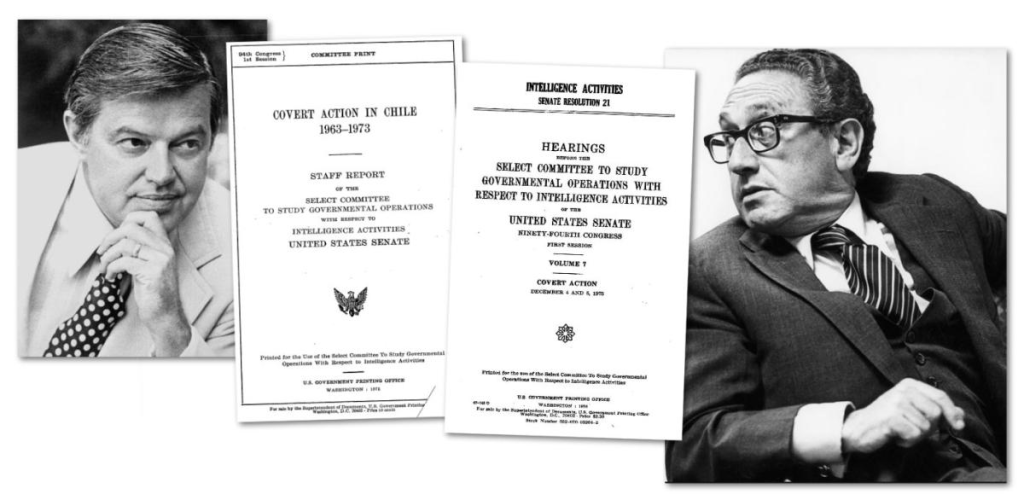


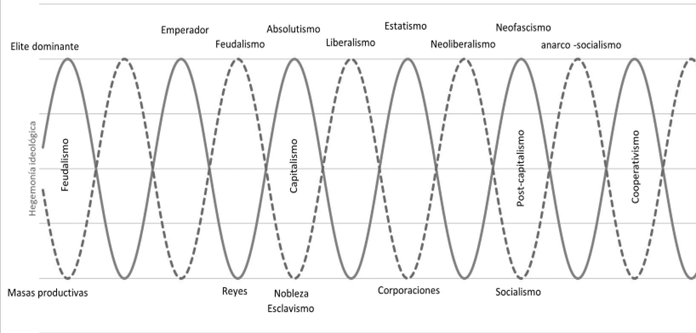









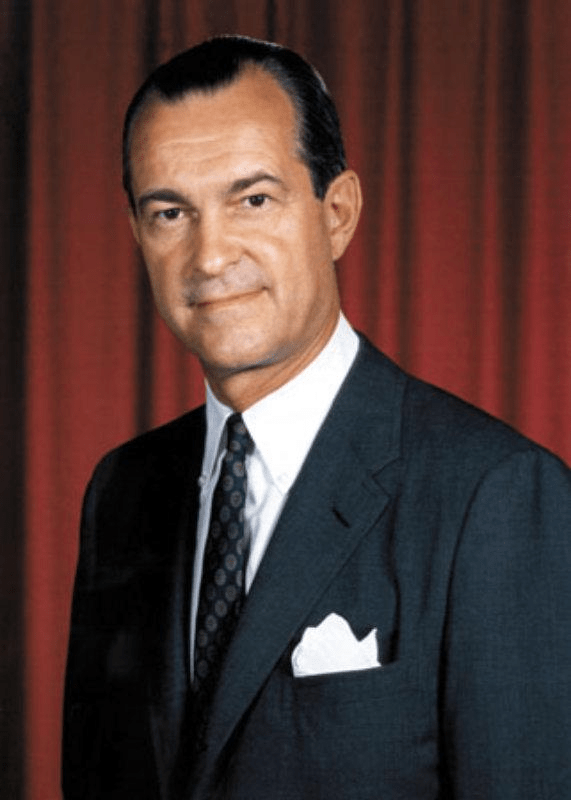
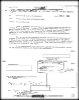
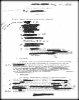
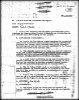
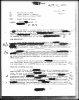
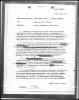

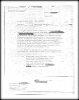


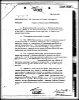
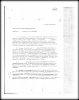
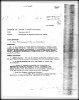
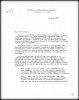
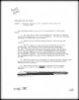


 Escritos Críticos

Debe estar conectado para enviar un comentario.